
Flowers
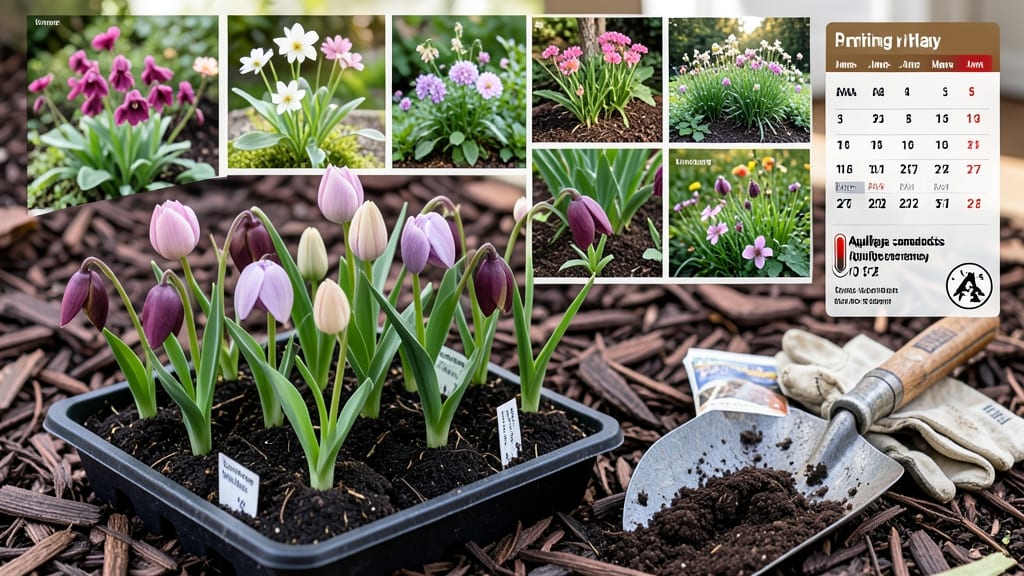
Planting flowers in Ontario at the right time means the difference between a garden bursting with color and one that never gets off the ground.
Timing your flower planting in Ontario can make the difference between a vibrant garden and a frost-killed disappointment—so knowing your USDA zone and frost dates is non-negotiable.
Whether you're in the 5a chill of Northern Ontario or the milder 6b of Southern regions, getting it wrong means wasted money and missed blooms.
Most Ontario gardeners wait until April or May after the last frost, but some hardy annuals and perennials can go in as early as March if you use row covers. Meanwhile, fall-bloomers like mums and asters need to hit the soil by September to establish roots before winter.
Below, I break down the exact frost dates by zone, which flowers thrive when planted in each month, and how to stretch your season with simple tricks like cold frames or mulch. No more guessing—just a foolproof schedule for Ontario’s 160 frost-free days.
Ontario frost dates by USDA Zone: when to plant flowers safely
Timing your flower planting in Ontario can make the difference between a vibrant garden and a frost-killed disappointment—so knowing your USDA zone and frost dates is non-negotiable. Ontario spans Zones 4b to 6b, with dramatic differences between southern regions like Niagara and northern areas near Sudbury.
The last spring frost typically arrives 2-4 weeks earlier in the south compared to the north, while the first fall frost hits earlier in the north by 3-5 weeks.
Understanding these variations helps you choose the right flowers for your zone.
Hardy perennials like coneflowers and black-eyed Susans thrive in Zone 4b, while heat-sensitive annuals like marigolds and petunias need the longer growing season of Zone 6b. Below, I’ve broken down the critical frost dates and planting windows for each zone, so you can plan your garden with confidence.
| USDA Zone | Last Spring Frost | First Fall Frost | Safe Planting Window (Annuals) | Hardy Perennials to Plant |
|---|---|---|---|---|
| Zone 4b (North: Sudbury, North Bay) | May 15–20 | September 20–25 | May 25–June 15 | Coneflowers, Black-eyed Susans, Daylilies, Tulips |
| Zone 5a (Central: Barrie, Peterborough) | May 1–10 | September 25–October 5 | May 15–June 20 | Peonies, Lavender, Shasta Daisies, Bearded Iris |
| Zone 5b (South-Central: Toronto, Guelph) | April 25–May 5 | October 5–15 | May 10–June 25 | Roses, Hydrangeas, Catmint, Salvia |
| Zone 6a (Southwest: London, Windsor) | April 15–25 | October 15–25 | April 30–June 30 | Dahlias, Cannas, Coreopsis, Zinnias |
| Zone 6b (Niagara, Point Pelee) | April 10–20 | October 25–November 5 | April 25–July 1 | Petunias, Marigolds, Geraniums, Sweet Peas |
🌱 Note: Fall planting for bulbs (like tulips) can begin as early as September 1 in Zone 6b and as late as October 15 in Zone 4b.
For annual flowers, the key is to wait until after the last frost date before planting directly outdoors. In Zone 4b, this means holding off until mid-May, while gardeners in Zone 6b can start as early as late April.
If you’re eager to get a head start, begin seeds indoors 6-8 weeks before your last frost date—this works especially well for heat-loving annuals like zinnias and marigolds.
Perennials are a bit more forgiving. You can plant them as soon as the soil is workable, which is often 2-3 weeks before the last frost date. For example, in Zone 5a, that means early May.
Hardy perennials like coneflowers and black-eyed Susans will bounce back from light frosts, but tender varieties like dahlias should wait until all danger of frost has passed.
Fall planting is another opportunity to add color to your garden.
In Zone 6b, you can plant pansies and calendulas as late as September 15, while in Zone 4b, aim for early September to give them time to establish before winter. Bulbs like tulips and daffodils should be planted in fall, ideally 4-6 weeks before the ground freezes—so late September to early October in most of Ontario.
Don’t forget about microclimates! Even within a zone, frost dates can vary. A south-facing slope or a spot near a building might warm up faster, allowing you to plant 1-2 weeks earlier than the average frost date.
Conversely, low-lying areas or shaded spots may experience frost 1-2 weeks later. Pay attention to these nuances in your own garden to fine-tune your planting schedule.
If you’re unsure about your exact frost dates, use the Environment Canada frost forecast or local gardening groups for real-time updates. And remember: hardy flowers like Russian sage
Best flowers to plant by Ontario month: a month-by-month guide
Ontario’s short but intense growing season demands precision when planting flowers. While most gardeners wait for May’s last frost, some hardy varieties can go in as early as March, and fall bloomers need September attention.
The key? Matching your flowers to the monthly temperature shifts between Southern Ontario’s Zone 6b and Northern Ontario’s Zone 5a.
In this guide, I’ll walk you through the best flowers for each month, including regional adjustments. Whether you’re in Toronto’s Zone 6a or Sudbury’s Zone 4b, these timing tips will ensure your garden thrives—not just survives—Ontario’s unpredictable climate.
🌱 Ontario Flower Planting Calendar
- March: Plant hardy perennials (e.g., peony, iris) under row covers in Zone 5-6. Start annuals indoors (e.g., petunias, geraniums).
- April: After last frost (mid-April in South, late May in North), plant cool-season annuals (e.g., pansies, snapdragons) and bulbs (e.g., tulips, daffodils).
- May: Transition to heat-loving annuals (e.g., zinnias, marigolds) and warm-season veggie flowers (e.g., nasturtiums).
- June: Direct-sow self-seeding annuals (e.g., cosmos, sunflowers) and transplant perennials (e.g., coneflowers, black-eyed Susans).
- September: Plant fall-blooming perennials (e.g., asters, mums) and cool-season veggie flowers (e.g., calendula) for late-season color.
For Northern Ontario (Zones 4b-5a), delay April/May plantings by 2-3 weeks to avoid late frosts. Use black plastic mulch to warm soil faster for heat-sensitive annuals like begonias or impatiens.
In Southern Ontario (Zones 6a-6b), you can push the envelope: plant tender annuals (e.g., geraniums) in early April with frost cloth. For September plantings, aim for 6-8 weeks before first frost (mid-October) to ensure roots establish.
Pro tip: Group flowers by heat tolerance. Cool-season bloomers (e.g., snapdragons) thrive in April-May, while heat-lovers (e.g., zinnias) need June-July planting. Mixing them too early risks bolting or poor blooming.
🌿 Start with March’s hardy perennials to kickstart your season, then follow the monthly guide to keep your Ontario garden bursting with color from spring to fall.