
Flowers
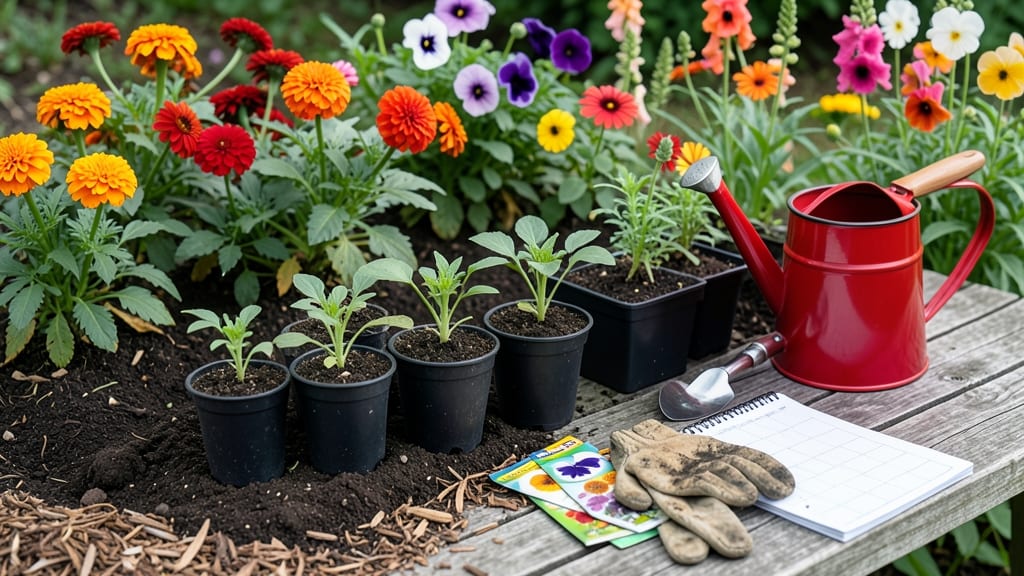
Should flowers be planted in spring or fall, and how does your USDA zone change the timing?
Timing is everything in gardening—plant your flowers too early, and they’ll wilt in unexpected frost; too late, and you’ll miss the full bloom season. The key lies in your USDA zone, seasonal shifts, and flower types, all of which determine the perfect planting window for vibrant, long-lasting blooms.
For example, in Zone 6a, spring planting kicks off 4-6 weeks before the last frost—typically March or early April—while fall planting gives you a second chance 6-8 weeks before the first frost, around September.
Annuals like petunias thrive with this timing, but perennials like coneflowers have different rules.
Below, I’ll break down the exact months for your zone, how to adjust for early vs. late bloomers, and the 5 mistakes that ruin planting schedules—so you can enjoy peak blooms all season long.
USDA Zone planting timeline for annual vs. perennial flowers
Understanding your USDA zone is the first step to planting flowers at the perfect time. Annual flowers like petunias and marigolds thrive in warm seasons, while perennial flowers like coneflowers and black-eyed Susans return year after year with proper timing.
Each zone—from the cold Zone 3 to the warm Zone 11—has unique frost dates that dictate when to plant for the best blooms.
For annual flowers, timing is critical because they complete their life cycle in one season.
Planting too early risks frost damage, while planting too late may delay blooms. Perennials, on the other hand, establish roots over time, so they can tolerate a wider planting window but still benefit from proper seasonal cues.
Let’s break down the ideal planting months for both types across USDA zones. This comparison will help you align your garden with nature’s rhythm for longer blooms and healthier plants.
🌱
In Zones 3-5, where frosts are common into May, I always plant annuals like zinnias after the last frost date to avoid cold snaps. For perennials like bee balm, I opt for early spring planting to give roots time to establish before summer heat.
If you’re in Zones 6-7, like many gardeners in the Midwest, you’ll have a broader window. I start annual seeds indoors in late winter for an earlier bloom, while perennials like daylilies thrive when planted in early spring or late summer.
For Zones 8-9, where winters are mild, I take advantage of fall planting for both annuals and perennials. Marigolds and pansies can handle cooler temps, while perennials like salvia benefit from established roots before winter rains.
In Zones 10-11, the key is avoiding summer’s intense heat. I plant annuals like sunflowers in fall for spring blooms or in early spring to beat the heat. Perennials like bougainvillea love the mild winters and can be planted year-round with consistent moisture.
Pro tip: Always check your last frost date and plan accordingly. For annuals, aim for 4-6 weeks before frost to ensure strong root growth. For perennials, give them 6-8 weeks to settle in before winter.
🌿
Remember, soil temperature matters just as much as air temperature. Use a soil thermometer to ensure your annual seeds are planted in soil that’s at least 60°F for most varieties. For perennials, cooler soil in early spring helps prevent root rot.
Finally, don’t forget to mulch around perennials after planting to protect roots and retain moisture. This simple step can make all the difference in Zone 4 winters or Zone 10 heat waves.
How to adjust planting time for early vs. late bloomers
Not all flowers bloom at the same time, and their planting windows vary dramatically. Early bloomers like tulips and daffodils need a head start in fall, while late-season snapdragons thrive with summer planting.
Understanding these differences lets you create a continuous color show from spring through frost. The secret? Adjusting for daylight hours and seasonal triggers—not just calendar dates.
For spring-blooming bulbs, the rule is simple: plant them 6-8 weeks before your first frost. This gives roots time to establish before winter dormancy. In USDA Zone 6a, that means late September to early October.
But late-summer bloomers like marigolds? They prefer late spring or early summer planting when soil temperatures hit 60°F+—waiting too long risks stunted growth before frost.
When Should Flowers Be Planted?
- Fall Planting (Oct-Nov): Tulips, daffodils, crocuses—plant 6-8 weeks before first frost for spring blooms.
- Early Spring (March-April): Pansies, sweet peas—sow 4-6 weeks before last frost for early color.
- Late Spring (May-June): Marigolds, zinnias, cosmos—wait until soil temps reach 60°F+ for best germination.
- Summer Succession (June-Aug): Snapdragons, sunflowers—plant every 2-3 weeks for staggered blooms.
- Daylight Adjustments: Short-day plants (e.g., chrysanthemums) need 12+ hours darkness to bloom—plant in late summer.
Succession planting is your secret weapon for nonstop blooms. Instead of planting all your marigolds at once, stagger them every 2-3 weeks from May through July. This ensures fresh flowers as old ones fade.
For long-day plants like snapdragons, which need 14+ hours of light, start seeds indoors 8-10 weeks before your last frost—they’ll bloom faster once outdoors.
Don’t overlook microclimates—a south-facing wall or raised bed can extend your growing season by 2-4 weeks. In cooler zones, use row covers to protect early plantings, while in hot climates, shade cloth prevents bolting in heat-sensitive varieties like snapdragons.
Always check seed packets for days to maturity—it’s your best guide for timing.
Pro tip: Test your soil temperature with a thermometer before planting heat-loving flowers. If it’s below 55°F, wait—marigolds and zinnias won’t germinate well in cold soil. For bulbs like tulips, chilling them in the fridge for 6-8 weeks mimics winter and triggers earlier blooms.
Small adjustments like these make all the difference in your garden’s timing.
With these strategies, you’ll turn your garden into a year-round spectacle, from daffodils in April to chrysanthemums in October. The key? Pay attention to flower types, daylight needs, and soil warmth—not just the calendar. Your garden will thank you with longer, brighter blooms all season. 🌷