
Flowers
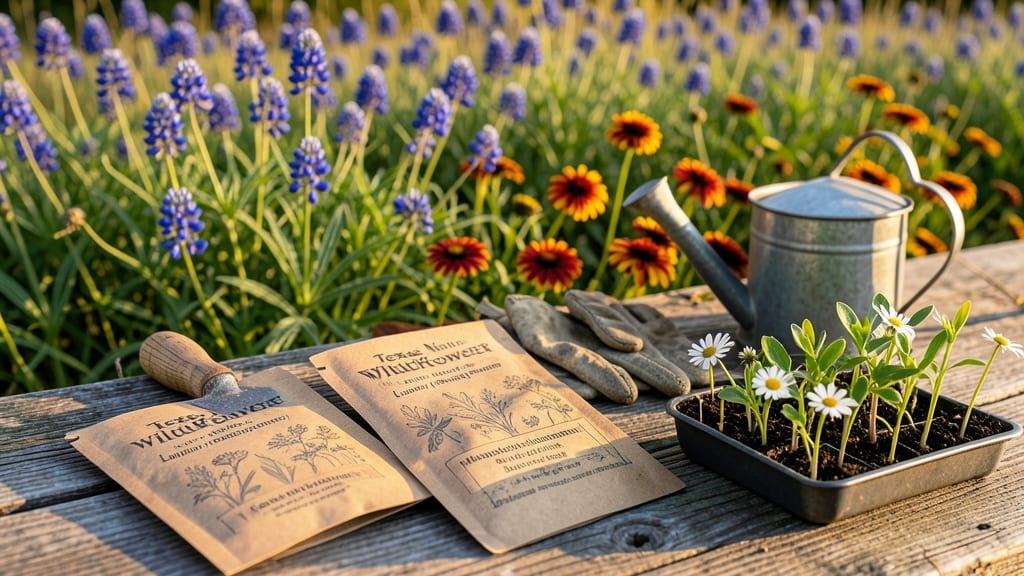
Planting flower seeds in Texas means timing them right—too early, frost zaps them; too late, and your blooms may never arrive.
Texas gardeners know the drill: the frost-free window between USDA Zones 8A-9B is your golden ticket to vibrant gardens. Miss it, and you’re left with wilting seedlings or heat-stressed plants that never reach their full potential.
This guide breaks down the exact months to start your 🌱 flower seeds by region, from North Texas’s cooler springs to the Gulf Coast’s early starts. We’ll also cover heat-resistant picks and soil tricks to keep young plants thriving.
By the end, you’ll know not just when to plant but how to set your seeds up for a season of nonstop color—no guesswork, just blooms.
Texas flower seed planting calendar: month-by-month frost-free guidelines
Texas gardeners know timing is everything—plant flower seeds too early, and frost will wipe them out; too late, and your blooms may miss peak season. The frost-free window in USDA Zones 8A-9B spans roughly March through November, but exact timing depends on your location.
North Texas (Zone 8A) has earlier frost risks than South Texas (Zone 9B), where winters are milder. Understanding these variations ensures your annuals, perennials, and seasonal flowers thrive.
For heat-tolerant varieties like zinnias, sunflowers, and Mexican sunflower (Tithonia rotundifolia), the window opens wide—plant as early as late February in Zone 9B or wait until mid-March in Zone 8A.
Meanwhile, cold-sensitive flowers such as pansies, snapdragons, and sweet alyssum should wait until after the last frost date, typically mid-March to early April, depending on your microclimate. Native Texas flowers like Mexican feather grass or blackfoot daisy offer built-in resilience to our hot summers and occasional freezes.
Here’s your month-by-month planting guide for Texas flower seeds, tailored to Zones 8A-9B. This calendar balances early sowings for cool-season flowers with late-season heat lovers to keep your garden blooming year-round.
For Zone 8A gardeners, pay close attention to last frost dates, which can range from mid-March to early April. Use row covers or a cold frame to extend the season for delicate seedlings like snapdragons or sweet peas.
In Zone 9B, where winters are milder, you can push the envelope—plant cool-season flowers like pansies as early as October for winter blooms.
Pro tip: Soil temperature matters more than air temperature. Use a soil thermometer to confirm it’s 60°F+ for heat-loving seeds like zinnias or <
How to extend your Texas flower season with succession planting
Succession planting is my secret weapon for nonstop color in Texas gardens. Instead of one big bloom and then a lull, I stagger plantings every 2-3 weeks to keep flowers appearing from spring through fall.
This works especially well in our USDA Zones 8A-9B, where heat and humidity can shorten traditional bloom cycles.
Start by dividing flowers into two groups: cool-season lovers like calendula and sweet alyssum, and heat-tolerant varieties such as zinnias and sunflowers. Each group has its own ideal planting window that I time carefully to avoid overlapping blooms.
- 🌱 Early Spring (Feb-Mar): Plant cool-season flowers like snapdragons and pansies for early blooms before heat sets in.
- 🌿 Late Spring (Apr-May): Transition to heat-loving annuals such as marigolds and cosmos as soil warms.
- ☀️ Summer (Jun-Jul): Sow fast-growing zinnias every 3 weeks for continuous blooms until frost.
- 🌻 Late Summer (Aug-Sept): Plant fall-blooming varieties like sunflowers and calendula for extended color.
- ✂️ Year-Round Tip: Always deadhead spent blooms to encourage new flowers and extend each planting's lifespan.
Before planting, I always prep the soil with 2-3 inches of compost to improve drainage and fertility. Texas soil can be heavy clay in some areas, so adding organic matter helps roots establish faster.
For heat-loving flowers, I also mulch with straw or pine needles to retain moisture during our scorching summers.
Spacing is another critical factor. Zinnias and sunflowers need 12-18 inches between plants to avoid crowding, while calendula and sweet alyssum can be planted 6-10 inches apart. Proper spacing prevents disease and ensures each plant gets enough sunlight and air circulation.
My final tip? Keep a planting journal to track what works best in your specific microclimate. Note which varieties thrive in your shade patterns or soil types, and adjust your succession schedule accordingly. With this method, I've had continuous blooms for 6+ months in my Texas garden!
Don't forget to water deeply after planting and maintain consistent moisture until seedlings establish. Morning watering prevents fungal issues, and a drip irrigation system saves time during our hot summers. 🌱