
Flowers
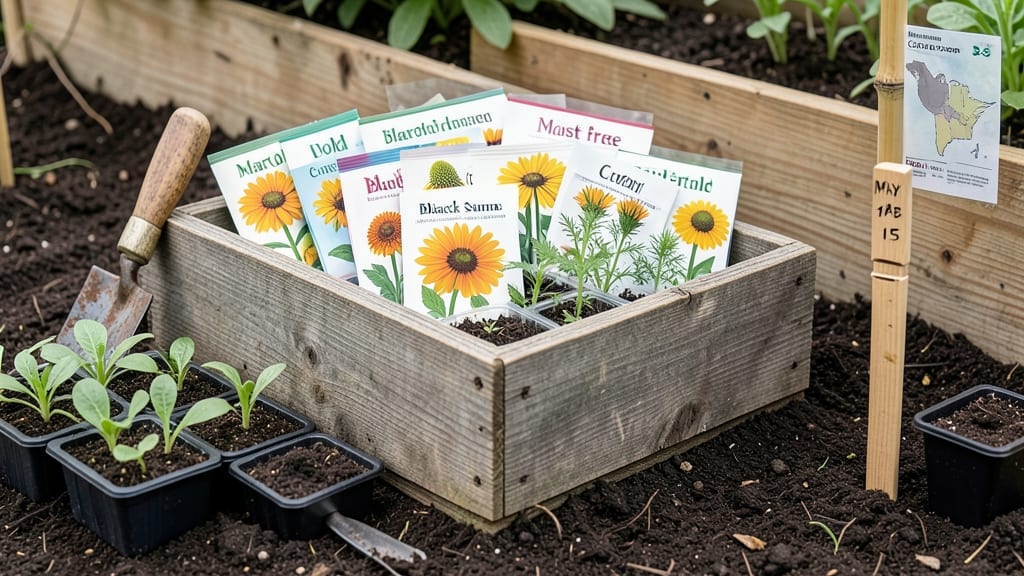
To plant flower seeds in Minnesota, time your sowing between mid-April and early June for spring blooms or late July for fall varieties—just before the last frost hits.
Minnesota’s short growing season can make timing the perfect moment to plant flower seeds the difference between a vibrant garden and a lost opportunity—but with the right cold-hardy varieties, you can beat the frost and enjoy blooms all summer.
Most gardeners start indoors 6–8 weeks before the last frost (usually mid-May), giving seedlings a head start. Direct sowing after the soil warms to 50°F ensures strong roots before summer heat arrives.
Below, I break down the best planting windows by USDA zones 3a–5b, frost-resistant flower picks, and how to stretch your bloom season from spring through fall.
Minnesota flower seed planting calendar: month-by-month guide for cold-hardy varieties
Timing your flower seed planting in Minnesota is all about working with the state’s unpredictable frost dates and short growing season. With USDA zones 3-5, you’ll need cold-hardy varieties that can handle late frosts while still delivering vibrant blooms.
The key is starting early—some seeds can even be sown in March under protection, while others wait until May or even July for fall blooms.
Minnesota’s last frost typically arrives between late April and early June, depending on your region. Northern areas (Zone 3) may face frost until mid-June, while southern areas (Zone 5) can plant outdoors as early as mid-April.
Always check your local frost-free date—the University of Minnesota Extension provides updated forecasts. For extra safety, use row covers or a cold frame to extend your planting window.
Soil temperature is another critical factor. Most flower seeds need soil that’s at least 50°F (10°C) to germinate. In Minnesota, this usually means waiting until late April or early May for direct sowing. However, you can start many varieties indoors in March under grow lights to get a head start.
Hardier flowers like pansies and calendula can even handle light frosts, making them ideal for early outdoor sowing.
| Month | Task | Ideal Varieties | Soil Temp | Notes |
|---|---|---|---|---|
| March | Start indoors | Pansies, Snapdragons, Sweet Alyssum | 60–70°F (15–21°C) | Use grow lights; transplant after last frost |
| April | Direct sow hardy seeds | Calendula, Bachelor’s Buttons, Sweet Peas | 45–55°F (7–13°C) | Cover with row fabric for frost protection |
| May | Transplant seedlings | Marigolds, Zinnias, Cosmos | 50–60°F (10–15°C) | Harden off seedlings first; avoid wet soil |
| June | Direct sow heat-lovers | Sunflowers, Nasturtiums, Celosia | 60°F+ (15°C+) | Wait until soil warms; mulch to retain moisture |
| July | Fall bloomers | Cosmos, Black-Eyed Susans, Aster | 55–65°F (13–18°C) | Sow 8–10 weeks before first frost |
In March, focus on starting seeds indoors under grow lights. Cold-hardy varieties like pansies and snapdragons can handle cooler temperatures and will give you early blooms. If you’re in a warmer microclimate (like near a south-facing wall), you might even direct sow calendula or sweet alyssum in late March.
Just be prepared to protect them with frost cloth if temperatures dip below 32°F (0°C).
By April, most of Minnesota’s southern regions can start direct sowing outdoors. Choose varieties like bachelor’s buttons and sweet peas, which tolerate light frosts.
In northern areas, wait until mid-to-late April and use row covers to create a warmer microclimate. Always test your soil temperature with a soil thermometer—se
Best cold-hardy flower seeds for Minnesota’s early planting: 5 top picks for frost resistance
Minnesota’s unpredictable spring weather can make early planting a gamble—but with the right cold-hardy flower seeds, you can start sowing as early as March and still enjoy vibrant blooms. These frost-tolerant varieties thrive in USDA Zones 3-5, making them perfect for Minnesota’s chilly starts.
The key is choosing fast-growing annuals that can handle light frosts and direct sowing as soon as soil is workable (around 40°F).
For maximum success, I recommend focusing on five standout varieties that balance hardiness with quick germination. These picks—sweet alyssum, snapdragons, pansies, calendula, and bachelor’s buttons—not only survive Minnesota’s late frosts but also extend your bloom season.
The secret? Planting them at the right time and using row covers for extra protection during temperature swings. Let’s dive into my top five frost-resistant flowers and how to make them thrive in your garden.
🌱 5 Cold-Hardy Flowers for Minnesota’s Early Planting
- 1. Sweet Alyssum – Plant in March-April (tolerates 28°F frosts); fast-growing, honeybee magnet, blooms in 4-6 weeks. Ideal for edging beds or container gardens.
- 2. Snapdragons – Direct sow in April (hardy to 25°F); bicolor varieties like 'Tango' resist heat better. Stake tall varieties to prevent wind damage.
- 3. Pansies – Start indoors in March or sow outdoor in April; thrives in partial shade, blooms until fall frosts. Pinch back for bushier growth.
- 4. Calendula – Sow directly in April (tolerates 30°F); edible petals, disease-resistant, and attracts beneficial insects. Deadhead for continuous blooms.
- 5. Bachelor’s Buttons (Cornflowers) – Direct sow in April-May; self-seeds readily, drought-tolerant once established. Perfect for cut flower arrangements.
💡 Pro Tip: Mix sweet alyssum and calendula in containers for a low-maintenance, frost-resistant combo that blooms all season.
When planting these cold-hardy flowers, timing is everything. For sweet alyssum and calendula, I start seeds indoors in late February under grow lights to get a head start.
Once soil temperatures rise to 40°F (usually by mid-April), I transplant seedlings outdoors or sow directly. Snapdragons and bachelor’s buttons can handle direct sowing as soon as the ground thaws, while pansies do best when started indoors in March.
To extend your bloom season, use row covers for the first two weeks after planting to protect seedlings from late frosts (which can still occur in May). For pansies and sweet alyssum, this extra protection ensures they establish roots before summer heat arrives.
Once plants are 4-6 inches tall, remove covers during the day to harden them off. Deadheading spent blooms on calendula and snapdragons encourages reblooming well into fall.
Minnesota’s short growing season doesn’t have to limit your flower garden. By choosing these five frost-resistant varieties and planting them at the optimal times, you’ll enjoy colorful blooms from May through October. My personal favorite is calendula—it’s tough, beautiful, and even repels pests like aphids.
For best results, keep soil moist but well-draining and fertilize lightly with a balanced 10-10-10 formula every 4-6 weeks.
Don’t wait for perfect weather—start sowing these cold-hardy seeds as early as March! With the right varieties and a little extra care, your Minnesota garden can burst into color earlier and longer than you’d expect. Happy planting! 🌷