
Plants
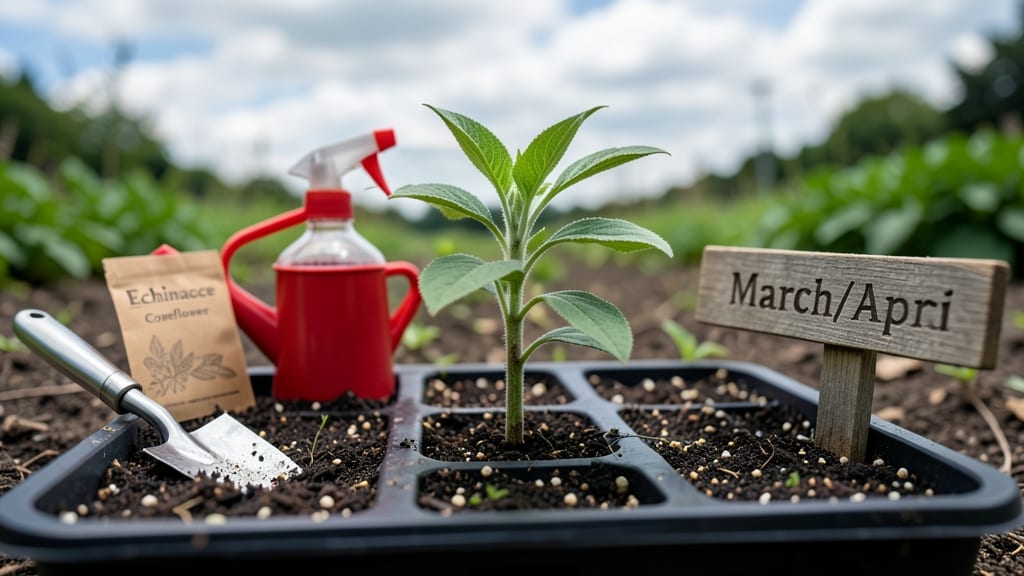
Planting coneflower seeds at the right time means the difference between a garden full of vibrant blooms and a patch of brown sticks 🌼.
Timing is everything when growing coneflowers—plant too early, and frost will kill your seedlings; too late, and you’ll miss the vibrant blooms that attract pollinators all summer.
In USDA Zone 6a, like where I garden, the best window is early spring after the last frost date (around April 15) or late summer for a second flush of flowers. But if you live in a warmer zone, your schedule shifts earlier.
Below, I break down the exact months to plant by zone, how to prep your soil, and the simple care tricks that ensure those iconic purple cones show up year after year.
Best planting months for coneflower seeds by USDA hardiness zone
Coneflowers (Echinacea) thrive with proper timing, and your USDA hardiness zone determines the best window to plant seeds. Cold climates like Zone 3-5 can start seeds indoors in late winter, while warmer zones like Zone 8-10 benefit from early spring sowing.
Understanding your zone’s last frost date and soil temperature ensures strong germination and vibrant blooms.
For Zones 3-5, late winter (February-March) is ideal for indoor sowing, while outdoor planting should wait until after the last frost (typically May). In Zones 6-7, you can plant directly outdoors in March-April, but avoid late summer planting to prevent winter kill.
Warmer zones (8-10) allow fall sowing (August-September) for early spring blooms.
Soil temperature is critical—coneflower seeds need at least 60°F for germination. Use a soil thermometer to confirm readiness. In colder zones, stratification (mimicking winter) for 4-6 weeks before planting boosts success rates. Always choose a sunny, well-drained location to prevent rot and ensure healthy growth.
Here’s a clear comparison of planting windows by zone to help you plan:
| USDA Zone | Best Planting Window | Soil Temp Requirement | Frost Risk | Notes |
|---|---|---|---|---|
| Zones 3-5 | Indoors: Feb-Mar Outdoors: May-June |
60°F+ | High frost risk | Stratify seeds 4-6 weeks before planting |
| Zones 6-7 | Outdoors: March-April Fall: Aug-Sept |
55°F+ | Moderate frost risk | Avoid late summer planting in Zone 7 |
| Zones 8-9 | Outdoors: Jan-Feb Fall: Sept-Oct |
50°F+ | Low frost risk | Fall planting yields early spring blooms |
| Zone 10 | Outdoors: Year-round | 45°F+ | No frost risk | Plant in fall for winter blooms |
In Zones 3-5, don’t rush outdoor planting—wait until soil temperatures consistently stay above 60°F to avoid seed rot. Use row covers if frost threatens after planting. For Zones 6-7, late summer sowing is risky; opt for spring planting instead.
In Zones 8-10, fall planting (August-September) gives coneflowers a head start for spring blooms.
Always plant seeds ¼ inch deep in loose, well-draining soil. After sowing, keep the soil moist but not soggy until germination (7-14 days). Thin seedlings to 12-18 inches apart to prevent competition. Mulch around plants to retain moisture and suppress weeds, especially in dry climates like Zones 8-10.
Coneflowers are drought-tolerant once established, but young seedlings need consistent moisture. In Zones 3-5, water deeply 2-3 times per week until plants reach 6 inches tall.
Reduce watering in Zones 8-10 after the first month to encourage deep root growth. Avoid overhead watering to prevent fungal diseases like powdery mildew.
For extended blooming, try staggered planting: sow half your seeds in spring and the other half in late summer (Zones 6-10). This ensures continuous pollinator-friendly blooms from early summer to fall. Always choose native coneflower varieties for your region to boost local ecosystems.
Monitor your garden for pests like aphids or diseases like rust, which thrive in crowded or wet conditions. Prune spent blooms to encourage reblooming and divide mature plants every 3-4 years to maintain vigor.
With the right timing and care, your coneflowers will reward you with years of vibrant color and pollinator support. 🌼
How to time coneflower seed planting for year-round blooms
Staggered planting is the secret to enjoying coneflower blooms from early summer through fall. By planting seeds in both spring and fall, you create a continuous display of purple, pink, or white flowers that pollinators adore.
The key lies in understanding seed stratification and transplant timing to avoid common pitfalls like frost damage or overcrowding.
Coneflowers thrive when planted at the right time, but their hardiness varies by zone. In colder regions (Zones 3-5), I recommend starting seeds indoors in early spring (February-March) and transplanting after the last frost.
Warmer zones (6-10) can direct-sow seeds in late summer or early fall for fall blooms and next year’s growth.
- 🌱 Spring Planting: Start seeds indoors 6-8 weeks before last frost (Zone 3-5: Feb-Mar; Zone 6-10: Mar-Apr). Transplant after soil warms to 55°F+.
- 🌿 Fall Planting: Sow seeds directly in soil 6-8 weeks before first frost (Zone 3-5: Aug-Sept; Zone 6-10: Sept-Oct). Seeds need cold stratification to germinate.
- ✂️ Stratification Tip: Mix seeds with moist sand and refrigerate for 2-4 weeks before planting to mimic winter conditions.
- 🌡️ Soil Temp Check: Use a soil thermometer—ideal germination occurs at 60-70°F. Wait until soil reaches this temp before planting.
- 🌼 Spacing Rule: Plant seeds 1/4 inch deep and 12 inches apart to prevent overcrowding. Thin seedlings to 18 inches apart at maturity.
For year-round blooms, I plant half my seeds in early spring and the other half in late summer. The spring batch blooms in mid-summer, while the fall-planted seeds produce flowers the following year.
This two-phase approach ensures your garden never goes without those cheerful coneflower faces.
One common mistake is planting seeds too early in cold soil, which causes rot. Always wait until the soil is warmer than 50°F before sowing outdoors. In Zone 4 or colder, I cover seeds with row fabric until soil warms to protect tender seedlings from late frosts.
After planting, keep the soil consistently moist but not soggy. Coneflower seeds germinate best in well-draining soil with a pH of 6.0-7.0. Mulch around seedlings to retain moisture and suppress weeds, which helps young plants establish strong roots before summer heat arrives.
With these strategies, your coneflowers will bloom from June through October, providing nectar for bees, butterflies, and hummingbirds all season long. The secret? Timing, patience, and a little stratification magic—your garden will thank you for it! 🌼