
Planting
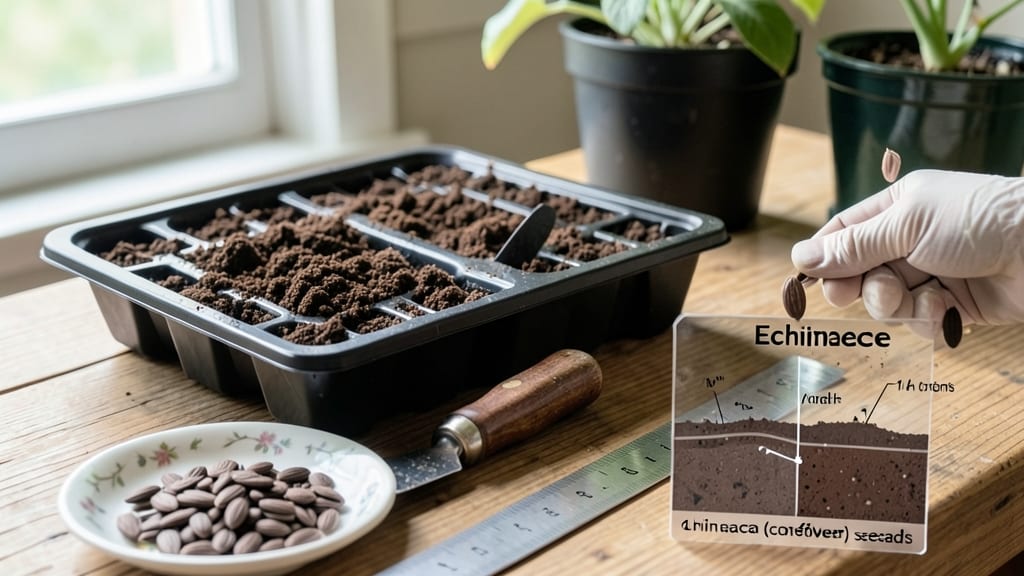
Planting coneflower seeds at just 1/4-inch deep unlocks their full potential, ensuring strong roots and vibrant blooms 🌼—the secret to skipping the guesswork and getting reliable germination.
If you've ever watched your coneflower seeds sit stubbornly in the soil, refusing to sprout, you're not alone. Too deep, and they rot; too shallow, and they dry out. The 1/4-inch rule strikes the perfect balance, backed by how these seeds naturally break dormancy in their native prairie habitats.
This isn't just about depth—it's about creating the ideal microclimate. Well-drained soil, consistent moisture, and full sun all work together when you plant at this precise level.
In USDA Zone 6a, timing matters too: aim for spring planting between April and June, when the soil warms enough to support germination without drying out.
Below, I’ll walk you through the exact steps—from soil prep to spacing—to give your coneflower seeds the best shot at thriving. You’ll also discover how to adjust for heavy clay or sandy soil, plus the three biggest mistakes that kill germination before it starts.
Why the 1/4-Inch planting depth rule works for coneflower seeds
When you’re planting coneflower seeds, the 1/4-inch depth rule isn’t just a guess—it’s rooted in science. These tiny seeds need just enough soil coverage to stay moist while still having access to light for germination.
Planting too deep can suffocate them, while planting too shallow risks drying them out before they sprout.
The 1/4-inch rule balances these needs perfectly. It keeps seeds hydrated without trapping excess moisture that could cause rot. For Echinacea varieties, this depth also ensures the delicate radicle (the first root) can push through the soil without resistance, setting the stage for strong root development.
Let’s break down why this works—and what happens when you stray from the rule. Understanding these factors will help you avoid common mistakes that lead to poor germination rates or weak seedlings.
| Factor | 1/4-Inch Depth Benefit | Risk of Too Deep | Risk of Too Shallow |
|---|---|---|---|
| Moisture Retention | Keeps seeds hydrated without drowning | Excess moisture causes rot | Dries out too quickly |
| Light Access | Allows light for photosynthesis | Blocks light, stunts growth | Exposes seeds to harsh sun |
| Root Development | Encourages strong radicle growth | Weak, struggling roots | Shallow, unstable roots |
| Soil Texture Adaptability | Works in loam, clay, or sandy soil | Clay soils trap too much moisture | Sandy soils dry out fast |
Coneflower seeds are tiny but mighty, and their size plays a crucial role in determining the ideal planting depth. Most Echinacea seeds measure just 1/8 to 1/16 inch in diameter.
At this scale, a 1/4-inch cover provides the perfect balance—enough soil to anchor them while leaving room for their first leaves to break through.
In sandy soils, you might need to adjust slightly deeper (3/8 inch) to retain moisture longer, while clay soils may require a shallower depth (1/8 inch) to prevent waterlogging.
Always loosen the soil first to create an even planting bed, ensuring seeds have consistent contact with moisture.
Another key factor is seedling emergence. Coneflower seeds need light to trigger germination, so burying them too deep can delay or prevent sprouting entirely. The 1/4-inch rule ensures they stay just below the surface while still receiving the light they crave for photosynthesis.
If you’ve ever planted coneflower seeds and struggled with low germination rates, chances are you either buried them too deep or left them exposed. The 1/4-inch guideline eliminates these guesswork factors by providing a science-backed standard tailored to the seed’s natural needs.
For best results, use a seed spacing tool or your finger to mark the depth consistently. A light press of your fingertip (about 1/4-inch) works perfectly for most gardeners. This method ensures uniformity across your planting area, reducing variability in germination success.
Once planted, keep the soil consistently moist (not soggy) until seeds germinate, which typically takes 14–21 days. Mulching lightly with straw can help maintain moisture without smothering the seeds.
Understanding why the 1/4-inch rule works will transform your coneflower planting success. Whether you’re a beginner or a seasoned gardener, this simple adjustment can mean the difference between a patch of bare soil and a vibrant garden full of purple and pink blooms.
Step-by-step guide: planting coneflower seeds at the perfect depth
Planting coneflower seeds at the right depth is the secret to strong germination and healthy plants. Too shallow, and they’ll dry out; too deep, and they’ll suffocate. The 1/4-inch rule is your golden ticket for success—this depth balances moisture retention with oxygen flow, giving tiny roots the perfect start.
I’ve learned from trial and error that even a 1/8-inch difference can mean the difference between thriving seedlings and wasted effort.
Before you even think about depth, focus on soil preparation. Coneflowers thrive in well-draining soil with a pH between 6.0 and 7.0. Work in compost or aged manure to loosen the soil and improve fertility.
If your soil is heavy clay, mix in sand or perlite to prevent compaction, which can smother seeds. A gentle rake will create a fine, crumbly texture—ideal for seed-to-soil contact.
🌱 Step-by-Step Planting Guide for Coneflower Seeds
- 📏 Measure depth: Use a ruler or your finger (a standard fingernail is roughly 1/4-inch) to mark planting lines in your soil.
- 🌿 Space seeds: Place seeds 6-12 inches apart in rows 18-24 inches apart to allow room for mature plants.
- 🌱 Cover lightly: Sprinkle a thin layer of soil (no more than 1/4-inch) over seeds. Avoid pressing down—gentle contact is key.
- 💧 Mist, don’t drown: Use a spray bottle or fine mist setting on your hose to water seeds. Keep soil consistently moist but never soggy.
- ☀️ Choose sunlight: Plant in a spot with full sun (6+ hours daily). Coneflowers hate competition—remove weeds before planting.
- 🌡️ Time it right: Sow seeds after the last frost date (typically April-May in most zones). Early summer planting works too.
One of the biggest mistakes I see is over-compacting soil after planting. Pressing down too hard can create an airless layer that suffocates seeds. Instead, use the back of a fork or your hands to gently pat the soil—just enough to ensure seeds stay in place.
Another common error is uneven depth, which can lead to patchy germination. Use a level tool or straightedge to create uniform planting lines if needed.
After planting, place a lightweight mulch layer (like straw or shredded leaves) over the soil to retain moisture and regulate temperature. This is especially helpful in hot, dry climates where soil can dry out quickly.
Water gently every 2-3 days until germination occurs, which typically takes 14-21 days. Avoid letting the soil dry out completely—consistent moisture is critical for those first few weeks.
Once seedlings emerge, thin them to 12-18 inches apart to prevent overcrowding. This might seem harsh, but it ensures each plant gets enough nutrients, sunlight, and airflow.
If you’re planting in raised beds, you can space seeds slightly closer (4-6 inches apart) since raised beds drain faster and support denser planting. Just be prepared to thin more aggressively later.
Remember, patience is key with coneflowers. They’re not fast growers, but once established, they’ll reward you with vibrant blooms for years. Stick to the 1/4-inch rule, keep the soil moist, and give them full sun—and you’ll be enjoying cheerful purple, pink, or white coneflowers by mid-summer.
Happy planting! 🌼