
Diseases
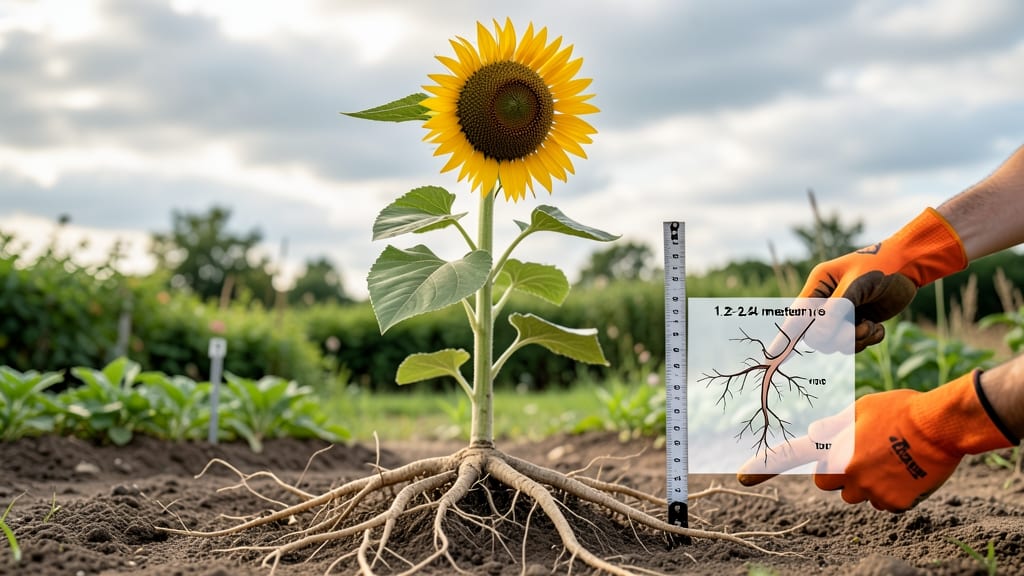
Sunflower roots can grow deeper than 10 feet—far beyond what most gardeners realize—making soil depth and structure the hidden game-changer behind those towering 🌻 blooms.
Did you know sunflowers can develop roots deeper than 10 feet—but most gardeners don’t know how to optimize their growth? Understanding sunflower root depth isn’t just fascinating; it’s the key to healthier plants and bigger blooms.
If you’ve ever planted sunflowers only to watch them struggle or lean despite plenty of sunlight, the answer might lie underground. Root depth determines how well your sunflowers access water and nutrients, especially in Zone 6a where early spring planting can be tricky.
In this guide, I’ll break down how deep sunflower roots typically grow, what affects their length, and 5 practical tips to give your plants the strong foundation they need for taller, healthier growth.
How deep do sunflower roots grow and what determines their length?
Sunflowers are nature’s skyscrapers—towering above most garden plants with their massive stems and vibrant blooms. But what most gardeners overlook is their root system, which can plunge deeper than you’d expect.
On average, sunflower roots reach 3 to 6 feet deep, but some varieties, like the towering Mammoth sunflower, can extend 10+ feet into the soil. This deep-rooted nature helps them access water and nutrients from lower soil layers, making them resilient in dry conditions.
The sunflower’s root system consists of two main types: a primary taproot and lateral roots. The taproot grows straight downward, anchoring the plant and reaching for deep moisture, while lateral roots spread outward to absorb nutrients and stabilize the plant.
Together, they create a robust network that supports the plant’s impressive height. Understanding this structure is key to planting and caring for sunflowers effectively.
| Root Type | Depth Range | Function | Growth Stage |
|---|---|---|---|
| Taproot | 3–10+ feet | Anchors plant, accesses deep water | Germination to maturity |
| Lateral Roots | 1–3 feet wide | Absorbs nutrients, stabilizes plant | 3–6 weeks after germination |
| Secondary Roots | 2–4 feet deep | Supports nutrient uptake | Flowering stage |
The depth of a sunflower’s roots isn’t fixed—it’s influenced by several environmental factors. One of the biggest determinants is soil type. Loamy, well-draining soil allows roots to penetrate deeper, while clay or compacted soil can restrict growth, forcing roots to spread shallowly.
If you’re growing sunflowers in heavy soil, consider amending it with compost or sand to improve aeration and encourage deeper root development.
Another critical factor is water availability. Sunflowers are drought-tolerant once established, but during their early growth stages, consistent moisture is essential. Deep watering—1–2 inches per week—encourages roots to grow downward in search of water.
Shallow watering, on the other hand, can lead to a shallow root system, making plants more susceptible to drought stress. Mulching around the base of the plant helps retain moisture and keeps roots cool, further promoting deeper growth.
Sunlight exposure also plays a role in root development. Sunflowers thrive in full sun (6–8+ hours daily), which boosts their overall growth, including root expansion. Inadequate sunlight can stunt root development, resulting in weaker plants that struggle to support their own weight.
If you’re growing sunflowers in partial shade, expect their roots—and consequently their height—to be less impressive.
Temperature and seasonal changes also affect root depth. Sunflowers germinate best in soil temperatures of 50–60°F (10–15°C), and their roots grow most actively during warm months. In cooler climates, roots may grow more slowly, while in hot, dry conditions, they’ll focus on reaching deeper water sources.
This is why sunflowers are often planted in late spring, after the last frost, when soil temperatures are ideal for root development.
Genetics also play a role in determining root depth. Tall varieties, like Mammoth or Russian Giant, develop deeper roots to support their height, while dwarf varieties, such as Teddy Bear or Sunspot, have shallower root systems.
If you’re growing sunflowers in containers, choose dwarf varieties to avoid root binding, as their roots won’t outgrow the pot as quickly.
One common misconception is that sunflowers don’t need deep soil to thrive. However, planting them in shallow soil layers (less than 12 inches deep) can limit their growth potential.
If your garden soil is shallow, consider planting sunflowers in raised beds or deep containers (at least 18 inches deep) to accommodate their root needs. This is especially important for tall varieties, which may otherwise struggle to establish themselves properly.
To optimize sunflower root depth, focus on soil preparation before planting. Loosen the soil to a depth of 12–18 inches and mix in organic matter like compost or aged manure. This not only improves drainage but also provides essential nutrients for root growth.
Avoid over-fertilizing with nitrogen, as it can lead to lush foliage at the expense of root development. Instead, use a balanced fertilizer (5-10-10) to support overall plant health.
Finally, be mindful of root damage during planting and maintenance. Sunflowers have delicate roots, especially when young, so handle them with care. Avoid disturbing the root zone when weeding or mulching, and water gently to prevent soil erosion around the base.
By understanding and supporting your sunflowers’ root development, you’ll set the stage for healthier plants and stunning blooms. 🌻
5 Factors that affect sunflower root depth and how to optimize them
Sunflower roots can reach 10 feet or deeper—but only if you create the right conditions. The depth and strength of these roots directly impact your plant’s stability, water uptake, and nutrient absorption.
Without proper care, even the hardiest varieties struggle to develop their full potential. The good news? You can optimize root growth with simple, science-backed techniques.
From soil aeration to watering schedules, small adjustments make a big difference. Over-fertilizing or compacted soil, for example, can stunt roots by 30-50%. Meanwhile, strategic companion planting and deep watering can encourage roots to explore deeper soil layers.
Let’s break down the top 5 factors and how to tweak them for healthier sunflowers.
- 1. Soil Aeration: Loosen soil to 6-12 inches deep before planting. Compacted soil restricts roots, limiting depth by up to 50%. Use a broadfork or till deeply in clay-heavy areas.
- 2. Watering Depth: Water deeply 2-3 times per week (1-2 inches per session). Shallow watering encourages shallow roots. Use drip irrigation or soaker hoses for consistent moisture.
- 3. Companion Planting: Pair sunflowers with legumes (beans, peas) or marigolds. These plants improve soil nitrogen and deter pests, reducing stress on roots.
- 4. Mulching: Apply 2-3 inches of organic mulch (straw or wood chips). Mulch retains moisture, regulates soil temperature, and prevents crusting—all critical for deep root penetration.
- 5. Fertilizer Balance: Avoid high-nitrogen fertilizers. Use a low-NPK ratio (5-10-10) sparingly (every 6-8 weeks). Over-fertilizing burns roots and attracts pests.
One of the biggest mistakes I see is over-tilling the soil, which can actually damage roots. Instead, focus on deep but gentle aeration—think of it like fluffing a pillow for your sunflower’s roots.
Another tip: If your soil feels hard as a brick when dry, it’s time to amend it with compost or sand to improve drainage.
For giant varieties like Mammoth, aim for 12+ inches of loose soil to accommodate their deep taproots. Smaller varieties (e.g., Teddy Bear) still benefit from deep soil but won’t need as much.
The key is consistency: maintain moisture and aeration throughout the growing season to encourage roots to grow downward.
Remember, healthy roots = healthy plants. If your sunflowers wilt despite regular watering, it’s often a sign of root stress from compacted soil or poor drainage. Test your soil’s drainage by digging a hole, filling it with water, and timing how long it takes to drain.
If it’s slower than 6 hours, amend the soil immediately.
Start with these 5 optimizations, and you’ll see stronger stems, bigger blooms, and sunflowers that stand tall—even in windy conditions. Happy gardening! 🌱