
Companion Plants
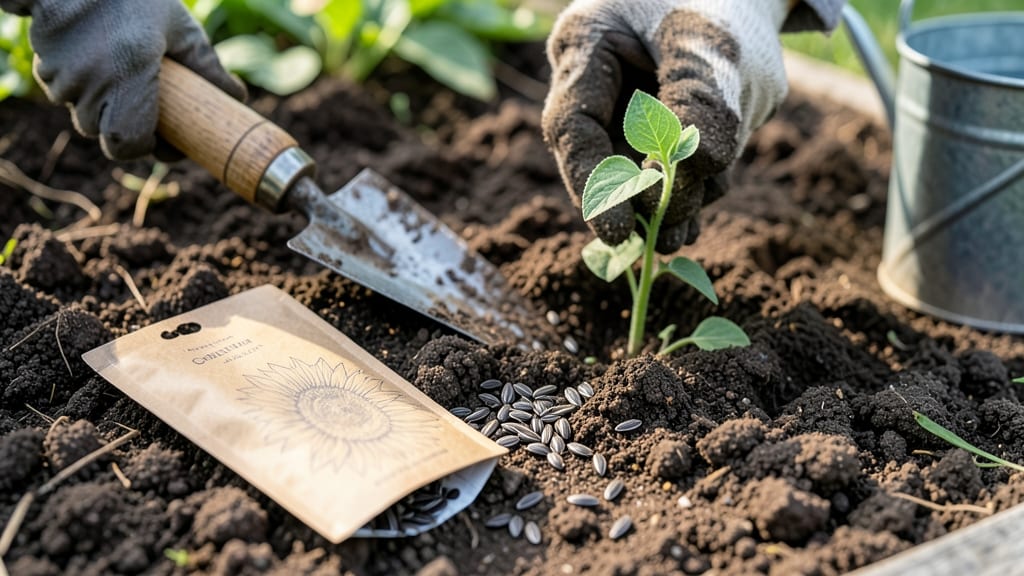
To plant sunflower seeds at the best time for tall, thriving stalks, wait until after your last frost date—typically mid-April to early June in most regions.
Sunflowers aren’t just beautiful—they’re easy to grow, and timing your planting right ensures you’ll get the tallest, most vibrant blooms of the season. But when exactly should you plant those seeds to maximize your sunflower’s potential?
In cooler climates like USDA Zone 6a, frost can still linger into April, so holding off until soil warms to at least 60°F is key. Planting too early risks stunted growth, while waiting too long cuts the growing season short.
Below, I’ll break down the ideal planting windows by climate, soil prep tips, and how to keep your 🌻 sunflowers reaching for the sky all summer long.
When to plant sunflower seeds for maximum growth: frost timing explained
Sunflowers thrive when planted at the right time—specifically, after your last spring frost and before summer heat peaks. The key is waiting until soil temperatures consistently reach 60°F or higher, which signals ideal germination conditions.
Planting too early risks frost damage, while waiting too long can stunt growth before the first fall frost arrives.
Frost is the biggest enemy of young sunflowers. A single frost after germination can kill seedlings, while late-season frosts can damage mature stalks and reduce seed production.
Understanding your USDA hardiness zone and local frost dates is critical—this ensures you plant when your region’s growing season is just right for sunflowers.
In USDA zones 3-7, aim to plant sunflower seeds 2-4 weeks after your last frost date, typically between mid-April and early June. For zones 8-11, you have more flexibility, but avoid planting too close to the first fall frost—sunflowers need 80-120 frost-free days to mature fully.
Soil temperature is just as important as frost timing. Sunflower seeds won’t sprout well in cold soil. Use a soil thermometer to confirm temperatures are stable at 60°F or warmer before planting. If your soil is cooler, wait a few more days—patience now means taller, healthier stalks later.
| Planting Window | USDA Zones | Soil Temp Requirement | Frost Risk | Ideal Planting Month |
|---|---|---|---|---|
| Early Spring (After Last Frost) | 3-7 | ≥60°F | High (seedlings vulnerable) | April-May |
| Late Spring (Peak Growth) | 8-10 | ≥65°F | Low (established plants tolerate light frost) | May-June |
| Early Summer (Extended Season) | 11 | ≥70°F | Minimal (long growing season) | June-July |
| Fall Planting (Risky) | All Zones | ≥60°F | Very High (immature plants before frost) | August-September (only zones 9-11) |
If you’re in a cooler climate (zones 3-6), prioritize planting dwarf or semi-dwarf varieties—they mature faster and can tolerate shorter growing seasons.
For warmer zones (8-11), you can even try a second planting in late summer for fall blooms, but avoid planting closer than 8-10 weeks before your first frost.
Pro tip: Check your local Almanac’s frost calendar or use a frost date calculator to pinpoint the best window. In my USDA zone 6 garden, I plant sunflowers around May 1st to ensure they reach 6 feet tall before the first frost in October.
Sunflowers planted too early may bolt prematurely (shoot up quickly but stay short), while late plantings often produce smaller, weaker stalks. The goal is to give your sunflowers 100-120 frost-free days to grow—this ensures they reach their full 8-18 foot potential and produce vibrant blooms.
For container gardening, plant sunflowers 2-3 weeks earlier than your outdoor schedule—containers warm up faster and can be moved to protect seedlings if frost is forecasted. Just ensure your pots have drainage holes to prevent root rot in warm soil.
Remember, sunflowers are fast growers, but they need consistent warmth. If your spring is unpredictable, consider starting seeds indoors 2-3 weeks before your last frost date and transplanting seedlings after the soil warms up. This gives you a head start and maximizes your growing season.
Timing your sunflower planting right isn’t just about avoiding frost—it’s about giving your plants the perfect conditions to grow tall, strong, and full of sunshine. With the right frost timing, your sunflowers will reward you with stunning blooms and maybe even edible seeds by late summer! 🌻
Sunflower varieties and their ideal planting times for different climates
Not all sunflowers are created equal—whether you're growing giant varieties for show or dwarf types for containers, timing matters. Your climate zone dictates the best window to plant, with short-season areas needing early starts and long-season regions having more flexibility.
Let’s break down the ideal planting times for each type and how your local frost dates impact success.
Sunflowers thrive in warm soil (60°F+), so waiting for the last frost is key. In USDA zones 3-5, start seeds indoors 4-6 weeks before your last frost date, while zones 6-11 can plant directly outdoors after frost.
Oilseed varieties, like Russian Mammoth, need the longest growing season (100+ days), while dwarf varieties like Teddy Bear mature in just 50-60 days.
| Variety Type | Best Planting Time | Climate Zone Fit | Days to Maturity |
|---|---|---|---|
| Giant (e.g., Russian Mammoth) | Early spring (after last frost) | Zones 4-10 (long season) | 90-120 days |
| Dwarf (e.g., Teddy Bear) | Late spring to early summer | Zones 3-11 (short/long season) | 50-60 days |
| Oilseed (e.g., Sunize) | Early spring (soil 60°F+) | Zones 5-9 (moderate season) | 80-100 days |
| Early Season (e.g., Autumn Beauty) | Late spring (June for fall blooms) | Zones 3-8 (cool climates) | 60-80 days |
For short-season climates (zones 3-5), prioritize dwarf or early-season varieties like Teddy Bear or Autumn Beauty. These mature quickly and avoid frost damage. In long-season zones (6-11), giant varieties like Russian Mammoth shine, but plant them early—delaying past June risks stunted growth before the first frost.
Pro tip: Use black plastic mulch in cool climates to warm soil faster, giving seeds a head start. In hot zones, shade cloth during peak summer can prevent bolting (premature flowering). Always check your local frost dates—even a light frost can kill young seedlings, so don’t rush planting!
Experiment with succession planting for continuous blooms. In warm climates, sow dwarf varieties every 2 weeks from May to July. In cooler areas, focus on one planting in early spring for a dramatic summer display. The right timing turns your sunflowers from wild volunteers to show-stopping centerpieces.
Remember, sunflowers are forgiving—even if you miss the perfect window, they’ll still grow. But for taller stalks and bigger blooms, follow these guidelines. Happy planting! 🌻