
Planting
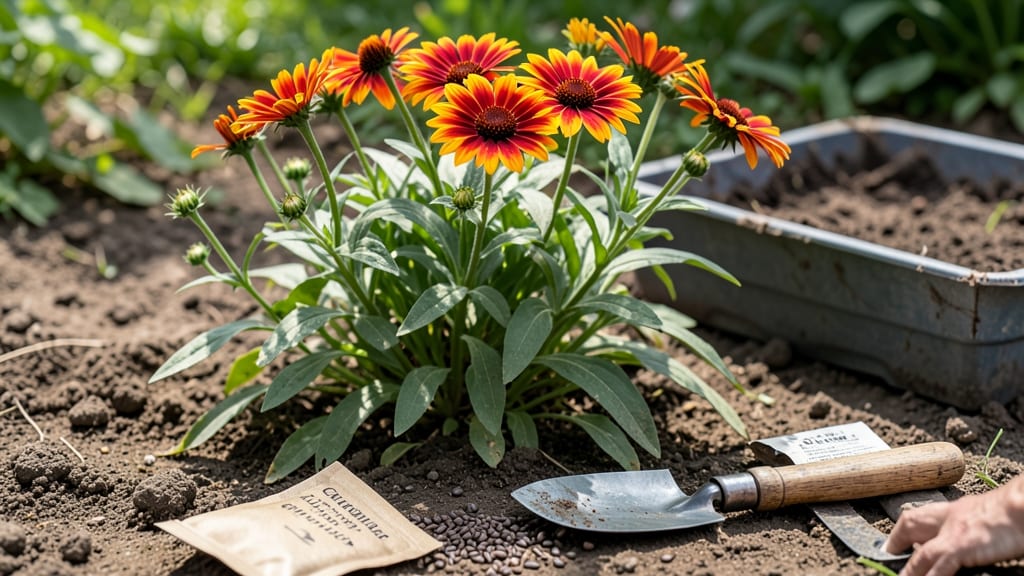
To plant blanket flower seeds for bold summer blooms, aim for April to May in most regions after the last frost 🌼 — timing is everything for these heat-loving annuals.
Picture this: you’ve waited all winter for your garden to burst into color, only to end up with spindly stems and few flowers. That’s what happens when blanket flower seeds go in too early or too late.
These fiery blooms need warm soil and steady sunlight to thrive, so getting the timing right is the key to a showstopping display.
Blanket flowers are tough once established, but they won’t wait around for perfect conditions. In cooler climates like USDA Zone 6a, sow seeds after the soil reaches 60°F and all frost risk has passed.
Warmer zones can plant as early as March, but the rule is simple: wait for daytime highs to stay above 55°F consistently.
Below, I’ll break down the exact planting windows by zone, how to prep soil for fast germination, and why a June transplant can still work if you miss the spring window. Ready to turn your garden into a nonstop summer spectacle?
Best planting months for blanket flower seeds by climate zone
Blanket flowers (Gaillardia) thrive when planted at the right time, but their heat-loving nature means timing varies dramatically across USDA climate zones 3-11.
In cooler zones like 3-5, you'll plant earlier to avoid late-season heat stress, while zones 9-11 offer extended windows for both spring and fall sowing. The key is understanding your last frost date and soil temperature thresholds—seeds need 60°F+ soil to germinate reliably.
Most gardeners focus on spring planting for blanket flowers, but fall sowing works in warmer zones where winter temperatures stay above 30°F. I've seen stunning fall-planted blankets bloom the following summer in zone 8—just don't plant too early when soil is still cool.
Let's break down the perfect planting windows by zone to ensure your seeds sprout strong and your blooms stay vibrant all summer.
🌱 Pro Tip: Use a soil thermometer to confirm temperatures before planting—blanket flower seeds won't germinate below 60°F, even in ideal conditions.
In zones 3-4, I recommend sticking to spring planting only—these areas have the shortest growing seasons, and fall-sown seeds rarely survive winter. The May 15-June 1 window gives plants enough time to establish roots before summer heat arrives.
For zone 5-6 gardeners, you can experiment with fall planting in late summer, but only if your first frost typically arrives after October 15.
Gardeners in zones 7-8 have the most flexibility—both spring and fall planting work beautifully. I've had success with July-August fall plantings that produce stunning summer blooms the following year. The key is ensuring soil stays above 55°F for at least 4-6 weeks after sowing.
In my zone 7b garden, fall-planted blanket flowers often outperform spring-sown ones because they avoid early-season pests.
For zones 9-11, blanket flowers are practically year-round plants. You can sow seeds in winter months (like January-February) and still get blooms by summer. The only caution is avoiding planting when daytime temperatures exceed 90°F—seeds may dry out before germinating.
I've seen dramatic results by planting in late May-June for fall color in these warm climates.
One common mistake I see is planting too early when soil is still cool. Blanket flower seeds won't germinate below 50°F in most varieties, and even at 55°F, germination rates drop significantly.
Always check soil temperature with a thermometer or wait until nighttime temperatures stay above 50°F consistently. This simple step can mean the difference between 50% germination and 90%.
Another pro tip: If you're in a transitional zone (like zone 6b-7a), consider using row covers for early spring plantings. These protect young seedlings from late frosts while allowing sunlight to reach the soil.
I've extended my planting window by 2-3 weeks using this method, giving me earlier blooms and a longer flowering season.
🌼 Remember: Blanket flowers are drought-tolerant once established, but young seedlings need consistent moisture. Water gently after planting to prevent seed displacement, and keep soil evenly moist (not soggy) until germination occurs.
Finally, consider your
How to time blanket flower planting for maximum summer blooms
Blanket flowers thrive when planted at the right time—typically 60-75 days before your first frost-free summer. Since they love heat, aim for soil temperatures above 60°F and full sun exposure.
Planting too early risks rot from cold soil, while late planting may delay blooms until fall. My secret? Use your last frost date as the starting point for backward planning.
For most U.S. climates, this means late spring planting (April-May in USDA zones 3-7) or early summer (June in zones 8-11). In warmer regions, you can even start seeds indoors in February for an earlier display.
The key is ensuring your blanket flowers have enough time to establish roots and reach maturity before summer heat peaks.
- 📅 Step 1: Find your last frost date (check USDA zone maps or local almanacs).
- ⏳ Step 2: Count 75 days backward from your first summer heatwave (when temps stay above 80°F).
- 🌡️ Step 3: Wait until soil temps reach 60°F+ (use a soil thermometer or wait for 2 weeks after last frost).
- 🌱 Step 4: Plant seeds ¼ inch deep in well-draining soil with full sun exposure.
- ☀️ Step 5: Thin seedlings to 12 inches apart once they have 2-3 true leaves.
If you're unsure about your local frost dates, use a planting calendar app or check with your local Cooperative Extension Service. For example, in zone 5, I plant blanket flower seeds mid-April to ensure blooms by early July.
In zone 9, I start them in late February to beat the summer heat. Always prioritize heat tolerance over early planting.
For container gardening, timing is even more critical since pots heat up faster. Start seeds 4-6 weeks earlier than your in-ground planting date to account for slower soil warming in containers. Use black plastic pots to absorb heat and speed up germination.
Remember, blanket flowers hate soggy soil, so ensure your containers have drainage holes and use a lightweight potting mix.
Pro tip: Mark your calendar 6 weeks after planting to begin light fertilizing (use a balanced 10-10-10 formula). This encourages stronger stems and more abundant blooms.
Avoid over-fertilizing, as blanket flowers prefer lean, well-draining soil. Once established, they're drought-tolerant, so reduce watering to once weekly during peak summer.
By following these timing tips, you'll enjoy vibrant blanket flower blooms from mid-summer through fall. The secret isn't just when you plant—it's how you prepare. Warm soil, full sun, and patience are your best tools for show-stopping summer color. 🌼