
Flowers
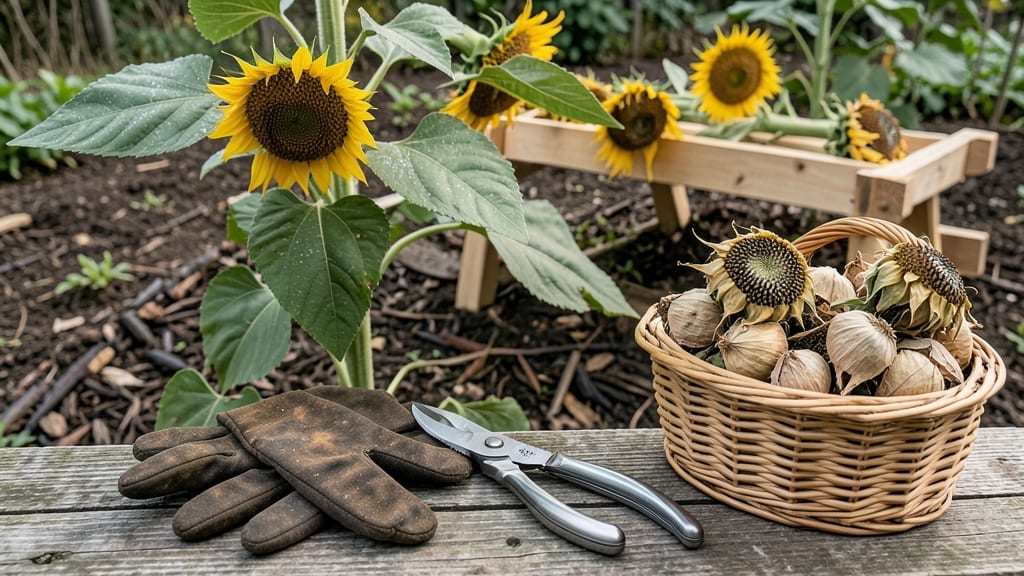
Harvest sunflowers when their seeds turn yellow-brown and the back of the head turns papery — this is the perfect window for edible seeds and stunning dried blooms.
Picture this: you’ve spent months watching your 🌻 grow from a tiny sprout to a towering giant, only to wonder, “Did I wait too long?” The truth? Sunflowers are forgiving, but timing matters. Harvest too early, and the seeds taste bitter; wait too long, and they’ll scatter or spoil.
Below, I’ll show you the three unmistakable signs your sunflowers are ready — plus how to avoid the mistakes that ruin a great crop.
Whether you’re growing sunflowers for snacking, decorating, or both, the key is watching for the right cues: seed color, petal stage, and even how the head feels. Miss these details, and you might end up with seeds that won’t store well or flowers that wilt too soon.
I’ll break down exactly what to look for, so you never second-guess your harvest again.
From USDA Zone 6a gardens to containers on patios, these tips work everywhere. By the end, you’ll know not just when to harvest, but how to preserve your sunflowers for months — whether as seeds, stems, or even dried arrangements. Let’s get started.
3 Clear signs your sunflowers are ready for harvest (edible heads only)
Harvesting sunflower seeds at the perfect moment transforms them from bland to delicious—think nutty, buttery flavor instead of bitter disappointment. The key lies in watching for three unmistakable visual cues that tell you the seeds inside your Mammoth or Russian Giant varieties are ready to pick.
These signs apply whether you're growing sunflowers for edible seeds, flower arrangements, or both.
First, let's address the seed color shift that happens naturally. Young seeds start green and firm, but as they mature, they turn yellow or brown and become crisp. This change happens because the seeds are dehydrating—a good thing!
The plant is pulling moisture away to prepare the seeds for storage. If you harvest too early, the seeds will be soft and underdeveloped; too late, and they’ll be gray and shriveled, losing flavor.
Now, let's dive into the three clear signs you’ve been waiting for. These indicators work for all sunflower varieties, but pay extra attention to tall varieties like Mammoth, which take longer to mature.
Miss these cues, and you might end up with seeds that are either too moist or too dry for roasting or eating raw.
-
1. Petals Turn Brown and Droop
The yellow petals will start to curl inward and turn brownish. This happens as the plant redirects energy from the petals to the seed development. For Mammoth varieties, this can take 70-90 days after planting. -
2. Seed Head Feels Dry and Papery
Run your fingers over the back of the flower head. If it feels dry and slightly rough (like crumpled paper), the seeds inside are ready. A moist seed head means you’re too early—wait a few more days. -
3. Seeds Rattle When Shaken
Gently shake the flower head over a bowl. If the seeds rattle loudly inside, they’re fully mature. If they feel loose but quiet, they’re not ready yet. This is the final test before harvest!
Don’t overlook the back of the flower head—this is where the most obvious changes happen. When the green bracts (the leaf-like structures) turn yellowish-brown, it’s a clear signal that the seeds are nearing peak flavor.
For Russian Giant varieties, this usually occurs 10-14 days after the petals start drooping.
If you’re growing sunflowers for edible seeds, timing is everything. Harvest too early, and the seeds will be underdeveloped and bland; too late, and they’ll spread on their own in the garden.
The ideal harvest window is when the outer petals are 80% brown and the seed head is fully dry. At this stage, the seeds are plump, crisp, and packed with flavor.
For Mammoth sunflowers, which can grow 10-16 feet tall, use a pruning shears or sharp knife to cut the stem 2-3 inches below the flower head. This prevents the seeds from absorbing moisture from the stem.
Once cut, hang the sunflowers upside down in a dry, well-ventilated area for 1-2 weeks to fully dry before shelling.
One common mistake I see is waiting until the petals are completely gone. By then, the seeds may have already scattered or lost flavor. Instead, act when you see 80% of the petals browned—this gives you the best balance of freshness and maturity.
For Russian Giant varieties, this usually happens late summer to early fall, depending on your USDA zone.
Finally, if you’re unsure whether your sunflowers are ready, pick one head early as a test. Shell a few seeds and taste them. If they’re still bitter or soft, leave the rest on the plant for another 3-5 days.
If they’re crisp and flavorful, you’ve nailed the perfect harvest time!
Mastering these three clear signs ensures you’ll always enjoy sunflowers at their peak—whether you’re roasting seeds for snacks or using them in homemade granola. Happy harvesting! 🌻
Harvest timing differences: edible seeds vs. flower stems vs. leaves
Sunflowers offer three distinct harvest opportunities, each requiring precise timing. For edible seeds, wait until the back of the flower head turns yellow-brown and seeds rattle when shaken.
This usually happens 70-120 days after planting, depending on the variety. Confectionary varieties like 'Autumn Beauty' need slightly earlier harvesting than oil types such as 'Mammoth'.
For flower stems, harvest when blooms are fully open but petals remain vibrant and dry. Cut stems at a 45-degree angle just above a leaf node to maximize vase life.
The best time is early morning when stems are hydrated. Stems should feel firm but not woody—this indicates peak freshness.
Young sunflower leaves can be harvested for cooking when they're 4-6 inches tall and still tender. Use sharp scissors to snip leaves just above a leaf joint. Harvest outer leaves first to encourage new growth. Leaves lose their mild flavor if allowed to mature past the 6-inch mark.
🌻 Sunflower Harvest Guide by Part
| Part | Harvest Cues | Best Time | Sunflower Type |
|---|---|---|---|
| Edible Seeds | Back turns yellow-brown, seeds rattle | 70-120 days after planting | Oil & Confectionary |
| Flower Stems | Petals fully open, firm stems | Early morning, peak bloom | All varieties |
| Young Leaves | 4-6 inches tall, tender texture | Throughout growing season | All edible varieties |
For edible seeds, oil-type sunflowers like 'Russian Giant' should be left on the plant until seeds turn dark brown and dry. Confectionary varieties like 'Teddy Bear' are best harvested when seeds are yellow and firm—waiting longer makes them bitter.
Always remove seeds from the head and dry them in a well-ventilated area for 1-2 weeks.
When harvesting flower stems, avoid cutting during rainy weather or extreme heat, as this shortens vase life. Store cut stems in cool water and recut stems every 2-3 days to maintain freshness.
For longer-lasting arrangements, choose varieties with narrow petals, like 'ProCut', which hold up better in bouquets.
To maximize your leaf harvest, focus on youngest leaves near the plant's base. These are mildest in flavor and packed with nutrients. Avoid harvesting leaves from plants under stress (wilting, yellowing) as their flavor becomes bitter and tough. Always use clean tools to prevent disease transmission between cuts.