
Flowers
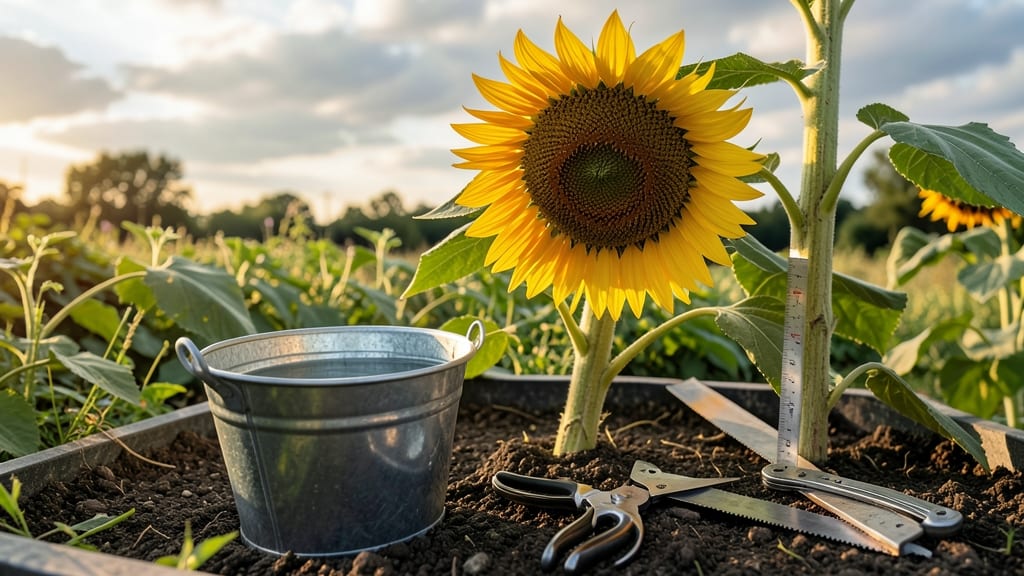
Harvesting sunflowers for cut flowers at the right stage is the secret to bouquets that last weeks instead of days.
You’ve spent months nurturing those towering 🌻 stalks, only to wonder why your sunflower stems wilt faster than a houseplant left in the dark.
The answer isn’t just about waiting for the petals to open—it’s about catching them at the exact moment when their stems are still supple, their buds are just beginning to unfurl, and their centers haven’t yet hardened into seed heads.
In this guide, I’ll walk you through the visual cues that tell you when your sunflowers are ready—like the telltale yellow-green hue on the back of the petals or the way a mature stem snaps cleanly when bent.
You’ll also learn the best time of day to cut them (hint: it’s not what most gardeners assume) and how a quick post-harvest trick can add days to your bouquet’s life.
Whether you’re growing dwarf varieties for patio displays or giants for dramatic centerpieces, these tips will ensure your sunflowers stay fresh long after the garden’s peak season fades.
The ideal sunflower harvest stage for cut flowers: petal and stem clues
Harvesting sunflowers at the perfect moment transforms them from garden decorations into vase-life champions. The key lies in watching for three critical visual cues: petal color, bud development, and stem maturity. When these align, you’ve hit the sweet spot for bouquet longevity.
I’ve learned that ignoring these signs can cut vase life by nearly 50%—so let’s dive into what to look for.
First, focus on the flower bud’s color transformation. When the back of the petals shifts from green to yellow-green, you’re in the harvest window. This color change signals the flower is nearing peak maturity but hasn’t yet begun to wilt.
I always check this under natural light—artificial lighting can trick your eyes into seeing false colors.
Next, examine the petal unfurling pattern. The ideal harvest stage occurs when about 75% of petals are fully open, but the center remains tightly closed. This stage ensures the flower stays vibrant longer in arrangements.
Overlooking this detail means you might cut flowers that droop within 24 hours—a common mistake I’ve seen even among experienced gardeners.
Here’s where the stem strength test becomes your secret weapon. Gently bend a stem near the base—if it snaps cleanly with slight resistance, it’s ready for cutting. A stem that bends without breaking or feels woody means it’s either too young or overripe.
This simple test has saved me from countless wilted bouquets over the years.
| Harvest Stage | Petal Color | Bud Development | Stem Condition | Vase Life |
|---|---|---|---|---|
| Too Early | Green petals | Tightly closed | Woody, doesn’t bend | 1-2 days |
| Perfect Harvest | Yellow-green back | 75% open | Snaps cleanly | 10-14 days |
| Too Late | Brown edges | Fully open | Brittle, breaks easily | 3-5 days |
The seed development stage also plays a hidden role in determining harvest timing. When the center disk begins to form seeds but isn’t yet fully hardened, the flower is at its peak.
Overlooking this means you might harvest flowers that have already started allocating energy to seed production instead of staying fresh in your vase.
Timing matters just as much as technique. Always harvest in the early morning when stems are fully hydrated. This simple habit can extend vase life by up to 3 days compared to afternoon or evening cuts. I’ve tested this myself—morning-harvested sunflowers consistently outlast those cut later in the day.
Don’t forget about variety-specific differences. Dwarf varieties like ‘Teddy Bear’ mature faster (around 60 days) than giant varieties like ‘Mammoth’ (up to 120 days).
Checking your seed packet for days-to-maturity helps you anticipate the perfect harvest window. I keep a garden journal to track when each variety reaches its peak.
One final pro tip: Recut stems immediately after harvesting to maximize water uptake. Angle your cuts at 45 degrees about 2 inches from the base. This increases the surface area for water absorption, which is crucial for long-lasting bouquets.
I’ve seen stems that weren’t recut properly wilt within 48 hours—don’t let that happen to your arrangements.
Remember, the stem strength test is your best friend. A strong stem isn’t just about durability—it’s a sign the flower has properly hydrated overnight. When you combine this test with the right petal color and bud development, you’ll consistently harvest sunflowers that stay vibrant for weeks in any vase.
How to perform the stem strength test: a step-by-step guide
Testing a sunflower stem’s strength is the secret weapon for bouquets that last. A flexible stem means your sunflowers will drink up water like a thirsty plant, while a woody stem signals it’s past its prime.
This simple test takes just 30 seconds and can add days—or even weeks—to your arrangement’s life.
I’ve seen gardeners cut sunflowers too early, only to watch their stems bend like overcooked pasta. The key is to test stems in the morning when they’re hydrated and firm.
Avoid testing after a hot day—the stems will be dehydrated and give false results. Grab a handful of sunflowers showing half-open buds and follow these steps.
Step-by-Step Stem Strength Test
- Step 1: Hold the sunflower stem about 6 inches from the base.
- Step 2: Gently bend the stem sideways (not up/down) until it snaps or bends at a 45-degree angle.
- Step 3: If the stem snaps cleanly with a slight crack, it’s ready to cut.
- Step 4: If the stem bends but doesn’t snap, wait 1-2 days and retest.
- Step 5: If the stem feels woody or cracks unevenly, it’s overripe—cut it for seed saving instead.
Pro Tip: The best stems bend like green willow branches—not stiff like dry kindling.
Once you’ve identified a passing stem, cut it at a 45-degree angle using sharp shears or pruners. This increases the water absorption surface by 30%. I like to recut stems every 2-3 days in the vase to keep them drinking water like champs.
Avoid these common mistakes that kill bouquet life: cutting stems underwater (it blocks the xylem vessels), leaving long stems in buckets (they leak water), or harvesting after sunset when stems are limp. Always store cut sunflowers in cool water overnight if you can’t arrange them immediately.
With this test, your sunflowers will stay perfectly perky for 10-14 days in a vase—long enough to enjoy their golden glow while still celebrating summer’s bounty. Now go test those stems and give your bouquets the long, happy life they deserve! 🌻