
Flowers
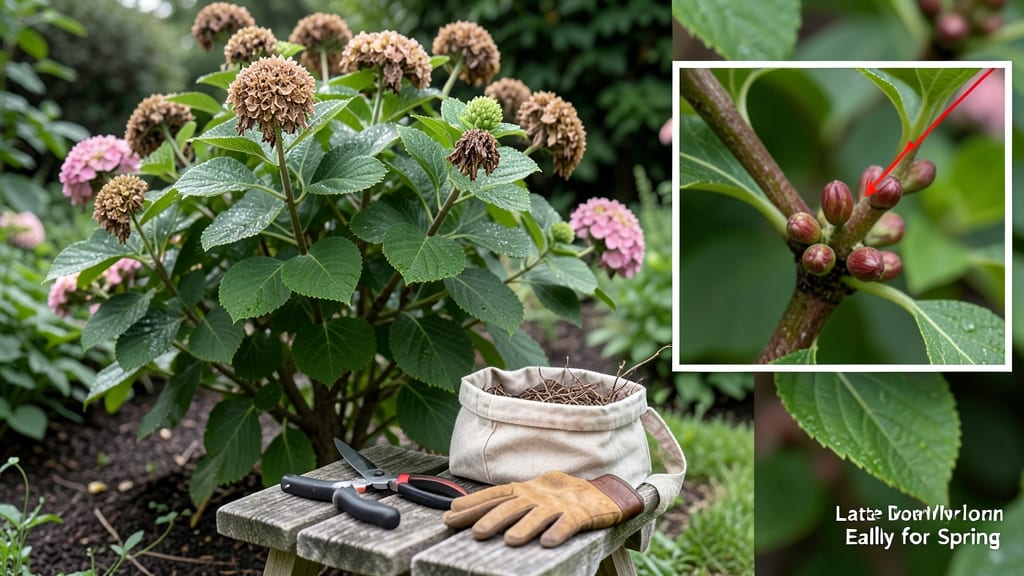
Cutting hydrangea flowers off at the right time ensures next year’s blooms will be fuller and more vibrant, not sparse or stunted.
If you’ve ever stared at your 🌸 hydrangeas in late summer, unsure whether to trim those faded blooms or leave them for winter, you’re not alone. The wrong move can mean no flowers at all the following spring—something no gardener wants to see after months of care.
Timing is everything, especially in USDA Zone 6a, where late frosts can sneak in and catch you off guard. Prune too early, and you risk cutting off next year’s buds before they form.
Prune too late, and you might miss the window entirely, leaving your shrub looking ragged instead of lush.
Here’s what you need to know: the best time to prune depends on your hydrangea type, the season, and even your local climate.
I’ll break down the exact steps, tools, and common mistakes to avoid—so you can confidently trim your hydrangeas and set them up for a showstopping display next year.
Best time to prune hydrangeas for next year’s blooms: seasonal guide
Timing is everything when it comes to pruning hydrangeas. Cutting at the wrong time can mean no blooms next season—or worse, damaging your plant’s health.
The key lies in understanding whether your hydrangea blooms on old wood or new wood, as this determines the best pruning window for your specific variety. Let’s break down the seasonal rules to ensure your hydrangeas thrive.
Hydrangeas that bloom on old wood (like the classic mophead and lacecap varieties) form their buds in the previous growing season. This means you must wait until after they finish blooming—typically in late summer or early fall—to prune.
Cutting too early can remove next year’s flower buds before they even form. On the other hand, new wood bloomers (such as panicle and oakleaf hydrangeas) produce buds on current-year growth, so they can be pruned in late winter or early spring without risk.
If you’re in a warmer climate (USDA zones 8-10), the timing shifts slightly. For old wood bloomers, prune in late winter (February-March) to avoid the risk of early bud formation before the frost-free period.
In cooler climates (zones 3-7), aim for late March to early April—just as new growth begins. This timing ensures you’re not pruning too early and accidentally removing next year’s buds.
One of my biggest mistakes was pruning my mophead hydrangea in early spring, thinking it was safe. The result? No blooms that summer because I’d cut off the old wood buds. Always double-check your hydrangea’s blooming type before reaching for the shears.
If you’re unsure, observe your plant: old wood bloomers will have buds forming on last year’s stems, while new wood bloomers will show buds only on current-year growth.
For new wood bloomers, late winter pruning (just before bud break) is ideal. This is when your hydrangea is dormant, making it easier to see the structure of the plant and remove dead or weak stems. Aim to cut back by 1/3 to encourage bushier growth.
In my garden, I prune my panicle hydrangeas in February, and they always reward me with vibrant summer blooms. The key is to prune before the first signs of new growth appear.
Regional climate plays a role too. In the South, where winters are mild, prune old wood bloomers in February to avoid accidental bud damage from unpredictable warm spells. In the North, wait until late April or early May, after the last frost, to ensure safety.
Always check your local frost dates and plan accordingly. I once pruned my hydrangeas too early in March in Zone 5, only to have a late frost nip the
Step-by-step pruning guide: how to cut hydrangea flowers without killing the plant
Pruning hydrangeas correctly ensures your plant thrives and produces stunning blooms next season. The key is knowing when and how to cut—especially since different varieties bloom on old wood or new wood.
For example, mophead and lacecap hydrangeas bloom on old wood, while panicle types bloom on new growth. Let’s break it down so you can prune with confidence.
Before you grab your shears, gather these essential tools: sharp bypass pruners, sterilized alcohol wipes, gloves, and a bucket for clippings. Always sterilize tools to prevent disease spread.
Start by removing dead or diseased branches first—they’ll sap energy from your plant. Then, focus on shaping or rejuvenating the plant based on its type.
When to Cut Hydrangea Flowers Off
- 🌿 Late Winter (Dormant Season): Prune old wood bloomers (mophead, lacecap) after last frost (around March-April). Cut back 1/3 of the oldest stems to encourage new growth.
- 🌱 Early Spring (Before Buds Swell): For panicle hydrangeas, prune in late winter to early spring to shape the plant and remove weak or crossing branches.
- ✂️ Late Summer (After Blooming): Trim spent blooms of new wood bloomers (panicle, smooth) in August-September to promote next year’s flowers.
- 🚫 Avoid Pruning Now: Never prune old wood bloomers after mid-summer—you’ll cut off next year’s buds!
Now, let’s tackle the actual cutting. For mophead and lacecap types, look for thick, woody stems with buds near the base. Cut these back to just above a bud or leaf node, angling the cut slightly to prevent water pooling.
For panicle hydrangeas, you can be more aggressive—trim back 1/2 to 2/3 of the plant in early spring to encourage bushier growth.
Watch out for these common mistakes that can harm your hydrangea: pruning at the wrong time (e.g., cutting old wood bloomers in summer), using dull shears that tear stems, or removing too many stems at once.
Always leave at least 3-5 healthy stems to maintain the plant’s structure. After pruning, apply a balanced fertilizer to support new growth.
Finally, mulch around the base of your hydrangea with 2-3 inches of organic mulch to retain moisture and regulate soil temperature. Water deeply after pruning to help the plant recover. With the right timing and technique, your hydrangea will reward you with vibrant blooms for years to come! 🌸