
Flowers
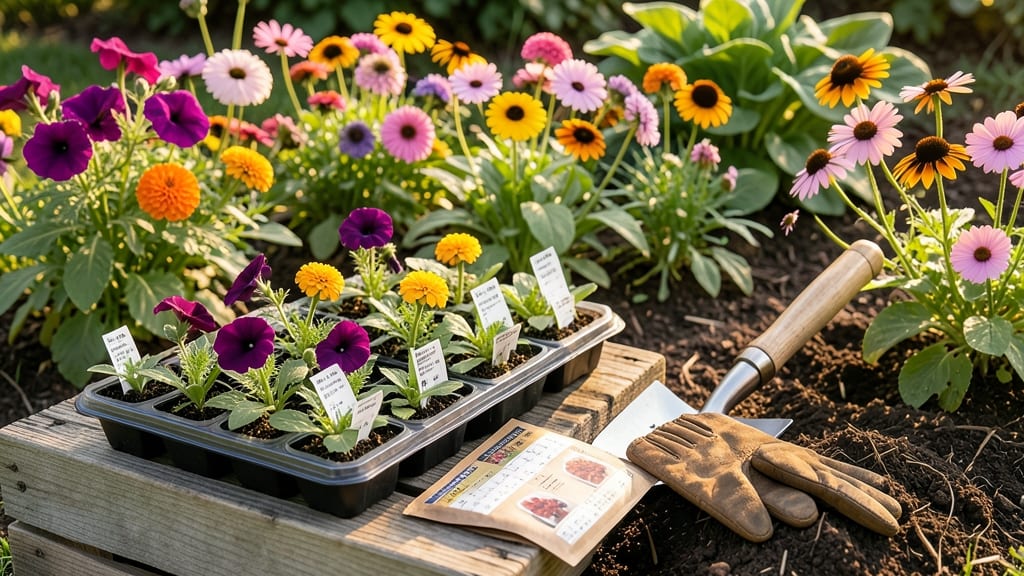
Planting flowers in Maine at the right time means vibrant blooms all season, not a sad, frost-nipped garden.
Timing your flower planting in Maine’s unpredictable climate can mean the difference between vibrant blooms and a disappointing flop—but knowing your frost dates and hardiness zones unlocks the secret to a showstopping garden.
With short growing seasons and cold winters, the window for planting 🌱 is tight. Get it wrong, and you’ll watch your seedlings freeze or bolt too soon. But get it right, and you’ll enjoy continuous color from spring through fall.
Below, I’ll break down the exact frost dates by zone, the best flowers for your climate, and pro tips to stretch your season—so you can finally stop guessing and start growing with confidence.
Maine’s frost dates by Zone: critical planting windows for annuals & perennials
Maine’s short growing season and variable frost dates make timing everything for flower gardeners. Most of the state falls within USDA Zones 3-5, but coastal areas (like Bar Harbor) warm up faster than inland spots (like Presque Isle).
Understanding these critical planting windows ensures your annuals and perennials thrive—not just survive.
For annual flowers, you’ve got two chances: spring planting (after last frost) and fall planting (6-8 weeks before first frost). Perennials, however, only get one shot in spring—plant them too late, and they may not establish roots before winter.
Let’s break down the frost dates by zone so you can plan like a pro.
Here’s the summary table with last frost dates, first frost dates, and ideal planting windows for Maine’s most common zones (3-5), including coastal vs. inland variations:
Notice how coastal areas have earlier last frosts and later first frosts? The Gulf of Maine moderates temperatures, giving gardeners an extra 2-3 weeks of growing time.
Inland zones, like those in Northern Maine, are colder, so wait until after May 15 to plant tender annuals like marigolds or petunias.
For perennials, focus on spring planting—they need time to establish roots before winter. In Zone 3, aim for May 1–June 15, while Zone 5 gardeners can start as early as April 15.
Pro tip: Divide perennials in early fall (September) to give them a head start next spring.
Ever wonder why some annuals thrive in fall? It’s because cooler September temperatures reduce stress on plants like pansies and kale. In Zone 4, you can even plant hardy annuals until August 25—just be ready to protect them with row covers if frost sneaks in early.
Maine’s first frost can arrive as early as September 5 in Zone 5, so plan your fall annuals accordingly. Sweet peas and calendulas are great choices—they tolerate light frosts and add late-season color before winter sets in.
Don’t forget to monitor local forecasts
Best flowers to plant in Maine by season: matching blooms to your climate
Maine’s short growing season demands strategic planting to maximize your garden’s beauty. The key is choosing cold-hardy annuals and perennial workhorses that thrive in our USDA Zones 3-5. I’ve tested these varieties over years of Maine gardening, and they consistently deliver color from spring through frost—without requiring a greenhouse!
Spring is your busiest season, but don’t overlook fall planting for hardy annuals that bloom until snowflakes fly. The secret? Planting after your average last frost date (typically May 15-30, depending on your zone) and selecting varieties bred for cool-season resilience.
Let’s dive into the best blooms for each season.
- 🌱 Spring Planting (April-May): Pansies (Zones 3-11) and Sweet Peas (Zones 2-10) are my top picks—they handle light frosts and bloom until summer. Plant sweet peas in late April for early summer flowers, while pansies thrive when seeded in May.
- ☀️ Summer Planting (June-July): Black-Eyed Susans (Zones 3-9) and Coneflowers (Zones 3-11) are perennial powerhouses. Transplant started seedlings in early June for late summer blooms that last through frost. Add Zinnias (Zones 3-12) in late June for vibrant summer color.
- 🍂 Fall Planting (August-September): Pansies and Sweet Alyssum (Zones 3-11) are my go-to fall annuals. Sow sweet alyssum in early August for blooms until snow covers the ground. Mums (Zones 3-9) planted in late August reward you with frost-resistant color.
- ❄️ Winter Interest (October-November): Ornamental Kale (Zones 3-11) and Russian Sage (Zones 4-9) add structure and color when most gardens sleep. Plant ornamental kale in September for frost-enhanced foliage that lasts until winter.
For perennial flowers, focus on early spring planting (April-May) to give roots time to establish before summer heat arrives. Daylilies (Zones 3-9) and Peonies (Zones 3-8) are my top performers—they bounce back year after year with minimal care.
I always plant peony roots in early May for the most robust growth.
Don’t forget bulbs like Daffodils (Zones 3-8) and Tulips (Zones 3-8), which should be planted in fall (September-October). These cold-hardy bulbs naturalize beautifully in Maine gardens, returning year after year with early spring blooms that brighten up gray days.
Pro tip: Use row covers to extend your planting season by 2-3 weeks in spring and fall. I’ve successfully grown calendulas and nasturtiums under covers until June 1, giving me an extra month of color before summer heat sets in.