
Flowers
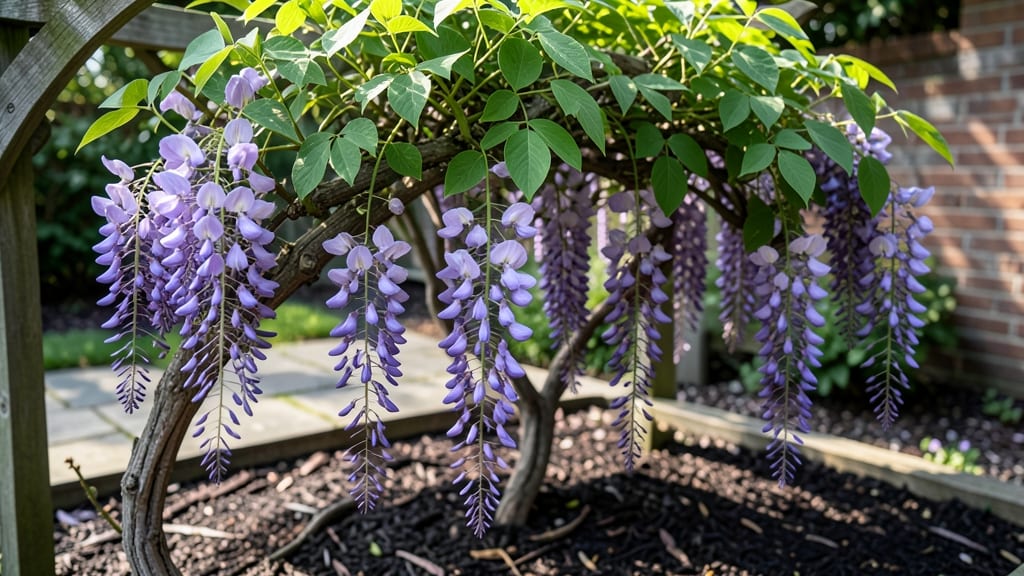
Timing wisteria’s flowering correctly means longer, healthier blooms year after year—but most gardeners miss the key window for pruning.
Picture this: your 🌸 wisteria vine is loaded with buds, but you prune at the wrong time, and suddenly, those clusters turn into sparse, weak flowers—or worse, none at all. I’ve seen it happen, and it’s a heartbreaking mistake.
Wisteria blooms in spring (April–May in Zone 6a), but the real secret to a spectacular display lies in when you prune. Cut too early, and you sacrifice next year’s flowers. Cut too late, and you stunt growth. The balance is everything.
In this guide, I’ll walk you through the exact pruning schedule by season, regional adjustments for your climate, and the simple techniques to encourage thicker, longer-lasting blooms—so you can enjoy that fragrant, cascading beauty every spring.
Best wisteria flower time: pruning schedule by season for optimal blooms
Timing your wisteria pruning correctly is the secret to those dreamy cascading blooms every spring. Wisteria flowers appear on old wood, meaning last year’s growth—so cutting back too early or at the wrong time can rob you of next year’s floral display.
The best wisteria flower time for pruning is late winter to early spring, right before new growth begins. This ensures your vine has energy reserves stored in the roots to fuel both foliage and flowers.
If you’ve ever wondered why your wisteria isn’t blooming as much as it should, the answer is likely tied to your pruning schedule. Never prune during flowering season—this is a cardinal rule. Cutting back while flowers are present removes next year’s buds, which form on the current season’s growth.
Instead, wait until the blooms fade and leaves drop, signaling the perfect pruning window for wisteria care.
Wisteria pruning schedule varies slightly by climate, but the core principle remains: prune when the plant is dormant. In colder zones (USDA 5-7), this means February to early March. In warmer regions (USDA 8-10), you can prune as late as March to April. The key is to act before buds swell—this is when your vine starts preparing for its next growth cycle.
| Season | Pruning Task | Climate Adjustments | Why It Matters |
|---|---|---|---|
| Late Winter (Feb-Mar) | Remove dead/diseased wood and shape vine | USDA 5-7: Prune by mid-March USDA 8-10: Prune by April |
Encourages new growth from old wood |
| Early Spring (Mar-Apr) | Cut back last year’s growth by 1/3 | Warmer zones: Wait until buds swell | Promotes thicker blooms on remaining branches |
| Summer (Jun-Aug) | Light trimming of overgrown branches | Avoid heavy pruning—never cut flower buds | Maintains vine health without reducing blooms |
| Fall (Sep-Nov) | Remove weak or crossing branches | Stop pruning by first frost | Prevents winter damage to dormant buds |
| Winter (Dec-Jan) | No pruning—plant is dormant | Exception: emergency pruning for storms | Preserves energy reserves for spring growth |
For wisteria flower time adjustments, consider your local climate. In USDA Zone 5, for example, prune by March 15 to avoid late frosts damaging new growth. Meanwhile, in Zone 9, you might prune as late as April 15 because the vine stays active longer.
The goal is always to prune just before buds break, which is when your wisteria starts preparing for its next floral display.
One common mistake is pruning too aggressively in spring. While it’s tempting to shape your wisteria into a perfect flowering arbor, cutting back more than one-third of last year’s growth can reduce next year’s blooms.
Instead, focus on selective pruning: remove dead wood, thin out crowded branches, and redirect growth toward your desired shape. This balanced approach keeps your vine healthy while maximizing flower production.
If your wisteria isn’t blooming at all, the issue might be over-pruning or insufficient sunlight. Wisteria needs full sun (6+ hours daily) to set flower buds.
Pair your late-winter pruning with a balanced fertilizer (10-10-10) applied in early spring to give your vine the nutrients it needs for robust growth and abundant blooms. Think of it as a two-step process: prune to shape, then feed to fuel.
Another pro tip: Prune in stages if your wisteria is particularly large. Spread the work over 2-3 days to avoid shocking the plant. Start with dead or damaged branches, then move to shaping.
Always use sterilized pruners to prevent disease spread, and seal larger cuts with pruning sealant to protect the vine from pests and rot.
Remember, wisteria flower time is directly tied to your pruning efforts. By following this seasonal schedule, you’ll encourage your vine to produce longer, healthier branches with more abundant blooms
How to prune wisteria for longer, healthier flowering branches
Pruning wisteria isn't just about keeping it tidy—it's the key to longer, thicker flower clusters next season. When done correctly, pruning encourages healthier growth and more abundant blooms. The secret lies in cutting back old wood while shaping new growth, but timing and technique matter more than you might think.
Wisteria blooms on old wood, meaning last year's growth produces this year's flowers. If you prune at the wrong time or too aggressively, you risk reducing next year's floral display.
The goal is to thin out crowded branches while preserving the flower-producing stems. Let's break down the exact steps to follow for a maximum bloom next spring.
Step-by-Step Pruning Guide for Wisteria
- 1 Wait for dormancy: Prune in late winter or early spring (February-March) before buds swell. Never prune during flowering season.
- 2 Remove dead/damaged wood: Cut out dead, diseased, or crossing branches first. Use clean, sharp pruners to avoid tearing bark.
- 3 Thin out crowded branches: Select 3-5 main stems and remove weaker growth. Aim for even spacing to improve airflow.
- 4 Shorten last year's growth: Trim 1/3 of old wood to encourage thicker, bushier blooms. Cut just above a bud or side shoot.
- 5 Shape for sunlight access: Train vines along support structures and remove shady interior growth to maximize light exposure.
After pruning, apply a balanced fertilizer (10-10-10) to support new growth. Focus on root development during the first few weeks of spring, as this sets the stage for next year's flower buds. Avoid heavy pruning in summer, as this can stunt flowering for the following season.
Avoid these common pruning mistakes that reduce blooms: cutting back too aggressively, pruning during active growth, or removing flower-producing stems. Always prune with sterilized tools to prevent disease spread. With the right technique, your wisteria will reward you with longer, healthier flower clusters year after year.
Remember, patience is key—wisteria can take 3-5 years to fully mature, but proper pruning ensures a spectacular floral display once established. Happy pruning! 🌸✂️🌿