
Advice
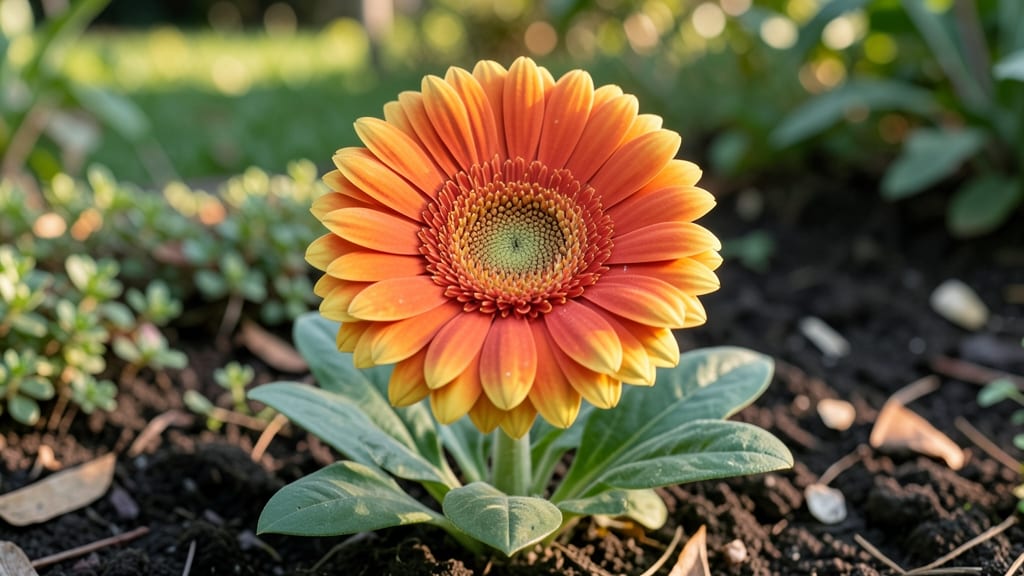
Gerbera daisies bloom in the flowering season from June through October when your garden is bathed in warmth and sunlight — but the timing can shift dramatically depending on where you live.
Want vibrant gerbera daisies blooming all season long? Their flowering cycle isn’t just about water and sunlight—it’s heavily influenced by your climate zone and seasonal triggers you might be missing.
In cooler zones like USDA 6a, your 🌼 may wait until late spring to burst into color, while tropical gardeners enjoy near-year-round blooms. The difference comes down to temperature thresholds, daylight hours, and even how you prep the soil.
Below, I break down the exact climate triggers for your region, plus three simple care tweaks that can extend your blooms by weeks — no matter where you garden.
When do gerbera daisies bloom? Seasonal triggers by USDA climate zones
Gerbera daisies are seasonal bloomers that thrive when conditions align perfectly with their natural growth cycles. Unlike some flowers that bloom continuously, gerberas respond dramatically to temperature shifts, daylight hours, and USDA climate zones.
In warmer zones (9-11), you might see blooms year-round, while cooler zones (3-7) experience distinct spring-to-fall flowering windows. Understanding these triggers helps you time plantings and extend bloom duration naturally.
Daylight plays a critical role in gerbera flowering. These plants are short-day plants, meaning they bloom when daylight hours shorten—typically in late spring through early fall. However, temperature thresholds (usually 60-75°F) must also be met.
In Zone 10, where winters are mild, gerberas may bloom year-round with minimal dormancy. Meanwhile, in Zone 5, they’ll enter dormancy in winter and resume blooming in late May or June when soil warms.
Let’s break down the blooming windows by USDA zone, including key triggers like first frost dates, optimal temperatures, and daylight exposure that determine when your gerberas will burst into color.
In Zones 3-5, gerbera daisies typically bloom from late May through October, aligning with the longest daylight hours of the year. These zones experience cold winters, so plants enter dormancy when temperatures drop below 50°F (10°C).
To encourage earlier blooms, start seeds indoors in March and transplant after the last frost date. In Zone 5, where frost can linger until mid-May, use row covers to protect young plants and extend the growing season.
Gardeners in Zones 6-7 enjoy a shorter but vibrant bloom window from June to September. The key here is soil warmth—gerberas won’t thrive until the ground reaches 65°F (18°C). If your spring is cool, consider black plastic mulch to warm the soil faster.
In Zone 7, where summers are humid, deadhead spent blooms weekly to encourage continuous flowering and reduce fungal risks.
For Zones 8-9, gerbera daisies bloom earlier and longer, from April to November, thanks to milder winters. However, even these zones see a slight dormancy period in winter when daylight drops below 12 hours.
To maximize blooms, fertilize lightly in late winter with a high-phosphorus feed (e.g., 5-10-10) to jumpstart growth. In Zone 9plant gerberas in fall for winter-to-spring blooms.
If you live in Zones 10-11, congratulations—your gerbera daisies can bloom year-round with minimal care! These tropical climates provide ideal 75–90°F (24–32°C) temperatures and consistent 11–13 hours of daylight
Gerbera daisies thrive on consistency, but their blooming season can stretch far beyond the natural cycle with the right seasonal adjustments. The key lies in understanding how temperature shifts, daylight hours, and care routines interact to trigger continuous flowering. In warmer climates, gerberas may bloom year-round, while in cooler zones, strategic care can extend their season by 3-4 months. Start by aligning your watering schedule with seasonal needs. During spring and fall, when temperatures moderate, water every 4-5 days to encourage root development. In summer's peak heat, increase frequency to every 2-3 days while ensuring soil drains well to prevent root rot. This balance keeps your gerberas hydrated without stressing them during their most active growth phases. Fertilizing triggers are often overlooked but critical for extending blooms. Gerberas respond best to phosphorus-rich fertilizers (like 5-10-10) during their active growth phases. In spring and early summer, feed every 4-6 weeks to promote abundant blooms. Switch to a low-nitrogen formula in late summer to prevent leafy growth at the expense of flowers. Always apply fertilizer in the early morning to avoid burning roots in hot afternoon sun. Deadheading is the simplest yet most effective technique to prolong flowering. Remove spent blooms by cutting the stem just above the next set of leaves using clean, sharp pruning shears. This practice encourages the plant to produce new flower buds instead of wasting energy on seed development. For gerberas, deadhead weekly during peak bloom (typically May through September) to maintain a continuous display of vibrant blooms. Light manipulation can work wonders, especially in container gardens or shadier climates. Gerberas need 6-8 hours of direct sunlight daily, but too much afternoon sun can scorch petals. In hot climates, provide afternoon shade with a sheer curtain or nearby shrubs. For indoor gerberas, place them near south-facing windows and supplement with a grow light for 12-14 hours/day in winter to mimic long daylight hours and trigger blooming. Finally, monitor your gerberas for seasonal stress signs like yellowing leaves or drooping petals. These often indicate overwatering, nutrient deficiency, or pest pressure. Adjust care immediately—reduce watering if soil stays soggy, or apply a balanced fertilizer if growth slows. With these seasonal tweaks, your gerbera daisies can bloom up to 6 months longer than their natural cycle! 🌼How to extend gerbera daisy blooming with seasonal care adjustments