
Advice
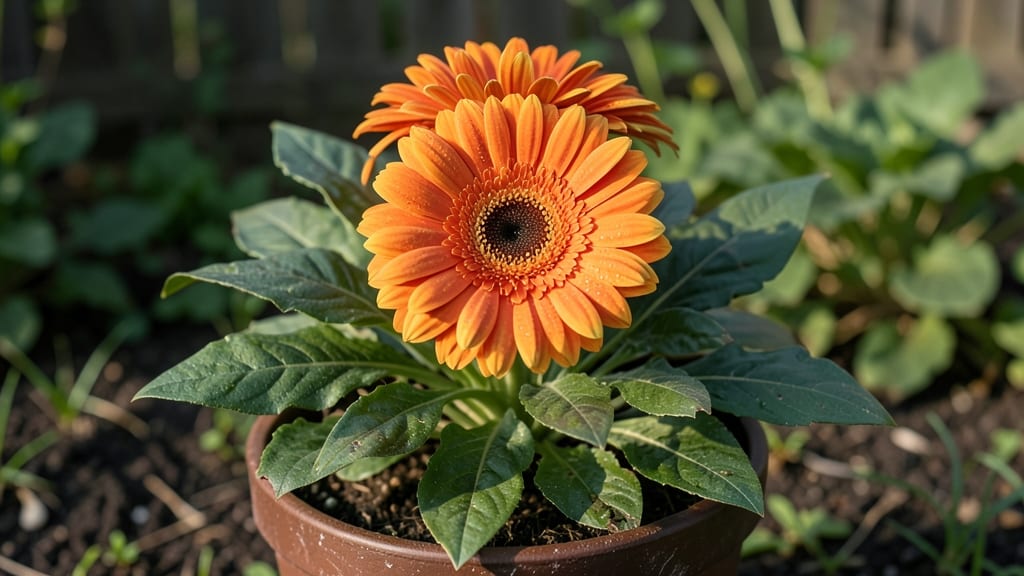
The gerbera flowering time you can expect depends entirely on your USDA zone — and getting it right means the difference between a garden bursting with 🌼 color or one that fizzles out by summer.
Want vibrant gerbera daisies blooming in your garden all year? Timing is everything—and your zone determines when these cheerful flowers will burst into color.
In Zone 6, for example, you’ll see peak blooms from July to September, but shift south to Zone 9, and they’ll flower nearly year-round with the right care.
Light, temperature, and even soil moisture play a bigger role than most gardeners realize. Too little sun in cooler zones can delay flowering by weeks, while overwatering in summer heat sends gerberas into early dormancy.
The good news? Small adjustments—like strategic planting dates or a mid-season fertilizer boost—can shift your blooming window by 4 to 6 weeks.
Below, I’ll break down the exact months gerberas flower in each zone, plus the 3 biggest mistakes that stall blooms. Whether you’re in frost-prone Zone 5 or tropical Zone 11, you’ll leave here with a custom plan to keep your gerberas in full, happy bloom for months.
Gerbera flowering time by USDA zone: month-by-month blooming schedule
Gerbera daisies are famous for their vibrant, long-lasting blooms, but their flowering time varies dramatically depending on your USDA zone. In cooler zones like 3-5, gerberas may only bloom for 2-3 months per year, while tropical zones 7-11 can enjoy near-continuous color.
Understanding these patterns helps you plan for peak bloom periods and extend your garden's beauty.
Most gerbera varieties are tender perennials that thrive as annuals in cooler climates. Their flowering window typically follows spring and summer, but with proper care, you can coax extra blooms in fall or even winter in warmer zones.
The key lies in matching your planting schedule to your local climate's frost dates and temperature trends.
| USDA Zone | Planting Time | Peak Bloom Period | Extended Bloom Potential | Cold-Hardy Varieties |
|---|---|---|---|---|
| Zones 3-4 | May 15-June 15 (after frost) | July-August (4-6 weeks) | None (annual cycle) | 'Siberian' series (tolerates 20°F) |
| Zones 5-6 | April 15-May 30 | June-September (12-14 weeks) | Fall blooms with mulch | 'Terry' hybrids (25°F tolerance) |
| Zones 7-8 | March 1-April 30 or Sept-Oct | April-October (24 weeks) | Year-round with shelter | 'Orange Queen' (30°F tolerance) |
| Zones 9-10 | Year-round (best in cool months) | February-November (36 weeks) | Continuous with deadheading | 'Red Torch' (35°F tolerance) |
| Zone 11 | Year-round (avoid summer heat) | January-December (52 weeks) | Year-round with shade cloth | All varieties (40°F tolerance) |
In Zones 3-4, gerberas bloom for just 4-6 weeks in mid-summer, making timing critical. Plant after your last frost date (typically May 15) and choose cold-hardy varieties like the 'Siberian' series, which can tolerate brief dips to 20°F.
These zones require overwintering protection—dig up tubers after frost or use thick mulch.
Gardeners in Zones 5-6 enjoy the longest natural bloom window—12-14 weeks from June to September. The secret to extending blooms here is deadheading spent flowers and applying a light mulch layer in early fall.
Some varieties like 'Terry' hybrids can handle 25°F temperatures, allowing for late-season color if protected from hard frosts.
For Zones 7-8, gerberas become nearly year-round performers with proper care. Plant in early spring for summer blooms or late summer for fall/winter flowers. The 'Orange Queen' variety thrives here, tolerating 30°F and blooming for 24 weeks. Use shade cloth in peak summer to prevent heat stress.
Tropical zones 9-11 offer the most flexibility—gerberas can flower year-round with minimal care. In Zone 11, they bloom continuously if given partial shade during 100°F+ days. Varieties like 'Red Torch' handle 35°F nights well. The key is consistent moisture and regular deadheading to prevent leggy growth.
To extend flowering in any zone, focus on three critical factors: light exposure (6+ hours of direct sunlight daily), soil fertility (balanced 10-10-10 fertilizer every 4-6 weeks), and water consistency (deep watering every 2-3 days in summer).
These practices can add 4-8 extra weeks of blooms to your gerbera season.
Pro tip
How to adjust gerbera flowering time for earlier or later blooms
Gerberas are finicky about timing—get the planting window wrong, and you’ll miss their peak bloom season entirely. The good news? With a few strategic adjustments, you can shift their flowering by up to 6 weeks earlier or later, depending on your zone.
For example, gardeners in Zone 5 can coax blooms in June instead of August by starting seeds indoors in February instead of March.
Light exposure is the #1 factor controlling gerbera flowering time. These sun-lovers need 6+ hours of direct sunlight daily to trigger blooming. In shady spots, they’ll focus on leafy growth instead of flowers.
If your garden lacks full sun, try reflective mulch (like white gravel) or a south-facing raised bed to maximize light. Even a 1-2 hour boost from a nearby wall can make the difference between early blooms or none at all.
🌱 5 Pro Tips to Shift Gerbera Blooming Time
- 1. Plant 4-6 weeks earlier in cool zones (Zones 3-7) to beat summer heat and trigger spring blooms instead of summer.
- 2. Use black plastic mulch in spring to warm soil 2-3°F faster, jumpstarting growth by 2 weeks.
- 3. Fertilize with phosphorus (5-10-10) in early spring to encourage earlier bud formation.
- 4. Overwinter potted gerberas in Zone 8+ with 10-12 hours of light daily to keep them blooming through winter.
- 5. Prune back by 1/3 after first frost in Zones 5-7 to force reblooming in late summer.
Temperature plays a surprising role in gerbera flowering time. These plants thrive in 60-75°F but will halt blooming above 85°F or below 50°F. In hot climates (Zones 9-11), provide afternoon shade during peak summer to prevent buds from dropping.
Conversely, in cool zones (Zones 3-5), use row covers in spring to warm soil and extend the growing season by 3-4 weeks.
Soil preparation is often overlooked but critical for timing. Gerberas need well-draining, slightly acidic soil (pH 5.8-6.2). Amend heavy clay with compost and perlite to prevent waterlogging, which delays flowering.
A slow-release fertilizer (like 10-10-10) applied at planting gives them a head start on nutrients, ensuring blooms appear 2-3 weeks sooner than in poor soil.
For year-round blooms in tropical zones (Zones 10-11), treat gerberas like annuals—replace old plants every 12-18 months to maintain vigor. In cooler zones (Zones 3-7), dig up containers before frost and store them in a cool, bright garage (40-50°F) with minimal water.
Replant in early spring to restart the blooming cycle 4-6 weeks earlier.
Remember: deadheading spent blooms is non-negotiable if you want continuous color. Snip off faded flowers right at the base to redirect energy into new buds. Combine this with consistent morning watering (never overhead in evening), and you’ll enjoy nonstop gerbera blooms for months—no matter your zone. 🌼