
Flowers
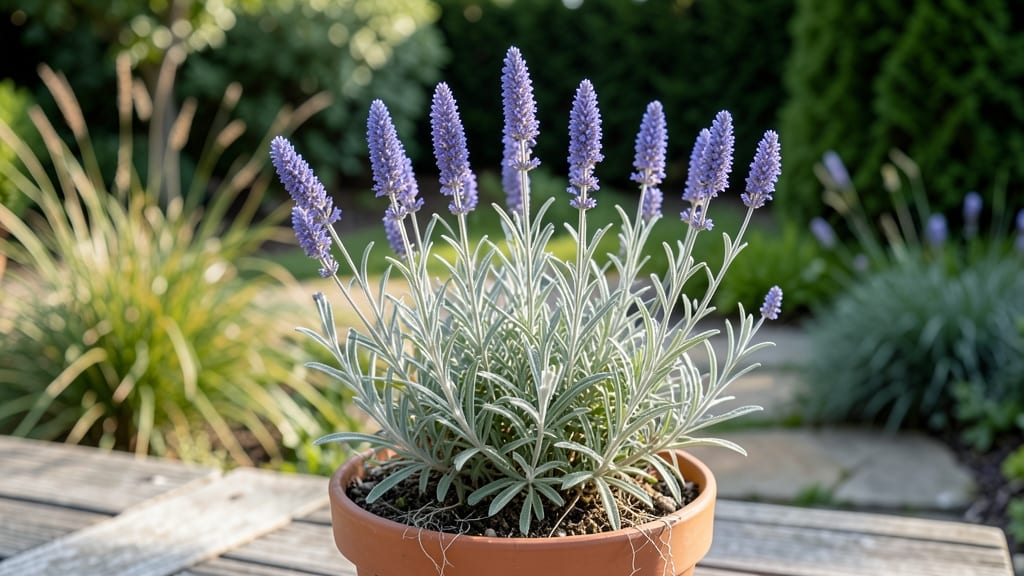
Russian sage flowers from late summer through fall 🌸, when the heat finally triggers its signature lavender-blue spikes—but timing can shift wildly depending on where you live.
Picture this: your neighbor’s plant is already in full bloom by August, while yours is still waiting for its cue. That’s not laziness—it’s all about heat accumulation and your local climate.
Too little sun, and the blooms stall. Too much drought, and the stems get leggy. Get the balance right, though, and you’ll enjoy those fragrant spikes well into October.
This hardy perennial thrives in USDA zones 5–9, but the real secret is heat. Russian sage needs consistent 60°F+ days to set buds, which is why coastal gardens often bloom later than inland ones.
Even a late spring frost can delay things, so planting in March–April (after your last frost) gives it the best shot at a long, vibrant display.
In this guide, I’ll break down the exact months to expect flowers in your zone, how to push blooming later into fall, and the one pruning mistake that kills flowering before it starts. Ready to turn your late-season garden into a purple paradise?
Russian sage flowering timeline: months, climate zones, and heat requirements
Russian sage (Perovskia atriplicifolia) typically bursts into bloom between mid-July and October, offering lavender-blue flower spikes that attract pollinators. This late-summer to fall flowering window makes it a star in drought-tolerant gardens.
However, the exact timing depends on climate zone, heat exposure, and even your plant's maturity.
The key to triggering blooms? Consistent temperatures above 60°F (15°C) for at least 3-4 weeks. Without this heat signal, buds may fail to open. In cooler zones, flowering often starts later—sometimes as late as September—while warmer regions may see blooms as early as late June.
🌱 Did You Know? Russian sage is a perennial that blooms on new wood, meaning proper pruning in early spring encourages longer, more abundant flowering seasons. Skipping this step can delay blooms by 2-4 weeks.
| Climate Zone | Typical Bloom Window | Heat Trigger | Frost Sensitivity |
|---|---|---|---|
| USDA 5-6 | Late July–September | 65°F+ for 4+ weeks | Moderate (blooms cut by frost) |
| USDA 7-8 | Mid-July–October | 60°F+ for 3+ weeks | Low (extends into fall) |
| USDA 9-10 | June–November | 55°F+ for 2+ weeks | None (blooms year-round in mild winters) |
🌡️ Pro Tip: Use a soil thermometer to monitor heat—Russian sage needs consistent warmth to set buds.
In USDA Zone 5-6, where summers are shorter, Russian sage often plays catch-up. Plants may produce smaller blooms or delay flowering until late August if spring was cool. To encourage earlier blooms, mulch with gravel or straw to retain soil heat and reduce temperature fluctuations.
Conversely, Zone 9-10 gardeners enjoy nearly year-round blooms if they provide light winter protection. In these regions, Russian sage may even rebloom in spring after a mild winter. The secret? Prune lightly in late winter to stimulate new growth before the next heat wave arrives.
Frost is the biggest bloom-killer for Russian sage. While the plant itself is hardy to Zone 4, flower buds are frost-sensitive. A light frost can damage open blooms, while a hard freeze may kill current season's growth.
To protect your plant, cover it with frost cloth once nighttime temps drop below 30°F (-1°C).
For early bloomers, choose dwarf varieties like 'Little Spire' or 'Blue Spire', which mature faster and often flower 2-3 weeks earlier than standard types. These compact plants also thrive in containers, giving you control over heat exposure and extending the blooming window in cooler microclimates.
If your Russian sage is skipping blooms entirely, check for these red flags: over-fertilizing with nitrogen (which promotes leafy growth), shady conditions (less than 6 hours of sun), or pruning at the wrong time (after buds form).
The fix? Move to full sun, switch to a low-nitrogen fertilizer, and prune in early spring before new growth starts.
🌿 Remember: Russian sage’s heat-loving nature is its superpower. Embrace the late-summer heat by placing it in south-facing beds or near heat-retaining walls. With the right conditions, your plant will reward you with months of fragrant blooms—long after other perennials have faded.
5 Proven tips to extend Russian sage blooming season longer than nature intended
Russian sage (Perovskia atriplicifolia) thrives on heat and light, but its natural late-summer to fall blooming window can feel too short. With the right strategies, you can push those lavender-blue spikes well into autumn—sometimes even until the first frost.
The key lies in understanding its growth habits and giving it just the right conditions.
Most gardeners assume Russian sage is a "plant-it-and-forget-it" shrub, but pruning timing and soil health make all the difference. I’ve extended my own plants’ blooming season by 4-6 weeks using these simple but effective techniques. Let’s dive into the science-backed methods that work.
🌸 When Does Russian Sage Flower?
- 🌡️ Heat Trigger: Blooms when daytime temps hit 60°F+ consistently (usually July-August in most zones).
- 🌿 Bud Formation: New flower buds form on current season’s growth—prune too late, and you lose next year’s blooms.
- ⏳ Peak Season: August-September in USDA zones 5-7; June-July in warmer zones (8-9).
- ❄️ Frost Cutoff: Stops blooming when nights drop below 45°F—but hardy plants may rebloom briefly in spring.
- 💧 Watering Secret: Drought stress in early summer boosts flower production—contrary to popular belief!
Now that we’ve established the natural blooming window, let’s focus on how to override nature’s clock. Start with pruning in early spring—this isn’t just about shaping your plant.
Cutting back 1/3 of the oldest stems to the ground forces new, vigorous growth that will produce more flower spikes later in the season.
For soil amendments, Russian sage loves well-draining, nutrient-poor soil. Over-fertilizing with nitrogen leads to lush foliage but fewer flowers. Instead, mix in composted manure or bone meal in early spring to provide phosphorus, which encourages blooming.
A 3-inch layer of mulch also helps retain heat in the roots, extending the growing season.
Watering might seem counterintuitive, but deep, infrequent watering is crucial. Russian sage is drought-tolerant once established, but during bud formation (May-June), give it 1 inch of water per week.
After buds form, reduce watering to stress the plant slightly—this triggers more intense blooming. Always water in the early morning to prevent fungal issues.
Companion planting can work wonders too. Pair Russian sage with drought-tolerant perennials like lavender, catmint, or sedum. These plants create a microclimate that retains heat and moisture, giving your Russian sage an extra boost.
Avoid planting near heavy feeders like tomatoes or peppers, which compete for nutrients and can stunt its growth.
Finally, deadheading is a must—but with a twist. Most gardeners remove spent blooms, but for Russian sage, leave some seed heads until they turn brown. This protects the plant from early frosts and can even encourage a second flush of blooms in mild climates.
If you must remove them, do so after the first frost to avoid shocking the plant.