
Flowers
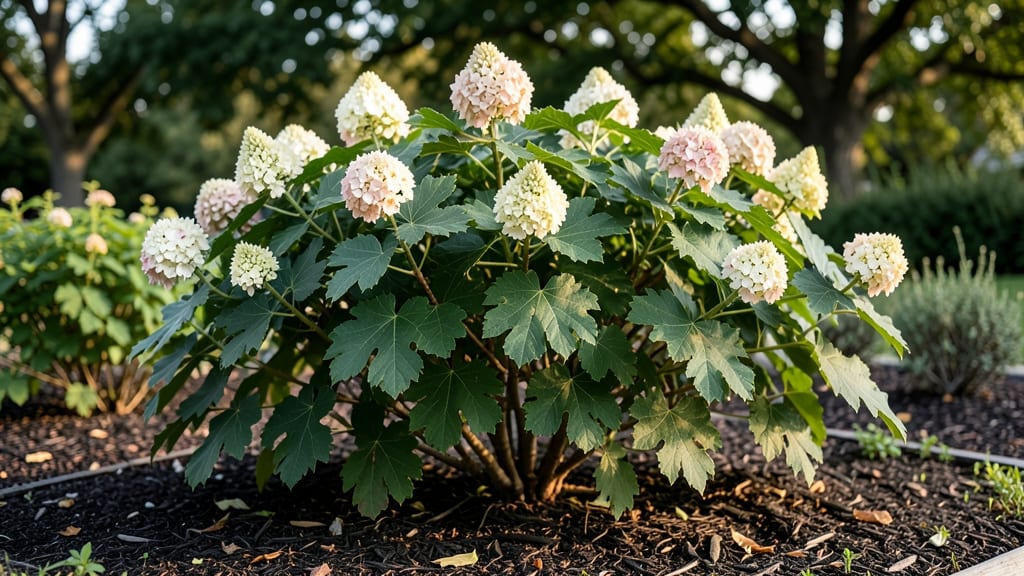
The oakleaf hydrangea flower 🌸 delivers stunning shade-tolerant blooms and fiery fall foliage that outshines most shrubs — but only if you know its secrets.
If you’ve ever struggled to find a shade-loving plant that delivers year-round color, this is it. Its delicate white blooms in spring and summer transform into deep reds and oranges by autumn, but many gardeners miss the mark on care, leading to weak growth or sparse flowers.
This guide covers everything from soil prep to pruning timing, so you can coax the most vibrant blooms and richest foliage from your oakleaf hydrangea — even in low-light spots.
You’ll discover the exact light balance it craves, how to feed it without overdoing it, and the pruning schedule that keeps it blooming like a pro’s garden.
How oakleaf hydrangea flowers thrive in shade gardens
The oakleaf hydrangea (Hydrangea quercifolia) is a shade garden superstar, thriving where many plants struggle. Its oak-shaped leaves and seasonal blooms make it a standout, but success starts with understanding its light and soil needs.
Unlike sun-loving hydrangeas, this variety embraces partial to full shade, making it perfect for wooded areas or north-facing yards.
Native to the southeastern U.S., oakleaf hydrangeas naturally grow under filtering canopies, where they receive dappled sunlight. This adaptability means you can place them in spots with 2-6 hours of morning sun or even deeper shade, though some sunlight enhances flower production.
The key is avoiding hot afternoon sun, which can scorch leaves and reduce vibrancy.
| Care Factor | Ideal Specification | Notes |
|---|---|---|
| Light Needs | Partial to full shade (2-6 hrs sun) | Morning sun preferred; avoid harsh afternoon rays |
| Soil Type | Well-draining, acidic (pH 5.0-6.0) | Add compost for moisture retention |
| Watering | Deep soak weekly (1-2 gallons) | Mulch to retain moisture; reduce in winter |
| Fertilizer | Balanced (10-10-10), spring/summer | Avoid fall/winter feeding |
| Mature Size | 6-8 ft tall, 5-6 ft wide | Prune to control size and shape |
For soil preferences, oakleaf hydrangeas love moist, well-draining soil rich in organic matter. They thrive in acidic conditions (pH 5.0-6.0), so amend clay soils with peat moss or compost to improve drainage and fertility.
If your soil is alkaline, add sulfur or pine needles to lower the pH gradually—this encourages the vibrant blue or pink blooms depending on soil chemistry.
One of the biggest mistakes gardeners make is overwatering. While oakleaf hydrangeas appreciate consistent moisture, soggy soil leads to root rot. Water deeply once a week (or more in summer) and always in the morning to prevent fungal diseases.
A 3-inch layer of mulch around the base helps retain moisture and regulates soil temperature—critical for shade-grown plants.
Seasonal care is where oakleaf hydrangeas truly shine. In spring, feed with a balanced fertilizer after pruning to fuel new growth. Summer brings peak blooming season, so monitor watering closely—drought stress causes buds to drop.
Come fall, the leaves transform into burning red or purple hues, adding winter interest. Lightly prune in late winter to remove dead wood and shape the shrub for the coming season.
If your oakleaf hydrangea isn’t thriving, check for common issues like powdery mildew (from poor airflow) or bud blast (caused by late-summer heat). To prevent problems, space plants 3-5 feet apart for airflow and avoid pruning too late in the season.
For container gardening, choose large pots with drainage holes and use a moisture-retentive potting mix.
Pro tip: Group oakleaf hydrangeas with hostas or ferns for a lush, layered shade garden. Their textured foliage and seasonal interest make them a focal point year-round. With the right light, soil, and care, your oakleaf hydrangea will reward you with stunning blooms and fiery fall color for decades.
Remember, oakleaf hydrangeas are low-maintenance champions once established. Give them shade, moisture, and occasional pruning, and they’ll thrive where other plants falter. Start with these care basics, and you’ll have a showstopping shade garden in no time! 🌿
Year-round color secrets: pruning and seasonal care guide
The oakleaf hydrangea (Hydrangea quercifolia) rewards careful seasonal care with vibrant blooms and stunning fall foliage. Unlike many hydrangeas, its oak-shaped leaves and year-round interest make it a standout.
But to unlock its full potential, you’ll need to master pruning timing and seasonal adjustments—especially in colder months.
Pruning at the wrong time can reduce next year’s blooms or stress the plant. The key is late winter pruning (just before new growth begins) to shape the shrub while preserving flower buds that form on old wood.
For fall color extension, focus on mulching and strategic placement to protect its delicate stems.
- Late Winter (Feb-March): Prune dead or crossing branches using clean, sharp shears. Cut back to outward-facing buds to encourage an open shape. Avoid heavy pruning—remove no more than 1/3 of the plant.
- Spring (April-May): Apply 2-3 inches of mulch around the base to retain moisture and insulate roots. Water deeply once a week during dry spells.
- Summer (June-August): Deadhead spent blooms to encourage new flowers. Monitor for powdery mildew—spray with neem oil if needed. Avoid overwatering to prevent root rot.
- Fall (September-October): Leave seed heads for winter interest. Add extra mulch (4-6 inches) to protect roots from freezing temps. Prune only damaged stems.
- Winter (November-February): Wrap young plants in burlap or use straw mulch to shield from winter winds. Avoid pruning—wait until late winter to stimulate new growth.
One of my favorite tricks for extending color is planting near evergreens. The deep red fall leaves of oakleaf hydrangeas contrast beautifully with holly or pine, creating a winter garden focal point. Just ensure the hydrangea gets partial shade—too much sun can bleach the foliage.
For winter protection, focus on root insulation. Spread straw or leaves over the mulch layer to block freezing temps. In Zone 5 or colder, consider planting near a south-facing wall to absorb heat and extend the growing season.
Don’t forget to feed lightly in spring (March) with a balanced fertilizer (10-10-10) to boost bloom production. Avoid heavy feeding in late summer, as it can stimulate tender growth vulnerable to early frosts. With these seasonal adjustments, your oakleaf hydrangea will thrive year-round.
Pro tip: Take cuttings in late summer to propagate new plants. Dip stems in rooting hormone and plant in sandy soil—they’ll root in 6-8 weeks for free hydrangeas next season! 🌿