
Flowers
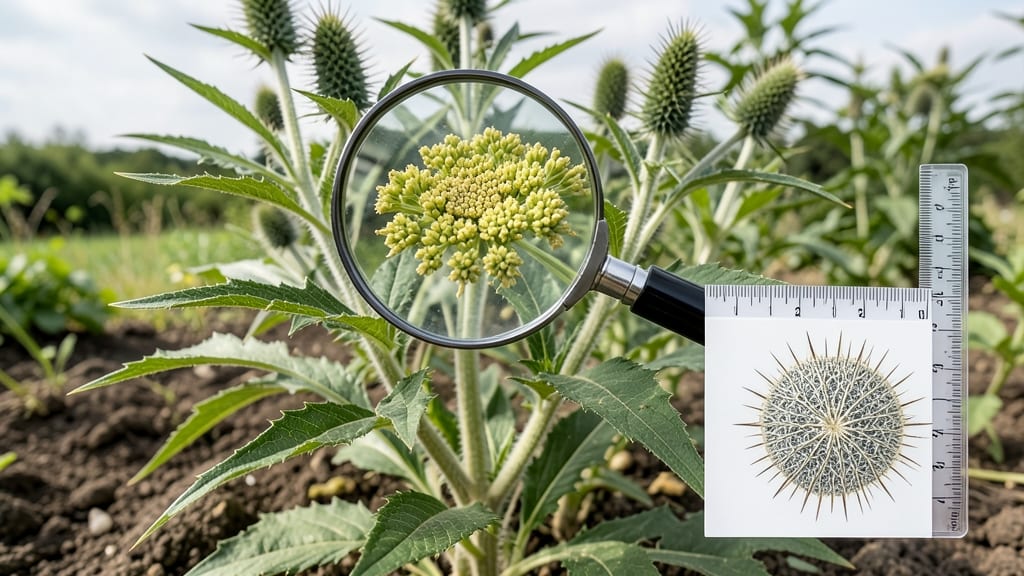
Ragweed does indeed flower, and those tiny green blooms are the source of millions of pollen grains that turn late summer into an allergy nightmare for millions.
If you’ve ever sneezed uncontrollably during late summer and fall, ragweed might be the culprit—but do these notorious pollen producers actually flower? The answer reveals why they’re so aggressive and how to identify them before they take over your yard.
Unlike ornamental flowers, ragweed’s greenish, inconspicuous blooms go unnoticed until they release pollen in massive quantities, often from August through October. These flowers aren’t showy, but their impact is undeniable.
Below, I’ll explain how to spot ragweed before it flowers, why timing matters for allergy sufferers, and the most effective ways to control it before it spreads—so you can breathe easier this season.
When and how ragweed flowers trigger allergies
Yes, ragweed absolutely flowers, and those flowers are the main culprits behind seasonal allergies for millions. Unlike many plants, ragweed produces tiny, inconspicuous flowers that release massive amounts of pollen—up to 1 billion grains per plant each season.
These flowers aren’t showy like daisies or roses, but their pollen is highly allergenic, triggering sneezing, itchy eyes, and congestion for sensitive individuals.
The flowering cycle of ragweed is what makes it so problematic. Unlike annuals that bloom once, ragweed produces flowers continuously from July through October, with peak pollen release occurring in August and September.
This extended timeline means allergy sufferers face symptoms for months, not just weeks. The flowers grow in clusters along the plant’s stems, often going unnoticed until the pollen starts spreading.
Here’s the key connection between flowering and allergies: ragweed’s flowers are wind-pollinated, meaning they don’t need bees or butterflies. Instead, they release lightweight pollen grains that travel for miles on breezes, landing on your skin, clothes, and even inside your home.
This is why ragweed allergies can feel inescapable—the pollen is everywhere once the flowers open.
| Stage | Timing | Pollen Release | Allergy Impact |
|---|---|---|---|
| Seedling | April–May | None | Low (no flowers yet) |
| Early Flowering | Late June–July | Moderate | Mild symptoms begin |
| Peak Bloom | August–September | Highest (1B+ grains/plant) | Severe allergies |
| Late Season | October–Frost | Declining | Symptoms ease |
🌿 Ragweed Flowering & Allergy Timeline
Understanding regional variations is crucial because ragweed’s flowering timing shifts slightly depending on where you live. In the Northeast and Midwest, pollen counts surge in early August, while the South and West see peaks later, sometimes as late as October.
Warmer climates can extend the season, meaning allergy sufferers might face symptoms for nearly 6 months. Even a 10-degree temperature shift can delay or accelerate flowering.
If you’re wondering how to spot ragweed flowers before they cause chaos, look for greenish-yellow blooms clustered along the plant’s stems. These flowers are smaller than a dime and often hidden among the plant’s coarse, jagged leaves.
The key is to act early—once the flowers open, the pollen is already spreading. Removing ragweed plants before July can drastically reduce your exposure.
Here’s a critical tip: ragweed pollen is most concentrated on calm, dry days with low humidity. If you’re outside during these conditions, wear sunglasses and a hat to minimize pollen contact.
Even indoors, ragweed pollen can hitchhike on clothing or pets, so showering after outdoor time helps too. These small habits make a big difference during peak season.
The lifecycle of ragweed is another reason it’s so hard to control. A single plant can produce thousands of seeds, which lie dormant in the soil for years before sprouting. This means even if you remove all the plants today, new ones could pop up next year.
The best defense is a combination of early removal and soil disturbance reduction, like avoiding heavy tilling that brings buried seeds to the surface.
For gardeners in urban or suburban areas, ragweed often thrives in disturbed soils, such as construction sites, vacant lots, or even cracks in sidewalks. If you notice it creeping into your yard, pull it immediately—the deeper the roots, the harder it is to remove.
A gloved hand or weeding tool works best for small patches, while larger infestations may require vinegar-based herbicides or professional help.
Remember, ragweed’s flowering window is your warning sign. By recognizing the timing and appearance of its blooms, you can take proactive steps to reduce pollen exposure and protect your garden—and your sinuses—from its worst effects.
The key is early action, because once those flowers open, the battle against allergies begins.
How to identify ragweed before it flowers (and stop it early)
Spotting ragweed before it flowers is your best defense against those infamous pollen clouds. These weeds start as tiny seedlings in early spring, often hiding among grass or garden beds.
The key is learning their distinctive early signs—like jagged leaves and rapid growth—so you can remove them before they release pollen.
Ragweed seedlings emerge with lobed, fuzzy leaves that resemble tiny maple leaves but with a rough texture. Unlike many weeds, they grow in clusters along disturbed soil, making lawn edges and garden borders prime hunting grounds. Acting early means fewer pollen grains and less sneezing for you.
Does Ragweed Flower?
- Produces millions of pollen grains (peak allergy season)
- Self-pollinating (no need for bees)
- Seeds spread easily via wind
- Triggers severe allergies (August-October)
- Hard to control once established
- Pollen travels miles on wind
🌱 Key Insight: Ragweed’s greenish flowers go unnoticed until pollen release begins—making early identification critical.
To distinguish ragweed from similar plants like lamb’s quarters or pigweed, check for hairy stems and alternate leaf patterns. Ragweed leaves grow opposite each other on the stem, while many weeds have staggered leaves. A quick tug test works too—ragweed’s roots are surprisingly deep for its size.
Your best organic removal method is hand-pulling seedlings in early spring (April-May). Use a weed torch for larger patches, but avoid chemical herbicides near edible plants. Always wear gloves—ragweed sap can irritate skin. Timing is everything: remove plants before they reach 12 inches tall.
For stubborn patches, smother the area with cardboard and mulch to block sunlight. Ragweed can’t compete with thick mulch layers, and this method prevents new seedlings from emerging. Combine this with regular yard inspections, especially after rain, when seeds germinate fastest.
Remember: One ragweed plant can produce 1,000 seeds. Early action isn’t just about allergies—it’s about stopping an invasion before it starts. With these tips, you’ll catch ragweed before it flowers and before it takes over your yard. 🌿