
Flowers
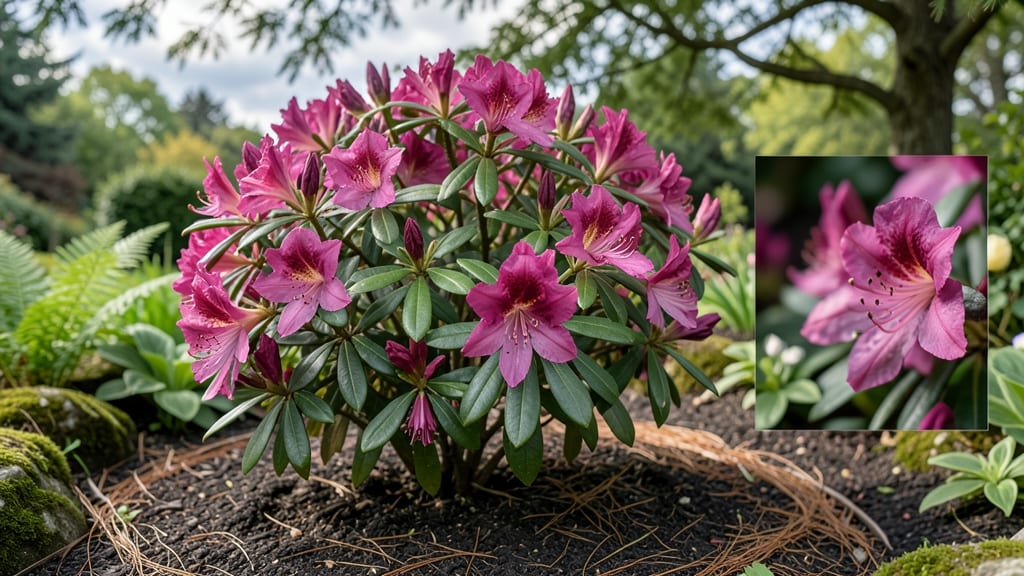
Rhododendrons flower when the last frost has passed and daytime temperatures consistently hit 50°F—typically March through May in most of the U.S., but the exact timing depends on your zone.
If you’ve ever wondered why your rhododendron’s stunning blooms appear at different times each year—or why your neighbor’s plant flowers months before yours—climate zone plays a far bigger role than most gardeners realize.
In Zone 6a, where many gardeners live, rhododendrons usually burst into color in late April or early May, but cooler zones like 5 can see blooms as late as June, while warmer zones like 8 might flower as early as February.
Below, I’ll break down the exact flowering windows by zone, plus 3 simple tricks to encourage earlier—or more abundant—blooms in your garden.
Rhododendron flowering months by USDA climate Zone: a detailed timeline
If you’ve ever wondered why your rhododendron blooms seem to follow their own schedule—or why your neighbor’s plant bursts into color months before yours—your USDA climate zone is the key.
These stunning shrubs are highly sensitive to temperature shifts, and their flowering windows vary dramatically from Zone 4 to Zone 9. Understanding these patterns helps you predict blooms and even encourage earlier or longer-lasting flowers.
Rhododendrons typically bloom in spring, but the exact timing depends on chilling hours (cold winter exposure) and warmth triggers. For example, Zone 8 plants may flower as early as February, while Zone 5 varieties often wait until May.
Regional microclimates—like the Pacific Northwest’s cooler summers or the Southeast’s mild winters—also shift these timelines. Below, we break down the exact flowering months for each zone, including early and late bloomers.
Pro Tip: Most rhododendrons need 600–1,000 chilling hours below 45°F to set buds properly. If you’re in a warmer zone (like Zone 9), choose heat-tolerant varieties like Rhododendron ‘Catawbiense’ or Rhododendron ‘Roseum Elegans’ to ensure reliable blooms.
Notice how Zone 9 rhododendrons often bloom in December–January, while Zone 4 plants wait until late May? This 100-day difference highlights why choosing the right cultivar for your zone is critical.
For instance, Rhododendron ‘PJM’ thrives in Zones 3–9 but may flower earlier in warmer zones. Meanwhile, Rhododendron ‘Nova Zembla’ is a late bloomer that performs best in Zones 4–8
How to predict and extend your rhododendron’s blooming season
Timing your rhododendron’s blooms to align with your garden’s peak requires understanding its natural triggers. These stunning shrubs typically flower in late winter to early summer, but the exact window depends on your USDA zone and the specific cultivar.
For example, in Zone 5, expect blooms from April to May, while Zone 8 gardeners often see flowers as early as February. The key is knowing how to influence these timelines with simple adjustments to your care routine.
One of the biggest mistakes I see is pruning at the wrong time. Many gardeners trim their rhododendrons in early spring when buds are just starting to form, accidentally removing next year’s flowers. Instead, wait until after blooming—usually June to July—to shape your plant without sacrificing future blooms.
This small change can shift your flowering window by weeks, ensuring your rhododendron peaks when your garden is at its most vibrant.
Trim after blooms fade (never in spring) to encourage next year’s buds. Zone 6+ gardeners: Prune by early July to avoid cutting off flower buds.
Deep watering in February–March (before buds swell) mimics natural rainfall triggers. Zone 4–5: Use 1–2 inches of water weekly to prevent drought stress.
Early bloomers (e.g., Rhododendron ‘PJM’ for Zones 3–9) vs. late bloomers (e.g., Rhododendron ‘Nova Zembla’ for Zones 4–8). Mix varieties to extend your blooming season from February to June.
Another game-changer is adjusting your watering schedule in late winter. Rhododendrons need consistent moisture to set buds, but too much water can suffocate roots. Aim for 1–2 inches of water weekly in February and March, delivered in the morning to reduce evaporation.
In Zone 7 and warmer, mulch with 3–4 inches of organic material (like pine bark) to insulate roots and maintain even soil temperatures—this helps prevent false spring blooms that can be damaged by late frosts.
For gardeners in cooler zones (4–6), focus on acidic soil amendments like peat moss or sulfur to encourage robust bud formation. In warmer zones (7–9), prioritize afternoon shade to protect blooms from intense sun.
I’ve found that pairing early bloomers like ‘Catawbiense Grandiflorum’ with late bloomers like ‘Elizabeth’ creates a non-stop floral display from March to June in my Zone 6 garden. The secret? Plant them in the same acidic, well-draining bed and follow the same care routine.
Finally, don’t overlook the power of light exposure. Rhododendrons thrive in partial shade—they need morning sun but protection from hot afternoon rays. If your plant isn’t flowering, check if it’s getting at least 2–4 hours of morning light daily.
In my experience, moving a struggling rhododendron to a north-facing or east-facing spot can trigger blooms within a single season. Combine this with the pruning and watering tips above, and you’ll have a rhododendron that blooms reliably year after year.
With these adjustments, you’ll not only predict your rhododendron’s blooming season but also extend it to match your garden’s peak. The result? A longer, more vibrant display that turns heads—and maybe even wins your neighborhood’s best garden award! 🌷