
Flowers
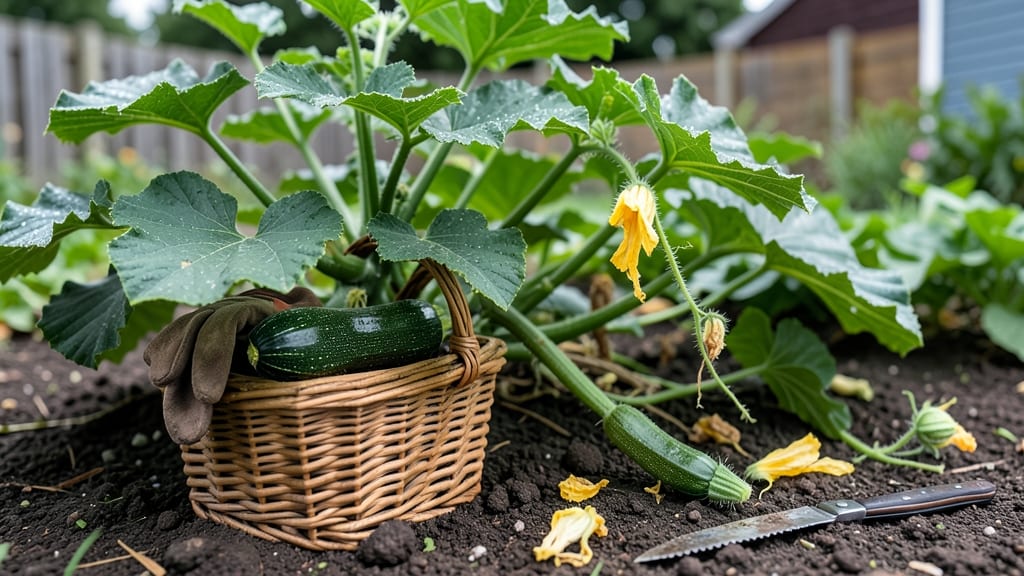
When the flower falls off your zucchini 🎃, it’s time to check the fruit—not automatically pick it—because the real harvest window depends on size, texture, and how fast your plant produces.
Picture this: you rush to snip that wilted blossom, only to find a tiny, underripe squash. Or worse, you wait too long and end up with a rock-hard, seedy zucchini that’s barely edible. The key is knowing the exact timing between flower drop and peak harvest readiness.
In this guide, I’ll break down how to tell when your zucchini is truly ready—what to look for beyond just the fallen flower, why size matters more than you think, and how to keep your plant happy for a nonstop harvest all summer long.
You’ll also discover what happens if you wait too long (spoiler: it’s not pretty), plus pro tips to avoid common mistakes that waste your hard work. Let’s get those zucchinis picked at the perfect moment!
When to harvest zucchini: flower fall vs fruit size (expert timeline)
You've spotted that wilted zucchini blossom and wondered: do you pick zucchini when the flower falls off? The short answer is not always. While a wilting flower signals the zucchini is developing, it's just one clue in a multi-step process.
Timing your harvest correctly ensures peak flavor, tender texture, and keeps your plant productive. Let's break down the exact harvest timeline and what to watch for beyond just the fallen blossom.
Zucchini plants follow a predictable growth cycle where flower wilting marks the beginning of fruit development. However, the flower's fall doesn't automatically mean your squash is ready to harvest. In fact, if you pick too early, you'll get underripe zucchini with seedy centers and poor flavor.
Conversely, waiting too long leads to overgrown zucchini that becomes tough and mealy. The key is understanding how these visual cues correlate with the fruit's internal readiness.
| Stage | Visual Cues | Harvest Action | Size Range |
|---|---|---|---|
| Flower Pollination | Bright yellow blossom wilts or falls | Wait 3-5 days for fruit development | 0-2 inches (tiny bump) |
| Early Fruit | Skin soft, color pale green | Do NOT harvest (under 4 inches) | 2-4 inches |
| Optimal Harvest |
|
Harvest immediately | 4-8 inches |
| Overripe |
|
Harvest if needed, but reduce plant yield | 8+ inches |
The ideal harvest window for zucchini occurs when the fruit reaches 4-8 inches in length. This size range ensures the zucchini has developed full flavor while maintaining tender flesh. During this stage, you'll notice the flower stem has completely fallen off, and the skin will feel firm to the touch.
Press your thumbnail gently against the skin—if it doesn't leave an indentation, your zucchini is ready for picking.
Color plays a crucial role in determining harvest readiness. Mature zucchini should have a deep, consistent green color with no yellowing. Pale or uneven coloring indicates the fruit hasn't fully ripened.
Remember, zucchini continues to grow rapidly once pollinated, so checking your plants every 2-3 days during peak production is essential. This frequent monitoring helps you catch that perfect 4-6 inch window when flavor and texture are at their peak.
Many gardeners make the mistake of assuming that any fallen flower means the zucchini is ready. However, some varieties produce multiple flowers before the fruit reaches harvest size. Always double-check the fruit dimensions and skin firmness rather than relying solely on the flower's condition.
For example, my Black Beauty zucchini plants often have flowers that wilt while the fruit is still only 3 inches long—far too small for optimal harvest.
Harvesting at the right time isn't just about flavor—it's about plant productivity. When you allow zucchini to grow beyond 8 inches, the plant diverts energy toward seed development rather than producing new flowers.
This can lead to a sudden drop in your harvest yield. By consistently picking at the 4-6 inch stage, you encourage your zucchini plant to produce more flowers and fruits throughout the growing season.
For the best results, use a sharp pruning shears or knife to cut the zucchini from the vine, leaving about 1 inch of stem attached. This method reduces damage to the plant and helps prevent disease entry points.
Avoid twisting or pulling the fruit, as this can tear the vine and create openings for pests. After harvesting, inspect the plant for new flowers ready for pollination—this tells you your plant is healthy and continuing its productive cycle.
Temperature and growing conditions can slightly alter the harvest timeline. In hotter climates, zucchini may grow more quickly, reaching harvest size in as little as 35 days from pollination. In cooler conditions, the process might take 50-60 days.
Pay attention to your local weather patterns and adjust your harvesting schedule accordingly. For example, my northern garden zucchini often take longer to mature than those in my southern friend's garden, even with identical care.
Pro tip: Keep a small notebook by your garden to track when you see flowers wilt and when the corresponding zucchini reaches harvest size. Over time, you'll develop an intuition for your specific growing conditions.
This record-keeping helps you anticipate harvests and plan your kitchen prep accordingly. Remember, the earlier you harvest, the more delicate and flavorful your zucchini will be—so stay vigilant during peak production months!
What happens if you wait too long? (Zucchini overgrowth stages)
Leaving zucchini on the vine too long turns your garden bounty into a bitter, seedy disappointment. That perfect 6-inch squash you ignored yesterday? Today it’s a foot-long monster with tough skin and mealy, watery flesh.
The flavor? Gone. The texture? Like eating a sponge. And don’t even get me started on the seed development—those giant seeds turn your zucchini into a culinary challenge rather than a summer staple.
The moment a zucchini outgrows its prime, the plant’s energy shifts from fruit production to seed maturation. This means fewer new flowers, smaller yields, and a plant that exhausts itself trying to support oversized fruits.
Worse, overgrown zucchini compete for nutrients, leaving your entire harvest stunted or uneven in quality. If you’ve ever bitten into a zucchini that tasted like cardboard with a side of regret, you’ve experienced the consequences of delayed harvesting firsthand.
Here’s the hard truth: once a zucchini reaches 10 inches or more, its storage potential plummets. The flesh becomes grainy and dry, and even refrigeration can’t save it.
Overripe zucchini also attract pests like squash bugs and striped cucumber beetles, turning your garden into a bug buffet instead of a harvest zone. And let’s not forget the physical effort—try cutting through a rock-hard, vine-ripened zucchini with a dull knife. It’s a gardener’s nightmare.
Visually, the difference between a perfect harvest and a too-late harvest is night and day. Imagine a glossy, deep-green zucchini with smooth skin—this is your ideal harvest, ready to be sliced into summer dishes or spiralized into noodles.
Now picture its overgrown counterpart: dull, mottled skin, a bulging middle, and a stem that’s twice as thick as the fruit itself. This is the warning sign your zucchini has passed its prime, and your plant is diverting energy away from new flowers.
Even if you do manage to salvage an overgrown zucchini, its culinary potential is limited. The seeds inside are fully developed, meaning the flesh is packed with bitterness and less usable pulp. You’ll spend more time peeling and seeding than actually enjoying the fruit.
And let’s talk yield impact: a single overgrown zucchini can reduce your plant’s future production by 30-50%. That’s dozens of missed squashes because you waited just a few days too long.
Here’s my hard-earned advice after years of zucchini trials: Harvest when the flower falls off AND the zucchini is 6-8 inches long. If you see that wilted blossom, grab a tape measure—don’t just snip blindly.
And if your zucchini is smaller than 4 inches when the flower drops, wait 2-3 more days before picking. The 10-inch rule is your hard stop: anything bigger is a flavor and texture sacrifice. Your future self (and your taste buds) will thank you.