
Flowers
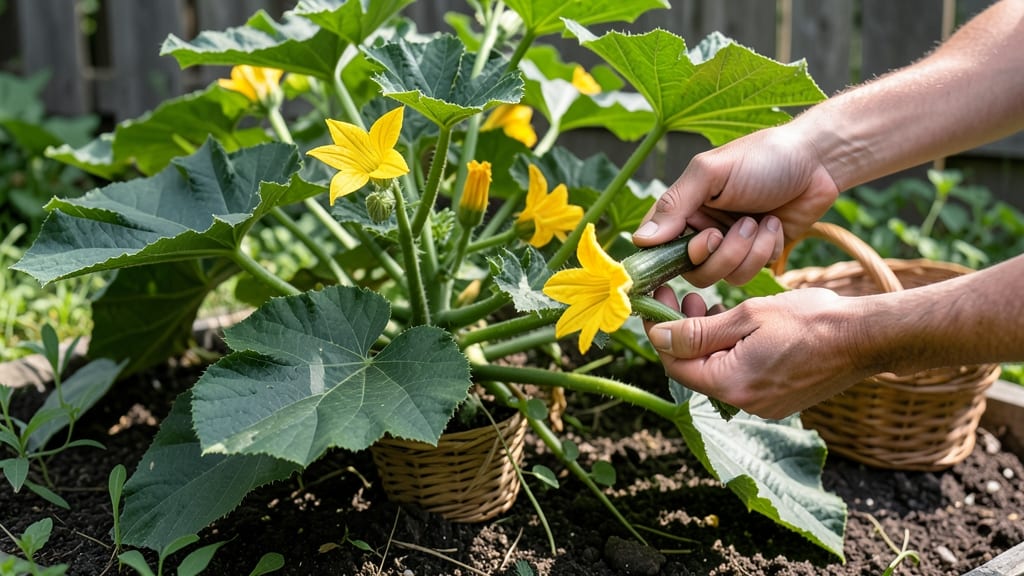
Picking zucchini flowers at the right moment transforms them from garden decorations into delicate, edible treasures—but timing is everything.
If you’ve ever plucked a zucchini bloom only to find it bitter or limp, you know the frustration. The secret lies in harvesting them when they’re fully open yet still firm, a window that lasts just 24 hours before they wilt.
Miss it, and you’ll watch those vibrant yellow petals turn into sad, droopy remnants.
This guide breaks down the best time of day to harvest, how to spot the perfect flower, and why male and female blooms need different handling. Get it right, and you’ll enjoy fresh, crisp flowers for frying, stuffing, or garnishing—plus, you’ll boost your zucchini yield by encouraging more pollination.
Ready to turn your garden into a kitchen? Here’s exactly when to snip—and how to keep the harvest coming all season.
Optimal time to harvest zucchini flowers for peak flavor and texture
Zucchini flowers reach their peak flavor and texture when harvested at the right stage of maturity. The best time to pick them is when they're fully open but still tight and vibrant. This balance ensures the most delicate petals and tender stems, perfect for frying or stuffing.
If you wait too long, the flowers become tough and bitter, while picking too early means you’ll miss their full flavor potential.
Understanding the science of flower maturity is key. Zucchini flowers mature quickly—often within 24-48 hours from opening—so timing your harvest is crucial. The ideal window is when the petals are fully spread but haven’t started to wilt or droop.
This stage guarantees the most aromatic and flavorful blooms, ready for culinary use.
Here’s a quick guide to help you identify the perfect moment to harvest:
| Stage | Visual Cues | Best Time to Harvest | Flavor & Texture |
|---|---|---|---|
| Partially Open | Petals slightly spread, pale yellow | Not ready | Bitter, underdeveloped |
| Fully Open | Bright yellow, petals fully spread | Morning (6-9 AM) | Sweet, tender, peak flavor |
| Overripe | Petals wilted, darkening | Too late | Tough, bitter |
| Male Flowers | Long stem, no zucchini | Morning, fully open | Best for frying |
| Female Flowers | Small zucchini at base | Morning, fully open | Leave for pollination |
The time of day you harvest also matters. Morning is the best time because flowers are cool and hydrated, ensuring the brightest color and crispest texture. Avoid harvesting in the heat of the day, as flowers can become wilting or tough due to dehydration.
If you must pick later, choose flowers that are still firm and vibrant.
Weather plays a critical role in determining the harvest window. After rain or high humidity, flowers may open more slowly, so check them daily for readiness. On hot, dry days, they’ll mature faster, so monitor them closely to avoid missing the peak harvest time.
If a flower feels soft or droopy, it’s past its prime and should be left on the plant.
Harvesting zucchini flowers at the right stage doesn’t just improve flavor—it also boosts your zucchini yield. When you pick male flowers (which lack the tiny zucchini at their base), you encourage the plant to produce more female flowers, leading to a higher fruit harvest.
This is especially useful if you’re growing zucchini for both flowers and vegetables.
Use a clean, sharp pair of scissors or pruners to avoid damaging the plant. Cut the stem at a 45-degree angle, about 1 inch below the flower. This method promotes healthier regrowth and prevents disease from entering the plant.
Always handle flowers gently to preserve their delicate petals, especially if you plan to use them for stuffing or garnishing.
Store harvested flowers in the refrigerator for up to 2 days in a paper towel-lined container to maintain freshness. For longer storage, you can blanch and freeze them, but they’re best enjoyed fresh.
If you’re not using them immediately, trim the stems and store them in a sealed plastic bag with a damp paper towel to keep them crisp.
By mastering the art of timing, you’ll enjoy the best-tasting zucchini flowers all season long. Whether you’re frying them up or using them in salads, the peak flavor and texture come from harvesting at the right moment—fully open, vibrant, and ready to elevate your garden harvest.
How to identify male vs. female zucchini flowers (and why it matters)
Zucchini plants produce two types of flowers—male and female—and knowing the difference isn’t just a fun gardening trick. It directly impacts your harvest! Male flowers appear first and are great for frying, while female flowers hold the potential for zucchini fruits.
If you harvest too many female flowers, you might end up with fewer squash later in the season.
Here’s the key difference: Male flowers grow on long stems with no swelling at the base, while female flowers have a tiny zucchini forming at their base.
This tiny fruit is your telltale sign. Understanding this helps you balance your harvest for both delicious blooms and a bountiful crop of zucchini.
Why does this matter? Male flowers are more tender and flavorful when fried, while female flowers (with their little zucchini buds) are best left on the plant to develop into fruit. If you harvest too many female flowers, you’ll limit your zucchini yield. But if you leave too many, you might end up with overgrown, seedy squash.
To maximize both your flower and fruit harvest, aim to pick male flowers daily in the morning when they’re fully open. This keeps the plant producing more blooms.
For female flowers, only harvest a few if you’re not planning to use them for pollination—leave the rest to develop into zucchini.
Pro tip: If you’re growing zucchini for both flowers and fruit, consider planting extra plants. This way, you can focus on harvesting flowers from one plant while letting others focus on producing squash. It’s a simple trick to ensure you get the best of both worlds!
Remember, pollination is key for fruit development. If you harvest too many female flowers, you might need to hand-pollinate the remaining ones using a small paintbrush to transfer pollen from male to female flowers.
This ensures you still get a good crop of zucchini even if you’re harvesting a lot of blooms.