
Vegetables
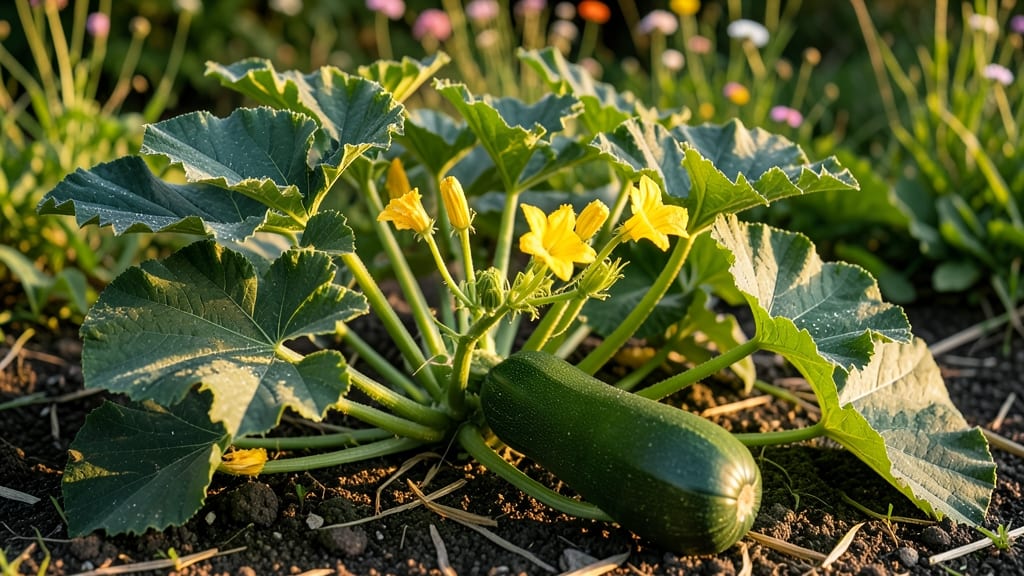
Growing round green zucchini squash turns your garden into a summer bounty factory—year-round harvests through frost with almost no extra effort. 🌱 I’ve grown these varieties for years, and they’re the secret weapon behind my neighbor-jealousy levels of zucchini production. The key?
A few simple tweaks to soil, spacing, and watering that most guides skip. These squash thrive in full sun and well-draining soil, but they’re surprisingly forgiving—even if you forget to water occasionally.
Start seeds indoors 4-6 weeks before last frost or plant transplants after soil warms to 60°F, and you’ll see vines sprawling within weeks. The real magic happens when you let them grow full-size: round, glossy green fruits that stay tender longer than their long cousins.
By mid-summer, you’ll be harvesting 2-3 squash per plant weekly, with minimal effort. The plants keep producing until frost if you keep them healthy, and the flavor? Buttery, sweet, and perfect for everything from grilling to spiralizing. Even my black thumb can’t kill these.
Works in containers, raised beds, or in-ground plots—just give them 3-4 feet of space and consistent moisture. Here’s how to set it up for maximum yield without the usual zucchini overload.
📚 In This Guide
- What you need
- Instructions
- Tips and common mistakes
- Wrapping up and next steps
What you need
- ● Seeds or Seedlings: Round green zucchini squash seeds (e.g., ‘Eight Ball’ or ‘Ronde de Nice’) – 3-5 seeds per plant (or 1-2 seedlings if starting with transplants).
- ● Growing Space: Full sun (6-8 hours daily) in a well-draining soil bed (raised beds or in-ground).
- ● Container option: A 5-gallon pot or larger (minimum 12" deep) with drainage holes.
- ● Soil: Rich, loamy soil with a pH of 6.0-7.0. Mix in compost (2-3 cups per planting hole) for nutrients.
- ● Fertilizer: Balanced organic fertilizer (e.g., 10-10-10) – 1 tbsp per plant at planting.
- ○ Compost tea or fish emulsion (optional, for a mid-season boost).
- ● Gardening Tools: Trowel or small shovel for planting.
- ○ Garden gloves (optional but recommended!).
- ● Watering can or hose with a gentle nozzle.
- ○ Support (Optional): Small stakes or cages (if vines get heavy—though round zucchini squash are typically bushy).
- ● Mulch: Straw or shredded leaves (2-3 inches thick) to retain moisture and suppress weeds.
- ● Pest Control (Prep-Only): Neem oil or insecticidal soap (for aphids/squash bugs—use sparingly!).
- ● Last Frost Date: Plant seeds 1-2 weeks after your area’s last frost (or start indoors 4-6 weeks early if cold).
- ● Hardiness: Thrives in USDA Zones 3-11—even tolerates light frost!
- ● Spacing: 2-3 feet apart (or 18-24" in containers).
Step-by-step instructions for growing round green zucchini squash
Here’s how I grow zucchini that produces bushels of sweet, round fruit with almost no fuss—even in cooler climates.
🌱 Step 1: Choose the Right Variety and Planting Time
Select a bush-type variety like 'Eight Ball' or 'Ronde de Nice' for compact growth and fewer vines to manage. These types thrive in containers or small gardens and produce the classic round green zucchini you love. Plant seeds directly in the garden after the last frost when soil reaches 60°F—cold soil slows germination and invites rot.
I always wait until nighttime temperatures stay above 55°F to avoid stunted growth. If your spring is slow to warm, use black plastic mulch a week before planting to accelerate soil heating. This step ensures strong roots and faster fruit production—no waiting months for harvests.
☀️ Step 2: Prepare Soil and Plant for Maximum Yield
Zucchini craves rich, well-draining soil with plenty of organic matter. Work 2-3 inches of compost into the top 6 inches of soil before planting. These plants are heavy feeders, so I mix in a 5-10-10 fertilizer at planting time to give them a nutrient boost right away. Avoid fresh manure—it burns tender roots.
Dig holes 1 inch deep and plant 2-3 seeds per hole, spacing them 2 feet apart in rows 4-5 feet apart. Thin to the strongest seedling once they’re 4 inches tall. Water deeply after planting to settle the soil and encourage root growth. You’ll see new leaves within 7-10 days—that’s your signal everything’s working.
💧 Step 3: Water and Feed for Consistent Production
Keep soil evenly moist—never soggy—by watering at the base 1 inch per week, more during fruit development. I water in the early morning to reduce fungal risks. Zucchini plants wilt easily in heat, so mulch with 2-3 inches of straw to retain moisture and keep roots cool. This prevents blossom-end rot and cracked fruit.
Feed every 3-4 weeks with a balanced liquid fertilizer (like fish emulsion) to keep production strong. You’ll notice vines thicken and leaves stay dark green—this means the plant is happy and ready to produce. Watch for yellowing leaves on older growth; that’s normal as the plant focuses energy on new fruit.
✂️ Step 4: Prune and Harvest for Nonstop Yield
Remove any flowers that appear before fruit sets to encourage more robust growth. Once fruit forms, harvest every 2-3 days—zucchini grows fast, and letting them get bigger than 6 inches makes them tough and seedy. Use a sharp knife or pruners to cut stems cleanly; this prevents disease entry points.
Here’s the thing—zucchini plants keep producing as long as you keep harvesting. I’ve had vines still yielding into October with proper care. If frost threatens, cover plants with frost cloth or move containers indoors to a sunny spot. Even after frost, you can dig up the roots and store them in a cool, dark place for 2-3 weeks of continued harvests.
🌿 Step 5: Overwinter and Extend the Season
In mild climates, zucchini can survive light frosts. I leave plants in the ground until 20°F, then harvest any remaining fruit. For colder zones, dig up healthy plants before the first frost, shake off soil, and store roots in a 50°F basement wrapped in damp burlap. Check weekly—you’ll often find new shoots ready to regrow in spring.
This method lets me start fresh plants in March and keep harvesting until November, with minimal effort. The key is consistent care: water, feed, and harvest regularly. Before you know it, you’ll have more zucchini than you can handle—just like my neighbors every summer!
Tips & tricks for growing perfect round green zucchini
These simple strategies will help you grow the sweetest, roundest zucchini with minimal effort—no gardening degree required.
Soil Temperature is Everything: The 60°F soil temperature threshold isn't just arbitrary—it's when zucchini seeds finally wake up from dormancy. I've learned this the hard way after planting too early in cool springs. Use a soil thermometer to confirm temperatures before planting. If you're in doubt, wait a few more days rather than risking rot or slow germination. The black plastic mulch trick really works—it can raise soil temperatures by 5-10°F within days, giving your seeds the jumpstart they need.
Planting Density Matters: Those 2-3 seeds per hole might seem excessive, but it's a smart insurance policy. Zucchini seeds don't always germinate perfectly, and you want at least one strong plant per spot. When thinning to the strongest seedling at 4 inches tall, don't pull—cut them at soil level to avoid disturbing the root system of your winner. This might seem like overkill, but it's what separates gardeners with a few zucchini from those with bushels.
Watering Wisdom: The 1 inch per week guideline is perfect, but timing matters just as much. Watering in the early morning gives plants all day to absorb moisture before evening humidity sets in. I've seen fungal diseases completely wiped out just by changing watering times. And that 2-3 inches of straw mulch isn't just for looks—it keeps roots cool in summer heat and prevents soil-borne diseases from splashing onto leaves during watering.
Harvesting Hack: Those 2-3 day harvest intervals might seem frequent, but zucchini grow at lightning speed. I keep a small basket by the door and check plants every morning—this prevents the fruit from becoming tough and seedy. The secret is to harvest when they're 4-6 inches long. At this size, they're sweetest and most tender. And here's a bonus tip: Use a sharp knife or pruners to cut stems cleanly—this prevents disease entry points and makes the plant focus energy on producing more fruit rather than healing wounds.
Pro Tips for Round Green Zucchini Squash
- These simple strategies will help you grow the sweetest, roundest zucchini with minimal effort—no gardening degree re...
- Soil Temperature is Everything: The 60°F soil temperature threshold isn't just arbitrary—it's when zucchini seeds fin...
- Planting Density Matters: Those 2-3 seeds per hole might seem excessive, but it's a smart insurance policy. Zucchini ...
Frequently asked questions
about round green zucchini squash—because growing and harvesting this versatile veggie can spark curiosity! Here are answers to the most common questions to help you succeed.How do I tell if my round green zucchini squash is ready to harvest?
Harvest when the fruit is firm, glossy, and about the size of a tennis ball (6–8 inches in diameter). If left too long, they’ll turn tough or develop seeds. Check plants every 2–3 days in peak season—consistency is key!
Can I eat round green zucchini squash raw, or is it better cooked?
Both! Young, tender squash can be eaten raw in salads (peeled if skin is tough). Mature squash shines in roasted dishes, soups, or grilled skewers. Pro tip: The riper the squash, the sweeter and more flavorful it becomes when cooked.
Will round green zucchini squash survive frost, or should I harvest before cold weather?
While it’s frost-tolerant, it thrives best in warm weather. Harvest before the first frost (or when temps drop below 30°F) to avoid bitter, mushy fruit. If frost hits, pick all remaining squash—they’ll keep for months in a cool, dark place!
What’s the best way to store round green zucchini squash long-term?
Store whole, unwashed squash in a cool (50–55°F), dark, and humid (85–90% humidity) space like a root cellar or fridge. They’ll last 2–3 weeks. For longer storage, cure in the sun for 2–3 days, then store in a dry place—they’ll keep for months!
What can I do if my round green zucchini squash plants stop producing?
Lack of production often stems from overcrowding, poor pollination, or nutrient deficiency. Thin plants to 12–18 inches apart, hand-pollinate flowers (use a paintbrush!), and fertilize with compost or a balanced veggie feed. Patience pays off—healthy plants bounce back!
Wrapping up and next steps
Growing round green zucchini squash is a rewarding journey—yielding a bountiful harvest with surprisingly little effort! Whether you’re a seasoned gardener or a beginner, these versatile squashes thrive in diverse climates and adapt to minimal care.
Their frost tolerance and year-round potential make them a must-have for any garden, offering both nutritional benefits and culinary creativity.
Ready to put your newfound knowledge into action? Start by selecting the perfect spot in your garden, gather your supplies, and plant your seeds or seedlings this season. With a little patience and love, you’ll soon be enjoying homegrown squashes—fresh, flavorful, and free from the grocery store! 🌱