
Flowers
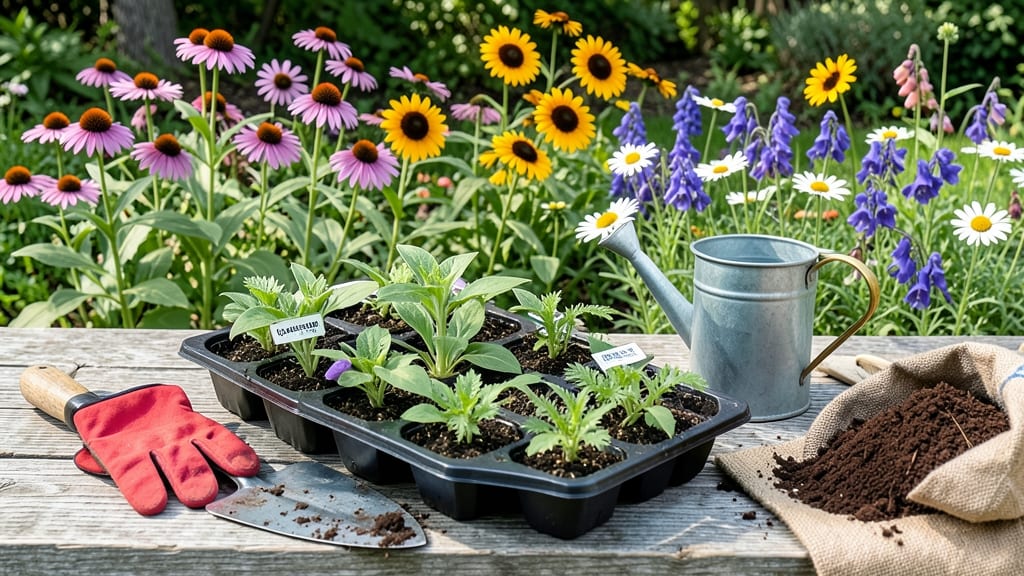
You can plant flowers in Colorado once the soil warms to 50°F and the last frost has passed—typically late April to mid-June for most regions, with fall replanting in August to September.
Colorado’s diverse climate—from high-altitude mountains to arid plains—means your flower planting schedule must adapt to avoid frost damage or missed blooms. Get the exact zone-specific timeline to maximize your garden’s beauty without wasting time or seeds.
In USDA Zones 5-7, timing varies: Denver’s Front Range waits until May 1, while Grand Junction’s Western Slope can start as early as April 15.
Perennials like coneflowers thrive when planted in spring or early fall, while annuals like zinnias need the warmth of June or July.
Below, I’ll break down the best months for your location, soil prep tips, and how to extend your blooming season—so you can enjoy vibrant flowers from May through October.
Colorado planting zones: when to start flowers by USDA zone (4-8)
Colorado’s USDA zones 4-8 create a unique gardening puzzle, where Denver’s 5b meets Grand Junction’s 7a and Colorado Springs’ 6a. These zones dictate when to plant annuals, perennials, and bulbs to avoid late spring frosts or early fall freezes.
High-altitude areas like Boulder (5a) often have 2-3 weeks later last frost dates than Pueblo (6b), so timing matters.
For annual flowers, wait until 2-3 weeks after your average last frost date—typically mid-May in Denver but early April in Grand Junction. Perennials can go in the ground as early as early April in lower elevations, while tender bulbs like dahlias should wait until after Memorial Day in zone 5 areas.
Understanding these microclimates is key to successful blooms.
Here’s a quick reference for Colorado’s frost-free windows by zone, including high-altitude adjustments for cities like Fort Collins (5a) and Colorado Springs (6a):
| Zone & Location | Last Frost Date | First Frost Date | Best Planting Window | Fall Planting Window |
|---|---|---|---|---|
| Zone 4 (Fort Collins, Steamboat) | May 10–15 | September 25–October 5 | Late May–Early June | August 1–15 |
| Zone 5 (Denver, Boulder) | April 25–May 10 | October 1–15 | Mid-May–Early June | July 20–August 10 |
| Zone 6 (Colorado Springs) | April 15–20 | October 15–25 | Late April–Early May | July 1–15 |
| Zone 7 (Grand Junction, Pueblo) | March 15–April 5 | November 1–15 | Early April–Mid-May | June 15–July 10 |
| Zone 8 (Alamosa, Durango) | February 28–March 15 | November 15–December 1 | Late March–Early April | May 15–June 10 |
In zone 4 (Fort Collins), hardy annuals like pansies and snapdragons can handle early May planting, while zone 7 (Grand Junction) gardeners can start marigolds and zinnias as early as mid-March.
For perennials like coneflowers, divide and transplant in early spring (April) or early fall (September) to give roots time to establish before winter.
Bulbs add another layer—tulips and daffodils in zone 5 should be planted by October 15, while dahlias and cannas (tender bulbs) wait until after Memorial Day. High-altitude gardens (5,000+ ft) like those in Boulder may need to extend the season with row covers or cold frames for heat-loving flowers like petunias.
Pro tip: Use Colorado State University’s frost date maps to fine-tune your schedule. For example, Denver’s last frost can vary by 10 days between sheltered microclimates (like south-facing slopes) and cold sinks (like valleys
Best flowers to plant by month in Colorado (March–October)
Colorado’s variable climate demands a strategic approach to planting flowers. March kicks off the season with hardy cool-season blooms, while October offers a second chance for fall favorites. Whether you’re growing in containers or in-ground, timing is everything to avoid frost damage or wasted seeds.
Let’s break down the best flowers to plant each month, tailored to Colorado’s unique growing conditions.
For container gardens, start with pansies and snapdragons in early spring, as they tolerate cooler temperatures.
In-ground planting can begin after the last frost date, typically mid-April to early May, depending on elevation. Heat-tolerant annuals like zinnias and marigolds thrive when planted in late May to June, while perennials such as coneflowers and lavender can be established in spring or early fall for best results.
For high-altitude gardens (e.g., Denver or Boulder), delay planting until 2-3 weeks later than lower elevations. Western Slope areas (e.g., Grand Junction) can plant earlier, as frost dates vary significantly. Always check your local last frost date and adjust accordingly.
Container gardens offer flexibility—plant pansies and calendulas in March for early color, then swap out for heat-tolerant varieties like petunias in June. This succession planting strategy ensures continuous blooms all season long.
Don’t forget to amend your soil