
Blooming
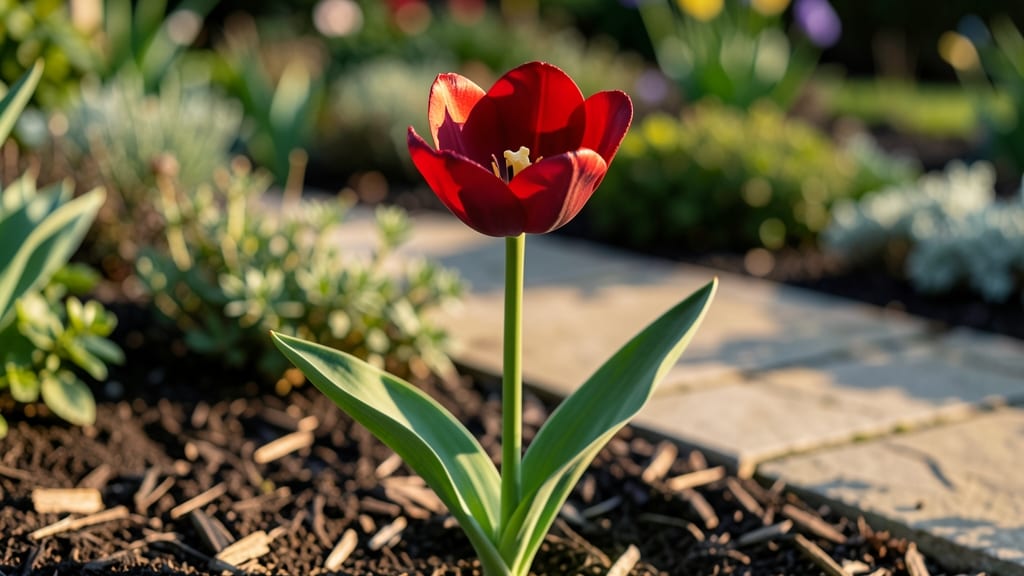
Tulips bloom in the tulip flower blooming season, turning your garden into a splash of color—but the exact timing depends on your zone, variety, and a few sneaky tricks.
If you’ve ever dreamed of waking up to a vibrant explosion of tulips in your garden, timing is everything—planting too early or late can mean missed blooms. But knowing exactly when tulips bloom in your region (and which varieties last longest) can turn your spring into a nonstop floral show.
In Zone 6a (like most of the U.S.), tulips typically burst into bloom between April and May, but cooler zones like 3-5 see them as early as March, while warmer zones (7-10) stretch blooms into June.
The key? Choosing the right varieties and planting them at the perfect depth for your climate.
Below, I’ll break down the best months for tulip blooms by zone, share my top picks for early and late bloomers, and reveal how to force them to flower earlier—or keep them going longer—so you get weeks of color instead of just a few days.
Tulip blooming season by USDA hardiness Zone: exact months for peak color
Timing is everything when it comes to tulip blooms—planting in the wrong zone or missing the ideal window can mean skipping the show-stopping color you crave. Tulips thrive in USDA Zones 3-10, but their bloom windows shift dramatically depending on your climate.
In colder zones like Zone 3, tulips may burst into bloom as early as late April, while in warmer Zone 10, they might not peak until March. Understanding these variations lets you plan for a sequential floral display that lasts weeks.
Climate plays a huge role—warmer zones with milder winters often see earlier blooms, while colder zones with late frosts delay the show. Even within a single zone, microclimates (like urban heat islands or shaded spots) can shift bloom times by 1-2 weeks.
For example, a Zone 6 garden in Denver might bloom 2 weeks earlier than one in Chicago due to different frost patterns. Knowing these nuances helps you stack varieties for a nonstop color parade from early spring to late May.
Here’s the key: Early bloomers like Queen of Night or White Dream often appear first, followed by mid-season favorites like Darwin Hybrids, and finally late bloomers such as Fosteriana varieties.
In Zone 4, you might see early tulips in late April, while Zone 9 gardens could still be enjoying late blooms in mid-May. The secret? Plant a mix of early, mid, and late varieties to extend your season by 6-8 weeks.
If you’re in a warmer zone like Zone 9 or 10, tulips may bloom earlier in the year but could struggle with heat stress if temperatures rise above 85°F. To combat this, plant shade-tolerant varieties like Fringed tulips or choose late-season bloomers that avoid peak summer heat.
In contrast, cooler zones (Zone 3-5) benefit from early spring sunlight, so focus on hardy varieties like Kaufmanniana or Greigii that thrive in cold snaps.
Adjusting your planting schedule based on your zone can make all the difference. For example, in Zone 6, plant bulbs in October for a March-April show, while Zone 9 gardeners should plant in November to avoid
Best tulip varieties for extended blooming: from early to late season
If you love tulips but hate waiting for a single burst of color, the solution is simple: plant a mix of early, mid, and late-season varieties. This strategy stretches your blooming season from March straight through May, creating a cascading floral display that keeps your garden vibrant longer.
The key is choosing reblooming types and understanding their natural timelines to maximize your garden's potential.
Early bloomers like Queen of Night and Ice Queen burst into color as soon as snow melts, while late-season Darwin Hybrid varieties like Apeldoorn hold onto their petals well into summer.
For me, the secret to a longer tulip season lies in pairing these varieties with proper care—like avoiding overwatering and mulching heavily to protect bulbs from temperature swings.
Here’s my curated list of top-performing tulip varieties categorized by bloom time, including care tips to extend their display. Whether you’re in a cold USDA Zone 3 or a milder Zone 8, these picks will give you weeks of continuous color with minimal effort.
For reblooming tulips, focus on species tulips like Tulipa tarda or Tulipa clusiana, which naturally return year after year. These varieties thrive in partial shade and often bloom in both spring and fall.
My go-to trick? Plant them near hostas or ferns to create a layered, long-lasting border that stays beautiful well beyond their blooming window.
To extend the season even further, avoid cutting tulips until they’ve finished blooming. Instead, let the petals fade naturally, then deadhead spent blooms to encourage stronger foliage growth. This simple step ensures your bulbs store enough energy for next year’s show.
For me, the difference between a one-season flash and a multi-year spectacle comes down to these small but critical care habits.
Pro tip: Pair your tulips with alliums or grape hyacinths, which bloom at slightly different times. This creates a **textured, ever-changing