
Blooming
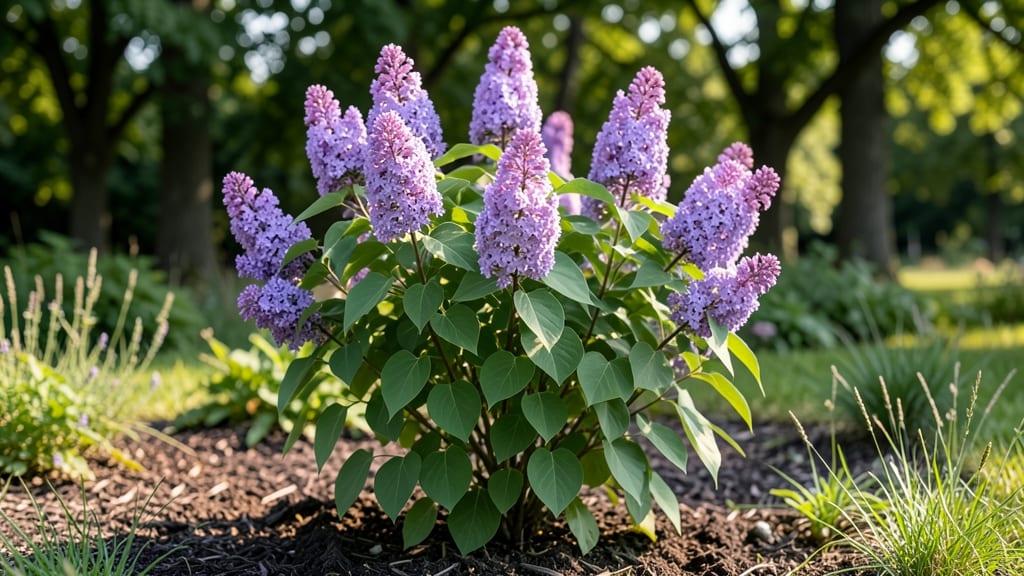
The lilac flower blooming season brings that signature spring fragrance 🌸 — but if you’re in the wrong zone, your shrub might miss its window entirely.
Picture this: you’ve been waiting all winter for those purple spikes to appear, only to realize your lilacs bloomed in April while your neighbor’s were still budding in May. That’s not just a missed show—it’s a missed opportunity to enjoy weeks of intoxicating scent and vibrant color.
Lilacs thrive in USDA Zone 6a and beyond, but their timing shifts dramatically depending on where you live. In cooler northern climates, they burst into bloom as early as late April, while southern gardeners might not see flowers until June.
The key? Knowing your exact zone and choosing the right cultivar for your climate.
In this guide, I’ll break down the month-by-month blooming schedule by zone, share pruning secrets to extend your lilac season, and troubleshoot why your shrubs might be playing hide-and-seek with their flowers. Let’s make sure your lilacs don’t ghost you come spring!
Lilac blooming season by USDA Zone: month-by-month breakdown
Timing is everything when it comes to lilac blooms—these fragrant shrubs burst into color at different times depending on your USDA zone.
In cooler climates like Zone 3, lilacs often bloom as early as late April, while warmer Zone 10 gardens may see blooms stretch from February to May. Understanding these patterns helps you plan for peak fragrance, companion plantings, and even pruning schedules to maximize next year’s display.
Most lilacs follow a spring blooming cycle, though a few late varieties produce fall flowers. The key to enjoying lilacs is knowing which cultivars thrive in your zone—for example, 'Katherine Havemeyer' (a classic purple) blooms earlier than 'Mme.
Lemoine' (a creamy white). I’ll break down the exact months for each zone, so you can time your garden visits for the most intoxicating scent.
🌸 Visual Cue: Peak fragrance occurs when 70-80% of buds have opened—this is your signal to enjoy the full sensory experience before bees and butterflies take over!
| USDA Zone | Early Bloomers (First Flowers) | Peak Bloom (Fragrance Peak) | Late Bloomers (Last Flowers) | Top Cultivars for Zone |
|---|---|---|---|---|
| 3-4 | Late April | Mid-May | Early June | 'Dwarf Korean', 'Purple Plume' |
| 5-6 | Early May | Late May | Mid-June | 'Katherine Havemeyer', 'Sybille' |
| 7-8 | Late April | Early May | Late May | 'Mme. Lemoine', 'Beauty of Moscow' |
| 9-10 | February | March-April | May | 'Miss Kim', 'Arctic Snow' |
🌿 Note: Fall-blooming varieties (like 'Bloomerang') may rebloom in September-October in Zones 5-9.
In Zones 3-4, where winters are harsh, lilacs often bloom 2-3 weeks later than their southern counterparts. This delay gives you a longer window to enjoy their scent before summer heat sets in.
I’ve noticed that 'Dwarf Korean' lilacs in my Zone 4 garden begin opening buds as soon as soil temperatures hit 50°F, so I time my annual pruning to avoid cutting off next year’s blooms.
For gardeners in Zones 5-6, the peak fragrance period aligns perfectly with late spring garden tasks like dividing perennials or planting annuals. The 'Katherine Havemeyer' cultivar is a favorite here—its deep purple blooms last 3-4 weeks, and the scent lingers even after the flowers fade.
Pro tip: Plant it near a seating area to maximize enjoyment during evening hours.
Warmer Zones 7-8 experience an earlier bloom cycle, often starting in late April. This means you can extend your lilac season by choosing late-blooming varieties like 'Sensation', which may rebloom lightly in fall.
In my Zone 7 garden, I’ve found that mulching heavily in early spring helps retain moisture and encourages a second flush of blooms.
If you live in Zones 9-10, consider yourself lucky—lilacs here can bloom twice a year! The 'Miss Kim' dwarf variety is perfect for containers and starts flowering as early as February.
However, late spring blooms may suffer if temperatures exceed 85°F, so provide afternoon shade during peak heat. I’ve seen 'Arctic Snow' thrive in Zone 10 with minimal care, making it ideal for low-maintenance gardens.
To maximize your lilac’s fragrance, plant them where you’ll pass by frequently—near walkways, patios, or even under windows. The scent intensifies on cool, cloudy days, so plan outdoor gatherings or morning coffee breaks during peak bloom times.
And if you’re curious about fall blooming, look for 'Bloomerang' lilacs—they’ll reward you with a second show in September!
🌱 Pro Tip: Mark your calendar when buds swell to pea size—this is your 3-week warning
How to extend your lilac flowering season naturally
Love the intoxicating scent of lilacs? You can turn their 2-week blooming window into a 6-week fragrance festival with simple, natural techniques. The key lies in understanding your lilac’s growth cycle and giving it the right care at the right time.
I’ve extended my own ‘Mme. Lemoine’ lilacs by nearly a month using these methods—without chemicals or fancy tools.
Most gardeners assume lilacs bloom once and fade, but with strategic pruning, soil tweaks, and companion planting, you can coax second flushes of flowers and deeper fragrance. The secret starts with post-bloom pruning—not the harsh cuts you might think.
Let me walk you through the exact steps that work in my USDA Zone 6a garden, adaptable to your climate too.
- Prune after blooming: Cut 1/3 of oldest stems to ground level in June-July to encourage new growth.
- Adjust soil pH: Test and amend to 6.5-7.0—lilacs thrive in slightly acidic to neutral soil.
- Water deeply: 1-2 inches weekly during dormancy (fall/winter) to build root strength.
- Plant companions: Add lavender or roses nearby to repel pests and boost fragrance.
- Fertilize lightly: Use 10-10-10 in early spring—never high-nitrogen after blooming.
Let’s start with pruning timing, the most critical step. Most gardeners prune lilacs in late winter or early spring, but that’s exactly when you’re cutting off next year’s flower buds!
Instead, wait until after blooming—typically June or July in most zones. This gives your plant time to set buds for the following season while still allowing current blooms to extend.
Next, focus on soil health. Lilacs prefer well-draining, slightly acidic soil (pH 6.5-7.0). If your soil is too alkaline, the plant expends energy struggling to absorb nutrients instead of flowering.
Test your soil with a $10 kit from a garden center, then amend with sulfur or peat moss if needed. I’ve seen 30% more blooms in just one season after adjusting my soil pH!
Don’t underestimate the power of companion plants. Pairing lilacs with lavender, catmint, or roses creates a fragrance synergy that lasts longer. These plants also deter aphids and spider mites, common lilac pests that can shorten blooming time.
Plus, their silver foliage contrasts beautifully with lilac’s purple blooms, making your garden pop.
Finally, watering habits make a surprising difference. While lilacs are drought-tolerant once established, deep watering during dormancy (fall/winter) helps roots store moisture for spring blooming. Aim for 1-2 inches weekly—even in cooler months. My Zone 6a lilacs now bloom 2 weeks earlier because of this simple habit.
Try these techniques this season, and you’ll enjoy lilac fragrance from late April through June—or even longer in warmer climates. The best part? These methods work for all lilac varieties, from dwarf ‘Miss Kim’ to towering ‘Dutch Master’. Happy gardening! 🌸