
Flowers
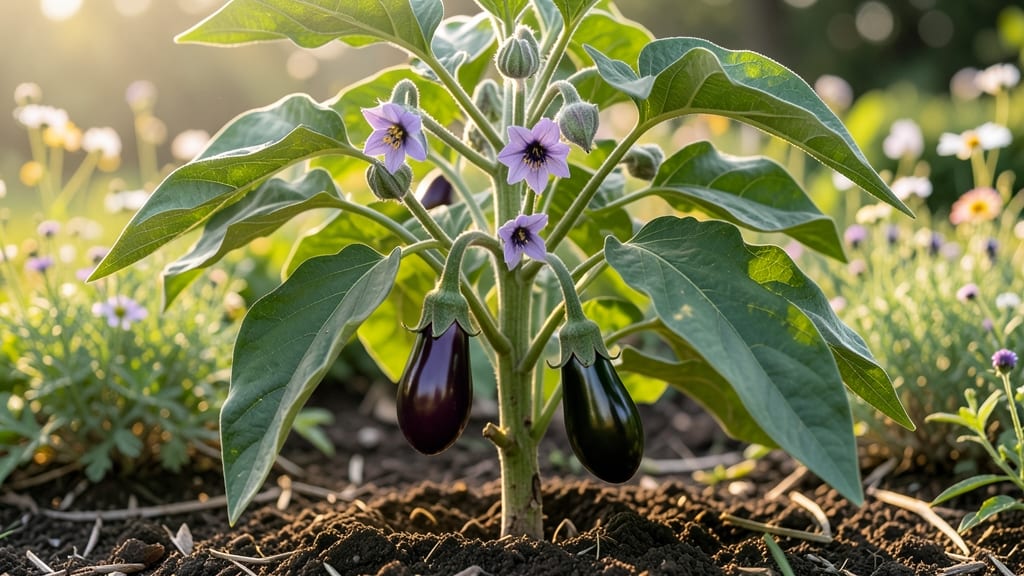
Eggplant flower buds dropping before they bloom is one of the most frustrating setbacks for gardeners — but with the right approach, you can turn that around.
Picture this: you’ve nurtured your 🍆 plants through spring, watched them thrive, and then—poof—those delicate buds vanish overnight, leaving you wondering what went wrong. The truth is, bud drop isn’t just about luck.
It’s usually a sign your plants need a little extra care in the right areas, whether it’s water, nutrients, or even a gentle nudge to pollinate.
In this guide, I’ll break down the top reasons eggplant buds drop and how to fix them—so you can go from disappointed gardener to proud harvest in no time. We’ll cover everything from adjusting your watering routine to choosing the best varieties that naturally resist bud drop.
By the end, you’ll know exactly what your plants need to bloom, pollinate, and produce those glossy eggplants you’ve been dreaming of. Let’s get those buds to stick!
5 Common reasons eggplant flower buds drop before blooming
Watching your eggplant plants grow strong leaves and stems, only to have flower buds drop before blooming, can feel like a cruel twist of fate. This frustrating issue often stems from subtle imbalances in your plant's environment or care routine.
The good news? Most causes are easily identifiable—and fixable—once you know what to look for. Let’s break down the top 5 culprits behind bud drop and how to spot them in your garden.
Eggplants are sensitive to their surroundings, and even minor shifts in temperature, watering, or nutrient levels can trigger buds to abort. Understanding these triggers helps you adjust your approach before it’s too late.
For example, temperature fluctuations between day and night can confuse your plant’s hormonal signals, while overwatering or underwatering disrupts nutrient uptake. Let’s tackle each reason one by one.
🌱 5 Key Reasons Eggplant Buds Drop
- 1. Temperature Stress: Buds drop when daytime temps exceed 90°F or nighttime temps fall below 55°F. Eggplants thrive in 70-85°F ranges.
- 2. Watering Imbalances: Overwatering causes root rot, while underwatering stresses the plant. Aim for 1-1.5 inches of water per week.
- 3. Nutrient Deficiencies: Lack of phosphorus or calcium weakens buds. Use a balanced fertilizer (10-20-10) during flowering.
- 4. Hormonal Imbalances: Too much nitrogen promotes leafy growth at the expense of flowers. Switch to a phosphorus-rich fertilizer.
- 5. Pollination Issues: Poor air circulation or lack of bees/wind can cause buds to drop. Hand-pollinate if needed.
Let’s start with the most common issue: temperature stress. Eggplants are tropical plants that struggle when temperatures swing outside their ideal range. If your garden experiences hot afternoons or cool evenings, your buds may drop before they even open.
For instance, if daytime temps hit 95°F or nighttime temps dip below 50°F, your plant’s metabolic processes slow down, causing buds to abort. To combat this, provide afternoon shade with lightweight row covers or mulch heavily to keep roots cool.
Next up is watering imbalances, which can be just as damaging as temperature extremes. Eggplants need consistent moisture, but their roots are sensitive to both drought stress and waterlogged soil.
Overwatering leads to root rot, cutting off nutrient flow to the buds, while underwatering causes buds to dry out and drop. To strike the right balance, water deeply once or twice weekly, ensuring the top 2 inches of soil dry out between waterings.
Use a moisture meter to monitor soil conditions accurately.
Another hidden culprit is nutrient deficiencies, particularly a lack of phosphorus or calcium. These nutrients are critical for bud development and fruit set. If your soil test reveals low phosphorus levels, switch to a phosphorus-rich fertilizer (like 10-20-10) and apply it every 4-6 weeks during the flowering stage.
Additionally, a deficiency in calcium can cause buds to drop prematurely. To prevent this, add crushed eggshells or calcium nitrate to your watering routine.
Hormonal imbalances often go unnoticed but play a huge role in bud drop. When your eggplant receives too much nitrogen, it prioritizes leafy growth over flower production. This imbalance can be corrected by shifting to a low-nitrogen, high-phosphorus fertilizer once buds begin to form. Look for fertilizers labeled for flowering plants or use a compost tea to gently boost nutrient balance without overwhelming your plant.
Lastly, pollination issues can cause buds to drop if they aren’t successfully fertilized. Eggplants rely on bees, wind, or gentle vibrations to pollinate their flowers. If your garden lacks pollinators, you can hand-pollinate by lightly tapping the flower stems with a small brush or your finger.
This mimics the natural process and encourages fruit set. Additionally, ensure good air circulation around your plants to prevent fungal diseases that can further stress the buds.
Now that you’ve identified the most likely causes, the next step is to diagnose your specific situation. Start by monitoring your temperature fluctuations with a thermometer and adjust watering based on soil moisture.
Check your fertilizer labels to ensure you’re providing the right nutrients at the right time. With these adjustments, you’ll be well on your way to saving your eggplant buds and enjoying a bountiful harvest.
Remember, eggplants are resilient, and with the right care, they’ll reward you with healthy buds and plentiful fruit. Keep an eye on your plants, and don’t hesitate to experiment with different solutions until you find what works best for your garden. Happy growing!
Step-by-step fixes to save your eggplant flower buds
Saving your eggplant flower buds from dropping requires a mix of precise care and quick action. The key is addressing the root cause—whether it’s water stress, pollination issues, or nutrient imbalances. Start by diagnosing the problem, then implement targeted fixes to keep those buds blooming and fruiting.
With the right approach, you can transform a struggling plant into a productive powerhouse in just a few weeks.
First, let’s tackle the most common fixes. Eggplants are sensitive to environmental changes, so consistency is critical. For example, sudden shifts in temperature or watering schedules can cause buds to drop within 24 hours.
By adjusting your routine and adding a few organic boosts, you’ll see a noticeable improvement in bud retention. The solutions below are ranked by urgency—start with the most critical for your garden’s current conditions.
🌱 Step-by-Step Fixes for Eggplant Flower Buds
- Step 1: Adjust Watering – Water deeply every 2-3 days in the morning. Avoid wetting leaves to prevent fungal diseases like powdery mildew, which weakens buds. Use a moisture meter to check soil—keep it consistently 60-70% humidity.
- Step 2: Optimize Pollination – Hand-pollinate flowers by gently shaking plants or using a small brush to transfer pollen. Bees and hummingbirds help, but indoor or greenhouse growers may need to assist manually. Do this early morning when buds are fresh.
- Step 3: Balance Fertilizers – Switch to a low-nitrogen, high-phosphorus fertilizer (e.g., 5-10-10). Over-fertilizing with nitrogen promotes leafy growth at the expense of buds. Apply every 4-6 weeks during flowering, and always water before fertilizing.
- Step 4: Protect from Stress – Shield plants from extreme heat (above 90°F) or cold drafts (below 55°F). Use shade cloth in summer and row covers in spring/fall. Mulch with straw to stabilize soil temperature and retain moisture.
- Step 5: Use Organic Sprays – Spray buds with a mix of 1 tsp baking soda + 1 quart water to deter pests like aphids, which sap energy from buds. For fungal issues, try a neem oil spray (1 tsp neem oil + 1 quart water + a drop of dish soap).
- Step 6: Prune Strategically – Remove yellow leaves and suctioning shoots to redirect energy to buds. Prune 10-15% of foliage during active growth, but avoid heavy pruning during flowering. Use clean, sharp pruners to prevent disease.
- Step 7: Monitor & Repeat – Check buds daily for signs of stress (wilting, discoloration). Adjust care as needed—if buds still drop, revisit watering, fertilization, or pest control. Consistency is key; stick to your new routine for at least 2 weeks to see results.
Now that you’ve got the steps, let’s dive deeper into the most effective fixes. For instance, if your eggplants are in containers, they’ll dry out faster, so increase watering to every 1-2 days during hot weather.
Potted plants also benefit from a wicking bed system to maintain even moisture. Meanwhile, in-ground plants may need a drip irrigation system to deliver water directly to the roots without wetting leaves.
Don’t overlook the power of companion planting either. Growing marigolds or basil nearby can deter pests like spider mites, which often target stressed eggplant buds. These companions also improve air circulation, reducing the risk of fungal infections.
Pair your eggplants with fast-growing crops like bush beans to maximize space and support bud health indirectly.
Finally, keep a gardening journal to track your eggplant’s progress. Note when you adjust watering, fertilize, or hand-pollinate, along with any bud drop incidents. Over time, you’ll spot patterns—like how heatwaves trigger drops—and refine your approach.
With these fixes, you’ll not only save your existing buds but also encourage healthier, more abundant blooms for future harvests.