
Flowers
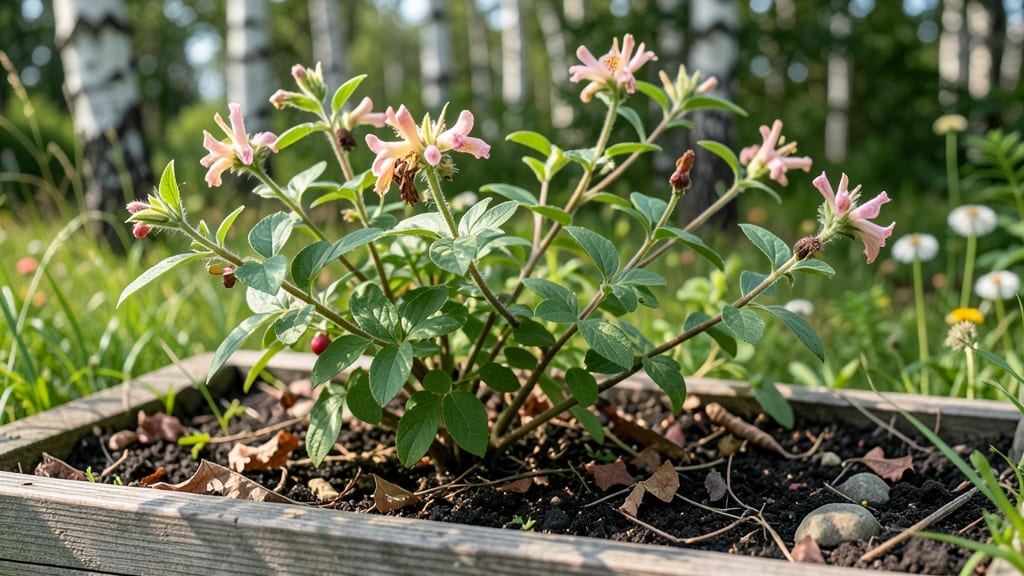
Honeysuckle flowers bloom in late spring to early summer 🌸, turning your garden into a fragrant haven—but the exact timing depends on your climate and variety.
Picture this: you’ve been waiting all winter for that sweet, intoxicating scent, only to realize your honeysuckle is still holding back. The good news? With the right care, you can coax earlier blooms or extend the season for months of enjoyment.
In USDA Zone 6a, like where I garden, most varieties like Lonicera periclymenum start flowering in May or June, while climbing types like Lonicera sempervirens may bloom as early as April if given the right conditions.
Below, I’ll break down the month-by-month blooming schedule, how to adjust care for your zone, and simple tricks to make your honeysuckle flower longer and more abundantly—no green thumb required.
Honeysuckle blooming seasons by variety and US growing zones
Timing your honeysuckle blooms depends heavily on the variety and your USDA growing zone. Different species burst into flower at different times—some as early as late spring, others lingering into fall. Understanding these patterns helps you create a fragrant garden that attracts hummingbirds and butterflies for months.
Let’s break down when to expect blooms from your honeysuckle, including key visual cues like bud formation and leaf emergence.
Most honeysuckle varieties bloom between May and September, but cooler climates (zones 3-5) may see delayed blooms until June or July. Warmer zones (7-10) often enjoy earlier and longer flowering seasons.
The first buds typically appear in late spring, with full blooms following 2-4 weeks later. Pay attention to leaf color shifts—healthy green foliage often signals impending flowers.
If you’re in USDA zones 3-4, expect Lonicera tartarica and Lonicera periclymenum to bloom earliest, often by mid-June. These hardy varieties thrive in cooler climates and may even produce a second flush of flowers in late summer if conditions are ideal.
Look for buds forming at the tips of new growth—this is your first sign that blooms are coming.
Warmer zones (7-10) offer a longer bloom window, with Lonicera japonica and Lonicera sempervirens often flowering from May through September. In these regions, you might even see overlapping blooms if you plant multiple varieties together.
For example, Coral Honeysuckle (Lonicera sempervirens) can bloom as early as May, while Japanese Honeysuckle (Lonicera japonica) peaks in July.
One of the easiest ways to predict blooming is to watch for leaf emergence. Most honeysuckle varieties produce new leaves 2-4 weeks before buds form. For instance, if you see fresh green leaves in April, expect buds to appear by early May.
This timing can vary slightly based on your microclimate—sheltered spots may bloom a week later than sun-exposed areas.
For early bloomers like Lonicera sempervirens, you can extend the season by planting near a south-facing wall or sunny fence. These varieties often reward you with fragrant flowers as early as May, making them perfect for spring pollinators.
In contrast, late bloomers like Lonicera japonica thrive in heat and may continue flowering into September, providing late-season nectar for hummingbirds.
Pro tip: If your honeysuckle isn’t flowering on schedule, check for over-pruning or nutrient deficiencies. A light application of balanced fertilizer (10-10-10) in early spring can encourage healthier growth and more abundant blooms.
Also, ensure your plant receives at least 4-6 hours of sunlight daily—shady spots can delay or reduce flowering.
To create a continuous bloom display, mix early, mid, and late-season varieties in your garden. For
How to extend honeysuckle blooms: pruning and care tips
Honeysuckle’s fragrant blooms can last all summer with the right care. The key to extending their flowering season lies in timely pruning and proper maintenance. I’ve learned that most gardeners miss the best pruning windows, which can drastically shorten the bloom period.
Let’s dive into the proven strategies that keep my honeysuckle vines covered in flowers from June through September.
Understanding your honeysuckle’s natural bloom cycle is essential. Most varieties flower on new wood, meaning they produce blooms on current year’s growth. This makes pruning timing critical—cut too late, and you risk removing next year’s flower buds. The secret is balancing rejuvenation pruning with bloom preservation.
- 1 Late Winter Pruning (Zones 3-7): Prune before buds swell (Feb-March) to remove old, woody stems and encourage new growth for summer blooms.
- 2 Spring Pruning (Zones 8-10): Wait until after last frost (April-May) to avoid frost damage to new growth and preserve flower buds.
- 3 Deadheading Blooms: Remove spent flowers regularly to redirect energy to new blooms instead of seed production.
- 4 Soil & Fertilizer: Use balanced fertilizer (10-10-10) in early spring and light feedings during bloom season to support continuous flowering.
- 5 Avoid Over-Pruning: Never remove more than 1/3 of growth in one season—this stresses the plant and reduces blooms for the next year.
One common mistake I see is pruning in fall, which removes next year’s flower buds. Always prune after flowering if you must do a light trim, but focus on late winter or early spring for major cuts.
For Lonicera sempervirens (trumpet honeysuckle), I’ve found that minimal pruning is best—just remove dead or crossing branches to maintain shape.
To encourage repeat blooming, I fertilize my honeysuckle with compost tea every 4-6 weeks during the growing season. This gives the plant the nutrients it needs to produce flowers continuously.
Pair this with regular deadheading, and you’ll see new blooms forming within weeks. Just be sure to water deeply after fertilizing to prevent root burn.
For climbing varieties, I also train them along a trellis or fence to maximize sun exposure. Honeysuckle needs 4-6 hours of sunlight daily for optimal blooming. If your plant isn’t flowering well, check its location—shady spots will significantly reduce blooms.
Mulching around the base with organic matter also helps retain moisture and encourages root growth, which supports more flowers.
With these tips, my honeysuckle vines stay covered in fragrant blooms from early summer until frost. The key is consistency—prune at the right time, feed regularly, and keep the plant healthy. Your garden will thank you with a sweet, floral display that lasts all season. 🌸