
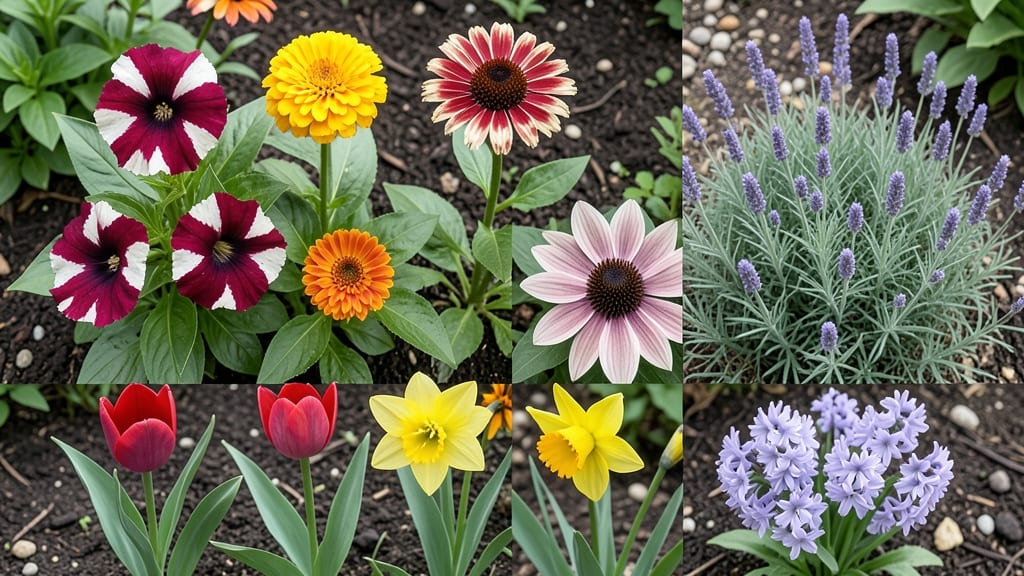
Differen Types of Flowers: Color, Shape & Seasonal Guide for Garden Design

Flowers

Differen Types of Flowers: Color, Shape & Seasonal Guide for Garden Design

Exploring the different types of flowers can turn your garden into a living masterpiece, blending colors, textures, and seasonal charm effortlessly.

Maybe you’ve stared at a blank flower bed, wondering where to start—or perhaps you’re dreaming of a cottage garden bursting with romance or a modern space with sleek, structured blooms. The right flowers don’t just fill space; they set the mood, attract pollinators, and keep your outdoor oasis thriving year-round.

From bold sunflowers that steal the show to delicate lavender that soothes the senses, each type of flower brings something unique to the table.

Whether you’re drawn to fragrant roses, hardy perennials, or exotic orchids, understanding their growth habits and design roles is the key to creating a garden that feels like your sanctuary.

Here, we’ll break down the most stunning flower varieties by color, season, and style—plus tips to mix and match them for maximum impact. Ready to design a garden that turns heads?

15 Most popular flower types by color and seasonal blooming

Creating a stunning garden isn't just about planting—it's about choosing the right flowers for color harmony and seasonal interest. Whether you crave bold summer blooms or delicate winter flowers, selecting varieties that thrive in your climate ensures year-round beauty.

Let's explore the top 15 flowers categorized by color families and their peak blooming seasons.

From classic red roses to exotic orchids, each flower type brings unique textures and fragrances. Understanding their seasonal cycles helps you plan continuous blooms from spring through winter. For example, tulips and daffodils announce spring's arrival, while chrysanthemums and pansies keep gardens vibrant in fall and early winter.

How to choose flowers based on garden design goals

Creating a stunning garden starts with aligning your flower choices with your design vision. Whether you're aiming for a romantic cottage garden, a sleek modern border, or a pollinator-friendly oasis, the right selection transforms your outdoor space.

I’ve found that height variation, seasonal interest, and maintenance needs are the key factors to consider when planning your layout.

For example, tall flowers like sunflowers or delphiniums make dramatic focal points at the back of borders, while trailing plants like petunias or lobelia soften edges and spill over containers.

Don’t overlook fragrance—scented roses or jasmine add layers of sensory delight, especially in evening gardens. Let’s break down how to strategically select flowers for your specific goals.

🌱 Strategic Flower Selection for Garden Design
  1. 1. Focal Points: Use tall perennials like black-eyed Susans or bee balm (3-5 ft) at the center of beds for height and drama.
  2. 2. Borders & Edging: Opt for compact annuals like marigolds or salvia (1-2 ft) to frame pathways and create clean lines.
  3. 3. Pollinator Gardens: Plant native wildflowers like coneflowers or milkweed (2-4 ft) to attract bees, butterflies, and hummingbirds.
  4. 4. Low-Maintenance: Choose drought-tolerant perennials like lavender or sedum (1-3 ft) for minimal upkeep and year-round interest.
  5. 5. Seasonal Interest: Layer spring bulbs (tulips, daffodils), summer annuals (geraniums), and fall mums for continuous blooms.
💡 Pro Tip: Group flowers with similar water needs and sunlight requirements to simplify care.

When planning your garden, think about height progression. I always place the tallest flowers at the back or center, medium-height varieties in the middle, and shorter plants at the front. This creates a natural tiered effect that draws the eye deeper into the space.

For instance, pairing hollyhocks (6 ft) with coreopsis (2 ft) and ajuga (6 inches) adds depth and visual interest.

Fragrance plays a crucial role in garden design, especially for evening spaces. Night-blooming flowers like moonflowers or evening primrose release their scent after sunset, creating a magical atmosphere.

If you love strong aromas, consider roses, gardenia, or lilacs, but be mindful of their maintenance requirements—some need regular pruning to stay healthy and fragrant.

Finally, consider the maintenance level of the flowers you choose. Annuals like impatiens or zinnias offer vibrant colors but require replanting yearly, while perennials like peonies or daylilies return every season with less effort.

For a low-maintenance garden, I recommend native plants or drought-resistant varieties that thrive with minimal intervention.

By thoughtfully selecting flowers based on your design goals, you’ll create a garden that’s not only beautiful but also functional and sustainable. Start small, experiment with different combinations, and don’t be afraid to mix textures and colors for a truly unique look.

Your garden should reflect your personal style and bring you joy year-round! 🌷

★★★★★4.6(11 reviews)
Categories Flowers
Color Family Flower Type Peak Season Sunlight Needs Height Range
Reds & Pinks Roses (Hybrid Tea) Summer-Fall Full Sun 3-6 ft
Reds & Pinks Sunflowers (Helianthus) Summer Full Sun 2-12 ft
Whites & Creams Lilies (Easter Lily) Summer-Fall Full Sun-Part Shade 1-4 ft
Whites & Creams Dahlias (Cactus) Summer-Fall Full Sun 2-5 ft
Purples & Blues Lavender (English) Summer-Fall Full Sun 1-3 ft
Purples & Blues Delphiniums Summer Full Sun 3-5 ft
Yellows & Oranges Marigolds (French) Summer-Fall Full Sun 1-2 ft
Yellows & Oranges Zinnias Summer-Fall Full Sun 1-4 ft
Spring Bloomers Tulips Spring Full Sun-Part Shade 1-2 ft