
Blooming
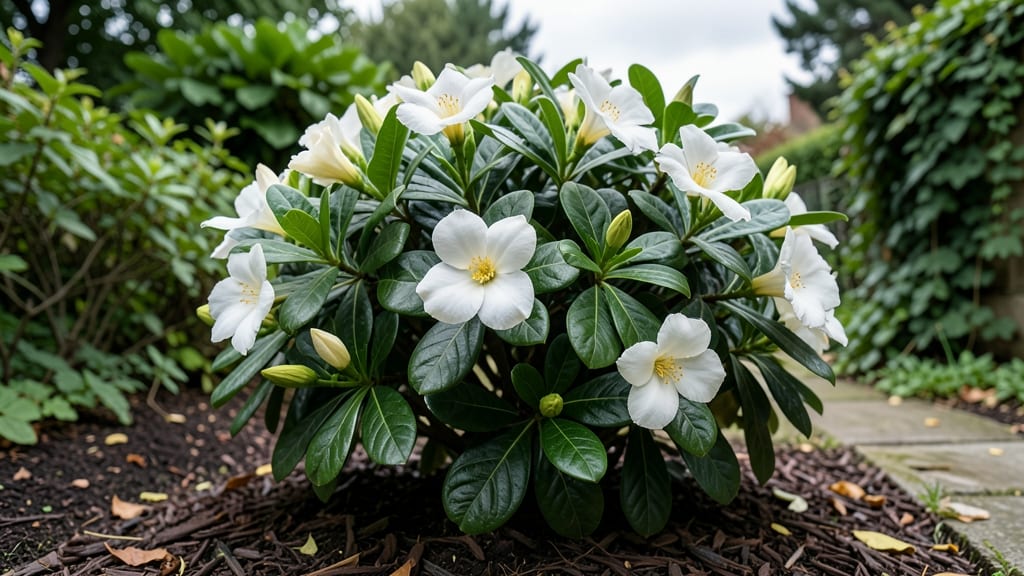
Gardenias flower in late spring through summer 🌸 — but the exact timing depends on your climate and care routine.
If you’ve ever wondered why your gardenia blooms vanish as quickly as they appear—or why some gardeners swear by specific seasons for planting—timing is everything. These fragrant shrubs follow precise seasonal rhythms, but temperature, sunlight, and even soil pH can shift their bloom window by weeks.
In USDA Zone 6 (like most of the Midwest), gardenias typically burst into bloom in June, while warmer zones (like Florida or California) may see flowers as early as April or as late as September. The key? Understanding how to adjust care to match your local growing season.
Below, I’ll break down the science behind gardenia blooming, how to encourage longer seasons, and the 3 biggest mistakes that kill flowers before they open.
Gardenia flowering seasons by US hardiness zones: what to expect
Gardenias are famous for their creamy-white blooms and intense fragrance, but their flowering seasons vary dramatically depending on your USDA hardiness zone. In cooler zones like Zone 7, gardenias often bloom later in the summer, while warmer zones like Zone 10 may see early spring blooms.
Understanding these patterns helps you time care routines and maximize your gardenia’s potential.
Your gardenia’s natural cycle is tied to temperature shifts and daylight hours. Most gardenias follow a spring-to-summer blooming window, but the exact timing shifts 2-4 weeks earlier in warmer climates.
For example, a Zone 9 gardenia might start blooming in late April, while a Zone 7 plant could wait until mid-July.
Here’s how to identify your gardenia’s natural cycle: Watch for bud formation in early spring. Healthy buds will swell and turn pinkish before opening into full blooms. If your gardenia skips blooming, it may need adjusted care or a different zone-specific approach.
🌸 Gardenia Flowering Seasons by Zone
| Zone | Primary Blooming Window | Secondary Blooms | Key Triggers |
|---|---|---|---|
| 7 | Mid-July to September | Light fall blooms (if warm) | Cool spring delays buds; heat triggers blooms |
| 8 | Late June to August | Occasional spring blooms | Moderate temps encourage longer bloom seasons |
| 9 | April to June | Fall blooms with warm winters | Early warmth speeds up bud formation |
| 10 | March to May | Year-round with ideal care | Consistent warmth extends blooming |
| 11 | February to April | Possible late fall blooms | Tropical conditions allow early blooms |
🌱 Note: Potted gardenias may bloom 2-4 weeks earlier than in-ground plants.
In Zone 7, gardenias often bloom later because cooler springs delay bud formation. If your Zone 7 gardenia isn’t blooming by mid-July, check for adequate sunlight (4-6 hours daily) and acidic soil (pH 5.0-6.0). A light pruning in early spring can also encourage new growth and blooms.
Warmer zones like Zone 9-10 experience earlier blooming because gardenias respond to longer daylight hours and warmer temperatures. In these zones, you might see spring blooms as early as March, followed by occasional fall blooms if temperatures stay mild.
For Zone 10-11, gardenias can even bloom year-round with consistent care.
To encourage blooms in cooler zones, try mulching around the base of your gardenia to retain soil warmth and protect roots from temperature swings. In hotter zones, provide afternoon shade to prevent bud drop caused by heat stress.
Both strategies help align your gardenia’s blooming cycle with your local climate.
If your gardenia blooms too early (e.g., winter blooms in Zone 8), it may be stressed. Adjust watering to avoid overhead moisture in cold months, and reduce fertilizer in late summer to prevent new growth that can’t survive winter.
The goal is to match your gardenia’s energy with its natural seasonal rhythms.
One pro tip for gardeners in transition zones (Zone 8-9): If your gardenia blooms late in the season, save some spent blooms to propagate new plants.
This way, you can extend your blooming season by planting cuttings in early spring, giving them time to establish before summer heat arrives.
Finally, observe your gardenia’s leaf health and bud development to fine-tune your expectations. Glossy, dark green leaves signal a healthy plant ready to bloom, while yellowing leaves or dropping buds may indicate stress from improper care. By understanding your zone-specific patterns, you’ll anticipate blooms and adjust care proactively.
🌿 Whether you’re in cool Zone 7 or tropical Zone 11, gardenias reward patience with stunning, fragrant blooms. With the right zone-aware care, you can extend your gardenia’s
Climate triggers that delay or advance gardenia blooms (and how to control them)
Gardenias thrive on consistent climate cues, but even the most patient gardener can be frustrated when blooms arrive late—or never show up at all. The key lies in understanding how temperature shifts, humidity levels, and daylight exposure interact to trigger (or delay) flowering.
Unlike seasonal plants that bloom strictly by calendar, gardenias respond dynamically to their environment, which means your local microclimate holds the power to advance or set back their bloom schedule by weeks.
For example, in humid coastal regions like Florida or Hawaii, gardenias often burst into bloom as early as late winter, while inland gardeners in Zone 7 might not see flowers until mid-summer. The difference?
Humidity levels above 60% can accelerate bud formation, while dry air forces the plant to conserve energy for foliage over flowers. Even a 5°F temperature drop at night can delay blooming until warmer conditions return.
🌸 When Do Gardenias Flower?
- Ideal Climate: 60-80°F days, 50-70% humidity, 12+ hours daylight (summer peak)
- Cooler Zones (7-8): June-August (late bloomers)
- Warm Zones (9-11): March-May (early bloomers)
- Humidity Impact: Low humidity = fewer blooms (water deeply 2x/week)
- Light Trigger: Short days (≤12 hrs) can delay buds (use grow lights if needed)
To force blooms in cooler climates, start by mimicking their natural triggers. Gardenias native to tropical regions rely on long daylight hours (12+ hours) to signal blooming time.
If you're in Zone 6 or 7, supplement with a 15-watt grow light for 4-6 hours in the evening during short-day months (November-February). Pair this with warmth: Move potted gardenias to a sunroom or greenhouse where nighttime temperatures stay above 55°F.
Humidity is another game-changer—especially for container-grown gardenias. In dry climates, increase humidity by placing pots on pebble trays filled with water or grouping plants together to create a microclimate.
Avoid overhead watering, which can cause bud drop—instead, water at the soil base and mulch with orchid bark to retain moisture. A hygrometer (under $15) will help you monitor levels; aim for 50-60% humidity to encourage blooming.
One common mistake that derails blooming is over-fertilizing with high-nitrogen feeds. While nitrogen promotes leafy growth, it stops flower buds from forming. Switch to a low-nitrogen, high-phosphorus fertilizer (like 10-30-20) when buds appear in spring.
Apply it every 6 weeks during the growing season, but skip fertilizer in fall and winter to let the plant rest. Pair this with a light pruning after blooming to remove dead flowers and shape the shrub—this redirects energy toward next year’s buds.
For gardeners in urban heat islands or arid regions, shade cloth can also advance blooming. Gardenias in full sun (>6 hours/day) may struggle to bloom if daytime temps exceed 90°F.
Install 30-50% shade cloth during peak afternoon hours to protect buds while still providing bright indirect light. Monitor your gardenia’s response: if leaves yellow or buds drop, it’s a sign of heat stress.
By tuning into these climate triggers, you can shift your gardenia’s bloom window by 4-6 weeks—whether that means earlier spring blooms or a second flush in fall. The secret? Consistency.
Gardenias reward attentive care with longer bloom seasons, so track your adjustments and refine them yearly. With the right balance of light, humidity, and temperature, your gardenia will bloom on your schedule, not just nature’s. 🌿