
Blooming
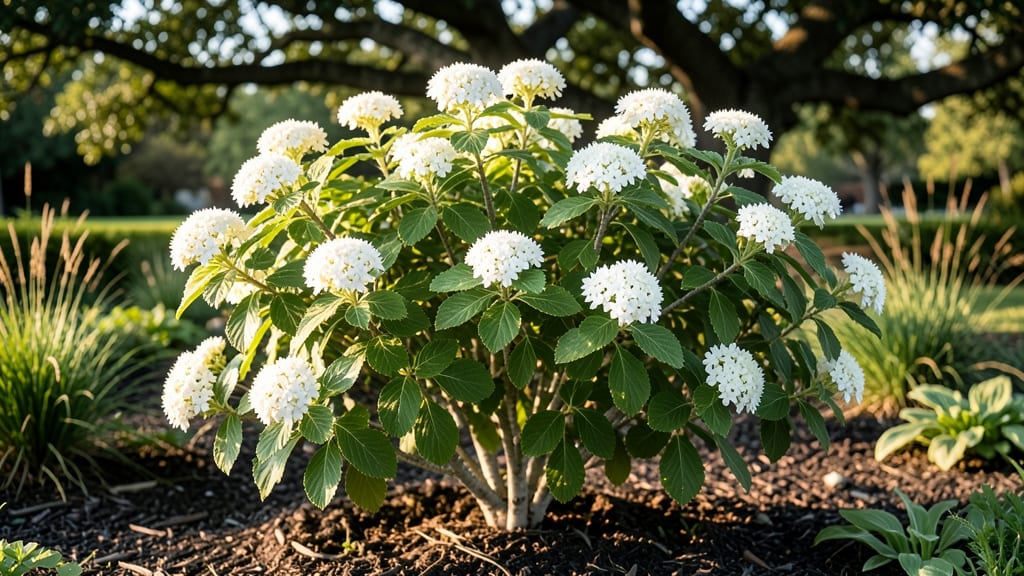
The viburnum flowering time you’re planning for can shift dramatically depending on the variety, your hardiness zone, and even last winter’s chill hours.
Picture this: you’ve waited all year for your 🌸 viburnum to burst into bloom, only to find it lagging behind neighbors—or worse, blooming twice in one season.
That’s because some varieties like Viburnum bodnantense (winter bloomer) defy the usual spring schedule, while others, like Viburnum plicatum, time their show for late spring.
In this guide, I’ll break down the month-by-month blooming windows for the most popular viburnums, how your USDA zone (especially 6a) affects timing, and the simple tweaks—like pruning or sunlight adjustments—that can coax earlier, later, or longer blooms.
You’ll leave here knowing exactly when to expect those fragrant clusters, how to troubleshoot delays, and which varieties pair best for a year-round display.
Viburnum flowering calendar: month-by-month blooms by popular varieties
Viburnums are nature’s showstoppers, offering fragrant blooms that transform gardens from barren to breathtaking. But timing is everything—some varieties burst into winter color while others wait for late summer heat.
To plan your garden’s floral highlights, here’s a month-by-month guide for 10 standout viburnum varieties, tailored for USDA zones 4–9.
Each variety thrives in specific conditions, so I’ve included zone adjustments for cooler (zones 4–6) and warmer (zones 7–9) climates. For example, Viburnum bodnantense (Winter Beauty) blooms 2–3 weeks earlier in zone 7 than in zone 5. Use this as your garden’s floral roadmap to layer blooms seamlessly.
| Variety | Bloom Time (Zones 4–6) | Bloom Time (Zones 7–9) | Key Features |
|---|---|---|---|
| Winter Beauty (V. bodnantense) | Late December–February | Early January–March | Fragrant pink buds, winter hardy, 6–10 ft tall |
| Japanese Snowball (V. plicatum) | Mid April–May | Late March–April | Layered white pom-poms, arching branches, 8–12 ft tall |
| Blackhaw (V. prunifolium) | Late May–June | Early May–June | White flowers, edible blue-black berries, 10–15 ft tall |
| Korean Spice (V. carlesii) | Early April–May | Late March–April | Spicy fragrance, pink buds, 5–8 ft tall |
| Doublefile (V. plicatum 'Tomentosum') | Mid May–June | Late April–May | Layered blooms, silver undersides, 6–10 ft tall |
| Burkwood (V. × burkwoodii) | Late April–May | Early April–May | Lilac-pink clusters, highly fragrant, 6–10 ft tall |
| Nanny Buckley (V. × rhytidophyllum) | Mid June–July | Late May–June | White flowers, leathery leaves, 8–12 ft tall |
| Witch Hazel Viburnum (V. × rhytidophylloides) | Late September–October | Early September–October | Yellow blooms, fall interest, 8–12 ft tall |
| Leatherleaf (V. rhytidophyllum) | Mid June–July | Late May–June | White clusters, wrinkled leaves, 6–10 ft tall |
| Annabelle (V. opulus 'Regale') | Mid June–July | Early June–July | Snowball blooms, drought-tolerant, 4–6 ft tall |
For zone 4–6 gardeners, prioritize early bloomers like Winter Beauty and Korean Spice to brighten frosty months. In zones 7–9, extend your garden’s season with late bloomers like *Witch Haz
How climate zones and microclimates shift viburnum blooming times
Your viburnum’s blooming schedule isn’t set in stone—it’s a delicate dance between USDA hardiness zones, last frost dates, and your garden’s hidden microclimates. While most spring-blooming viburnums like Viburnum plicatum typically flower in April, a zone 5 garden might see buds weeks earlier than a zone 7 counterpart.
Even within the same zone, your urban heat island could push blooms ahead by 2–3 weeks compared to a rural yard.
Microclimates—those tiny pockets of sun exposure, wind protection, or reflective surfaces—can shift flowering by up to 4 weeks. For example, a south-facing wall might trigger early blooms in winter-blooming viburnums like Viburnum bodnantense, while exposed hilltops can delay spring flowers until late May.
Understanding these factors lets you adjust care to sync blooms with your seasonal plans.
- 🌡️ Zone shifts: Each USDA zone shift north/south delays spring blooms by 1–2 weeks. Example: Viburnum dentatum blooms in May in zone 6 but June in zone 4.
- ❄️ Frost dates: Late frosts after bud set can kill flowers. Track your last average frost to protect early bloomers like winter viburnums.
- 🏙️ Urban heat islands: Pavement and buildings can raise temps by 5–10°F, pushing spring blooms 2–3 weeks earlier than rural areas.
- 💨 Wind exposure: Coastal or open gardens may delay blooms until warmer, calmer periods, while windbreaks (fences, trees) accelerate flowering.
- ☀️ Sunlight variations: Morning sun (east side) promotes earlier blooms, while afternoon shade can delay flowers until late spring.
If your viburnum blooms late, check for over-fertilizing with nitrogen, which fuels leafy growth over flowers. A balanced 10-10-10 fertilizer in early spring (after last frost) encourages blooms.
For early bloomers, prune after flowering to avoid cutting next year’s buds—especially critical for spring-flowering varieties like Viburnum opulus.
Protect late-season bloomers (e.g., Viburnum trilobum) from early fall frosts by planting near heat-retaining walls or using lightweight row covers if frost threatens before September blooms fade. In zone 8+, some varieties may even produce secondary blooms if pruned correctly after the first flush.
Use these clues to time your viburnum care: Bud swell in late winter signals spring bloomers, while leaf-out timing reveals microclimate effects. For winter bloomers, watch for bud break in December–January—a sure sign your plant is ready for dormant-season protection like mulch or burlap wraps.
Your viburnum’s blooming window is a living calendar—adjust your garden’s microclimates, prune strategically, and fertilize wisely to keep those fragrant clusters arriving right when you need them. 🌸