
Flowers
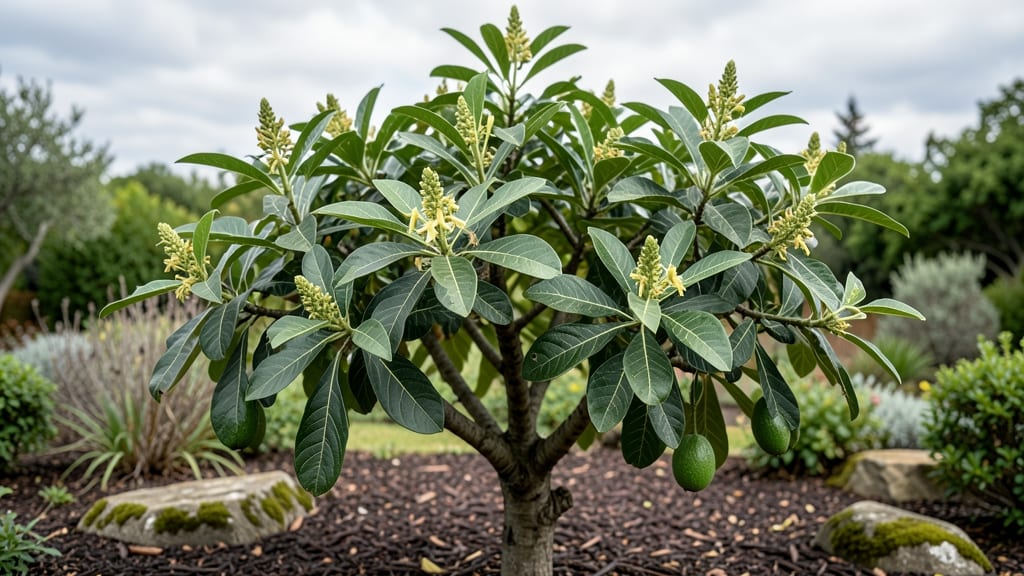
Avocado trees flower when they receive the right mix of warm days and cooler nights — a delicate balance that explains why your indoor plant might never bear fruit.
Picture this: your 🥑 tree thrives in Zone 9b-11 or a sunny indoor spot, but it refuses to bloom. That’s because avocados need specific seasonal cues, like 60°F nights and 75°F days, to trigger those iconic purple flowers.
Miss the timing, and you’ll be left with leaves instead of fruit.
In tropical climates, flowering happens year-round, while temperate zones see bursts in spring or fall. Even indoor trees can bloom with the right light and temperature tweaks — though most growers never realize it’s possible.
Below, I’ll walk you through the exact conditions that prompt flowering, how to encourage it in your own tree, and what to expect once those flowers appear — including the 6–12 months it takes to go from bloom to harvest.
Avocado flowering seasons: what determines when they bloom
Avocado trees are fascinating because their flowering cycle is tightly linked to climate and daylight. Unlike many fruit trees, avocados don’t follow a predictable seasonal pattern—instead, they respond to temperature shifts and day length.
In warm climates like California or Florida, you’ll see blooms year-round, while cooler regions like Zone 9b experience spring and fall flushes. Understanding these triggers helps you anticipate fruit production and troubleshoot non-flowering trees.
The key to avocado flowering lies in two environmental cues: cool nights and long daylight hours. When nights dip below 60°F (15°C) after warm days, the tree receives the signal to bloom.
This is why spring and fall are prime flowering seasons in temperate zones, while tropical avocados may flower sporadically. Light exposure also plays a role—trees need 6+ hours of direct sunlight daily to set flowers properly.
Here’s how climate zones influence flowering timing across the U.S.:
| Climate Zone | Primary Flowering Season | Temperature Trigger | Daylight Needs | Regional Example |
|---|---|---|---|---|
| Tropical (Zones 10–11) | Year-round (peaks spring/fall) | No cold requirement | 12+ hours daylight | Hawaii, Southern Florida |
| Subtropical (Zones 9–10) | Spring & Fall | Cool nights (<60°F) | 10–12 hours daylight | Southern California, Arizona |
| Temperate (Zones 7–8) | Late Spring | Cold winter dormancy | 14+ hours daylight | Central Texas, Georgia |
| Cooler (Zones 6–7) | Indoors only (spring) | Artificial light/heat | Grow lights (12+ hrs) | Containers in New York |
In tropical zones, avocados like Hass or Fuerte may flower year-round, but heavy blooms often coincide with warmer months when daylight stretches longer. For example, in Hawaii, you’ll see peak flowering in March and September due to stable temperatures and consistent light.
Meanwhile, in California’s Central Valley, trees bloom in late spring after a mild winter.
If you’re growing avocados in cooler climates (Zones 6–8), flowering becomes more unpredictable. Trees often need artificial triggers, like moving them outdoors in spring or using grow lights to simulate longer days.
Without these cues, your tree might produce leaves instead of flowers. Pay attention to nighttime temperatures: if they stay above 65°F (18°C), flowering will be delayed.
Another critical factor is avocado variety. Some types, like Type A (e.g., Hass), flower in spring, while Type B (e.g., Fuerte) bloom in fall. Planting both types ensures cross-pollination and better fruit set.
In Florida, for instance, Type A trees bloom in March, while Type B trees follow in October. This staggered pattern maximizes your chances of getting fruit.
Light exposure can make or break flowering success. Avocados need full sun (6+ hours daily), but too much intense afternoon sun in hot climates can stress the tree, reducing flower production. If you’re growing in containers, rotate the pot weekly to ensure even light exposure on all sides.
In shady spots, flowering may be sparse or nonexistent—so choose a south-facing location for optimal results.
One common misconception is that young avocado trees will flower immediately. In reality, most trees take 3–5 years to mature enough for flowering. If your tree is older but still not blooming, check for nutrient deficiencies, overwatering, or poor drainage.
A simple fix is to reduce water slightly and apply a balanced fertilizer (6-6-6) in early spring to encourage growth and flowering.
For container-grown avocados, flowering can be even trickier due to limited root space. To encourage blooms, prune lightly in late winter to remove dense growth and improve air
From flowers to fruit: the 6–12 month timeline for avocado harvest
Once your avocado tree blooms, the journey to harvest takes patience—but understanding the 6–12 month timeline helps you predict when to expect fruit. The process starts with pollination, where Type A and Type B flowers must interact to produce fruit.
Without both types nearby, your tree may bloom but never bear avocados. Even with proper pollination, fruit development follows distinct stages, each with its own timeline and care needs.
In warm climates like USDA Zones 9b–11, flowering can occur year-round, while cooler regions see blooms in spring or fall. The key to predicting harvest windows lies in tracking when flowers appear and recognizing the two pollination types.
Type A trees release pollen in the morning, while Type B trees release it in the afternoon—planting both types ensures cross-pollination and fruit set.
- 🌸 Flowering Stage (Month 0): Tiny yellow-green flowers appear in clusters. Type A flowers open in the morning; Type B in the afternoon. Cross-pollination is essential for fruit.
- 🍈 Fruit Set (Month 1): Pollinated flowers develop into pea-sized fruit. Many drop off—this is normal. Keep soil moist but well-draining to support growth.
- 🥑 Rapid Growth (Months 2–4): Fruit grows 1–2 inches per month. Thin overcrowded fruit to 6–12 inches apart for larger avocados.
- 🌱 Maturation (Months 5–9): Skin darkens from green to purple, black, or brown (varies by variety). Reduce watering slightly to prevent splitting.
- 🍽️ Harvest Readiness (Months 10–12): Fruit detaches easily with a gentle twist. Test ripeness by squeezing—it should yield slightly. Harvest before full ripeness for best flavor.
If your avocado tree flowers but no fruit sets, check for Type A/B compatibility—many home growers unknowingly plant the same type. Introducing a second tree within 50–100 feet often solves the issue.
Even with proper pollination, environmental factors like temperature drops below 50°F or excessive humidity can cause flower drop, delaying harvest by months.
For container-grown trees, harvest timing shifts slightly due to limited root space. Fruit may mature 2–4 weeks earlier than in-ground trees, so monitor size and color closely. Once harvested, avocados ripen off the tree—store them at room temperature until ready to eat, then refrigerate to slow ripening.
Patience is key with avocados—they’re slow growers, but the reward of homegrown fruit makes the wait worthwhile. Track your tree’s flowering date each year to refine your harvest predictions, and adjust care based on the stage.
With the right conditions, you’ll go from blooms to bounty in just over a year!