
Blooming
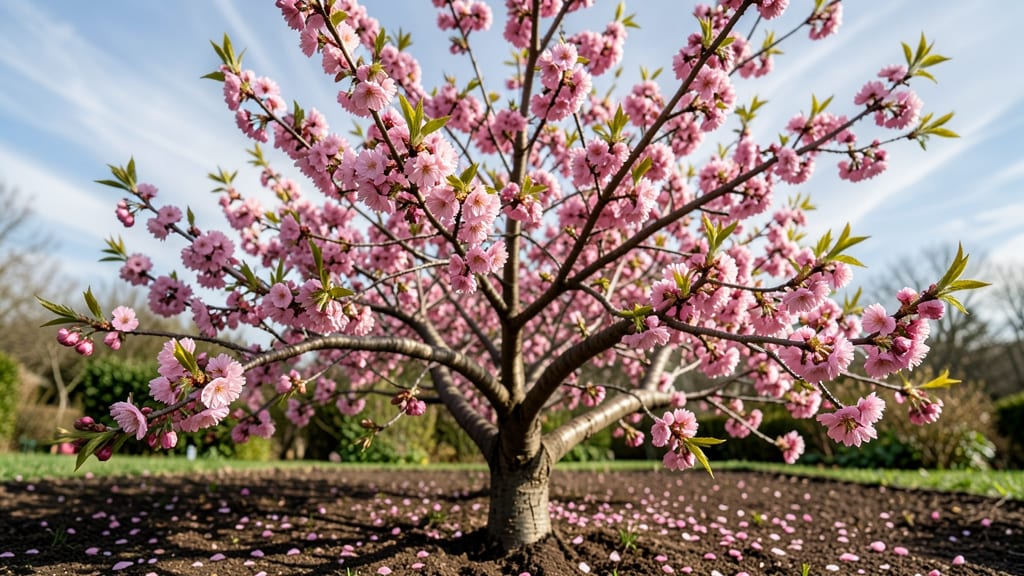
Cherry trees flower in late winter to early spring 🍒, a fleeting but spectacular burst of color that sets the stage for fruit production.
Watching cherry blossoms burst into color is one of nature’s most breathtaking spectacles—but timing everything right depends on knowing exactly when your cherry trees will flower.
If you’ve ever missed the bloom window or struggled to predict when your tree will burst into petals, you’re not alone. The timing varies by variety, climate, and even your local microclimate, which is why understanding these patterns is the key to planning your spring garden.
In this guide, I’ll break down the typical flowering periods by variety, how climate zones shift bloom timing, and practical tips to help you prepare for this seasonal event—whether you’re admiring the blossoms or gearing up for harvest.
Cherry tree flowering seasons by variety: key timelines for blooms
Timing your garden around cherry tree blooms means understanding that these stunning trees don’t all flower at once. The blooming season varies dramatically by variety—whether you’re growing sweet cherries, tart cherries, or ornamental varieties.
Even within the same type, some burst into bloom as early as late February, while others wait until May. Knowing these patterns helps you plan everything from pruning schedules to pollinator-friendly pairings for your garden.
Regional climates also play a huge role. A Zone 5 garden might see early blooms in March**, while Zone 9 trees could flower as late as April. Late frosts can devastate early bloomers, so understanding your microclimate is key.
Below, I’ve broken down the typical flowering windows for major cherry varieties, including early, mid, and late-season bloomers—plus how to adjust for your specific growing conditions.
For sweet cherries, early bloomers like 'Stella' and 'Lapins' often flower in late February to early March, making them vulnerable to late frosts.
If you’re in a Zone 4 or colder, consider planting mid-season varieties like 'Bing' or 'Rainier', which bloom in mid to late March and are slightly more frost-resistant. Tart cherries, such as the classic 'Montmorency', tend to bloom a bit earlier than sweet cherries, usually in early to mid-March, giving them a slight edge in colder climates.
Ornamental cherry trees, like the popular 'Kanzan', are showstoppers with their pink double blooms, but they often bloom later—typically in late March to early April. Some varieties, like 'Autumnalis', are unique because they re-bloom sporadically throughout the year, making them ideal for extended seasonal interest.
If you’re growing ornamental cherries for spring color, pair them with early bulbs like daffodils or late-winter shrubs like winter jasmine to create a layered bloom sequence.
If you’re in a warmer climate (Zone 8+), your cherry trees might not bloom until April or even May. In these regions, late-season varieties like 'Van' or 'Lambert' sweet cherries thrive.
The key is to monitor temperature trends—cherry blossoms typically need chill hours (300–1,000 hours below 45°F) to trigger flowering. In mild-winter areas, some trees may skip flowering entirely if they don’t get enough cold exposure.
To extend your blooming season, mix varieties with staggered bloom times. For example, plant an early bloomer like 'Burlat' alongside a late bloomer like 'Rainier'. This ensures your garden has cherry blossoms for 4–6 weeks instead of just a few days.
Just be mindful of pollination needs—most sweet cherries require cross-pollination, so plant at least two compatible varieties.
One pro tip: Prune your cherry trees in late winter (just before buds swell) to shape the canopy and remove dead wood. This encourages healthier blooms the following season.
Avoid heavy pruning after flowering, as it can reduce fruit set. For ornamental cherries, light pruning after blooms helps maintain their showy form.
Finally, keep an eye on your local frost dates. The National Weather Service provides <
How climate zones and weather affect cherry tree flowering times
Your cherry tree’s flowering schedule isn’t set in stone—it’s a delicate dance between temperature shifts, frost risk, and even your local microclimate. In Zone 3–5, where winters are harsh, blooms often arrive 2–4 weeks later than in milder Zone 8+ regions.
This delay happens because cold-dormant trees need consistent warmth to break dormancy and trigger buds.
For example, a Stella® tart cherry in Zone 5 might bloom in late April, while the same variety in Zone 9 could burst into flowers as early as February.
These differences aren’t just about zip codes—they’re shaped by late frosts, heatwaves, and even urban heat islands that push bloom times earlier in cities.
In Zone 3–5, gardeners must guard against late-season frosts, which can destroy buds after they’ve swollen but before opening. I’ve seen Stardust® cherries in Zone 4 lose entire bloom cycles to a single 28°F night in early May.
To mitigate this, choose late-blooming varieties like Montmorency or use frost cloth during critical periods.
On the flip side, Zone 8+ regions often face heatwaves that stress trees mid-bloom. If temperatures spike above 90°F during flowering, pollen production drops, reducing fruit set. I once had a Rainier cherry in Zone 9 with 50% fewer cherries after a 10-day heatwave in March.
Mulching with straw and providing afternoon shade can help.
Microclimates—like south-facing slopes or urban areas—can also shift bloom times by 1–2 weeks. A yard in Phoenix might see blooms in January, while a shaded spot in Seattle could delay them until May.
Pay attention to local frost dates and adjust your pruning schedule accordingly. For example, prune tart cherries in Zone 5 after the last frost to avoid cutting off next year’s flower buds.
Drought stress is another silent disruptor. Even established cherry trees need deep watering during bud swell (late winter). I’ve noticed that well-watered trees in Zone 7 bloom 10 days earlier than drought-stressed ones.
Use drip irrigation to deliver moisture directly to roots—avoid overhead watering, which can spread fungal diseases like brown rot.