
Plants
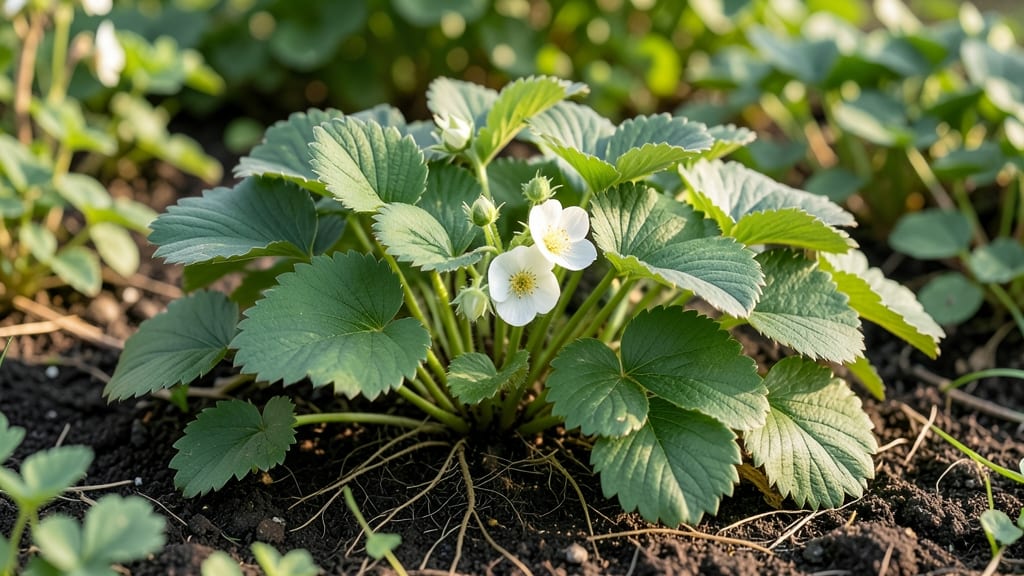
Strawberry plants flower when they’ve built enough strength to produce those delicate white blooms 🍓 — and timing it right means the difference between a harvest and a missed opportunity.
Picture this: you’ve spent weeks tending to your June-bearing or everbearing varieties, only to wonder why the flowers aren’t appearing when they should. The answer lies in your climate zone, sunlight, and even soil temperature—factors that can shift bloom windows by weeks.
In USDA Zone 6a, where many gardeners grow strawberries, flowering typically kicks off in late April to early May, but warmer zones push it back to June. Day-neutral varieties, though, keep blooming all season long—if you give them the right conditions.
Below, I’ll break down the exact timing for your strawberry type, how to spot early signs of blooms, and three simple tricks to encourage them—so you’re not left staring at green leaves when the berries should be ripening.
Strawberry flowering timeline by USDA climate Zones
Strawberry plants flower at different times depending on your USDA climate zone and the variety you grow. June-bearing types produce one massive bloom in spring, while everbearing and day-neutral varieties offer multiple harvests. Knowing these timelines helps you avoid late frosts that can destroy delicate flowers and future fruit.
Let's break down when to expect blooms in zones 3 through 10, including early vs. late bloomers.
Your local microclimate also plays a role—coastal areas may bloom earlier than inland regions in the same zone. For example, June-bearing strawberries in Zone 5 might flower as early as late April, while those in Zone 9 could wait until February.
Everbearing varieties tend to flower 6-8 weeks later than June-bearing types, giving you a staggered harvest.
🌱
| USDA Zone | June-Bearing Blooms | Everbearing Blooms | Day-Neutral Blooms | Frost Risk |
|---|---|---|---|---|
| Zones 3-4 | Late May-June | June-July (2nd flush) | May-August (continuous) | High until mid-June |
| Zones 5-6 | Late April-May | May-June (2nd flush) | April-September | Moderate until late May |
| Zones 7-8 | March-April | April-May (2nd flush) | February-October | Low after March |
| Zones 9-10 | January-February | February-March (2nd flush) | Year-round (peaks winter) | Minimal (frost rare) |
In Zones 3-4, June-bearing strawberries often bloom too late for safe fruit production—consider day-neutral varieties like 'Seascape' for continuous harvests. These varieties flower based on day length, not temperature, making them ideal for cooler climates.
Everbearing types like 'Ozark Beauty' produce two harvests: the first from spring blooms and the second from summer regrowth.
For Zones 5-6, early bloomers like 'Jewel' can flower as soon as late April, but late frosts remain a threat until mid-May. Use row covers or plant in microclimates (like south-facing slopes) to protect flowers.
Day-neutral varieties thrive here, offering fruit from spring through fall with minimal care beyond consistent watering and mulching.
Gardeners in Zones 7-8 enjoy the earliest blooms, with June-bearing types often flowering by March. This gives you a head start, but watch for late-winter frosts that can still damage tender blossoms.
Everbearing varieties like 'Chandler' produce fruit in spring and again in fall, while day-neutral types like 'Tristar' deliver near-continuous harvests. In these zones, overwintering strawberries can produce fruit year-round with proper protection.
In Zones 9-10, strawberries flower year-round, with June-bearing types blooming as early as January. The biggest challenge here is heat stress, which can cause blossoms to drop. Choose shade-tolerant varieties like 'Camarosa' and provide afternoon shade during peak summer months.
Day-neutral types like 'Albion' perform exceptionally well, producing fruit in both cool winter months and hot summers.
Protecting your strawberry flowers from late frosts is critical—even a 28°F night can destroy blossoms. Use frost cloths or row covers when nighttime temperatures dip below 32°F.
For everbearing varieties, you can also prune off early flowers to redirect energy to the plant’s root system, ensuring stronger summer regrowth and a second harvest.
🌿
How to accelerate strawberry blooms naturally (without chemicals)
If your strawberry plants are taking their sweet time to bloom, don’t worry—you can give them a natural boost without resorting to harsh chemicals. The key lies in mimicking their ideal growing conditions while avoiding common pitfalls that delay flowering.
Strawberries thrive when they receive the right balance of sunlight, soil warmth, and nutrient-rich soil. By tweaking just a few factors, you can encourage those first delicate blooms to appear weeks earlier than expected.
First, let’s address the most critical factor: light exposure. Strawberries are sun-hungry plants, and insufficient light is the #1 reason they fail to flower.
If your plants are in partial shade, consider relocating them to a sunnier spot where they receive at least 6-8 hours of direct sunlight daily. Even a few hours of morning sun can make a surprising difference.
For container-grown strawberries, rotate the pots weekly to ensure even light exposure on all sides.
- 1 Maximize sunlight: Move plants to full sun (6+ hours/day) or use reflective surfaces (like white walls) to bounce light onto shaded areas.
- 2 Warm the soil: Use black plastic mulch or straw to raise soil temperature by 5-10°F, signaling plants it’s time to bloom.
- 3 Prune strategically: Remove old leaves in early spring to redirect energy to new growth and flower production.
- 4 Fertilize wisely: Apply balanced organic fertilizer (like compost or fish emulsion) in early spring to provide phosphorus for blooms.
- 5 Water consistently: Keep soil moist but not soggy—deep watering 1-2 times weekly encourages root growth and supports flowering.
Next, focus on soil temperature, which directly impacts bloom timing. Strawberries need soil temperatures to reach at least 50°F (10°C) before they’ll reliably produce flowers.
If your spring is slow to warm up, try using black plastic mulch or straw to absorb heat during the day and radiate it back to the roots at night. This simple trick can advance flowering by 2-3 weeks in cooler climates.
Pruning plays a surprisingly big role in encouraging blooms. In early spring, remove any yellowed or damaged leaves to improve airflow and sunlight penetration. For June-bearing varieties, prune back old foliage after the first harvest to redirect energy into next year’s flower buds.
Meanwhile, everbearing and day-neutral varieties benefit from a lighter pruning approach—just remove spent blossoms to promote continuous flowering.
Finally, don’t underestimate the power of organic fertilizers to jumpstart blooming. Strawberries respond well to phosphorus-rich amendments, like bone meal or compost, which encourage root and flower development. In early spring, work a 1-inch layer of compost into the soil around your plants.
You can also use a liquid fish emulsion (diluted to half-strength) every 4-6 weeks during the growing season to provide a gentle nutrient boost without burning the plants.
With these natural techniques, your strawberry plants should start producing blooms 2-4 weeks earlier than usual—setting you up for a bountiful harvest. The key is consistency: combine sunlight optimization, soil warmth, strategic pruning, and organic nutrients for the best results. Happy gardening! 🌱