
Blooming
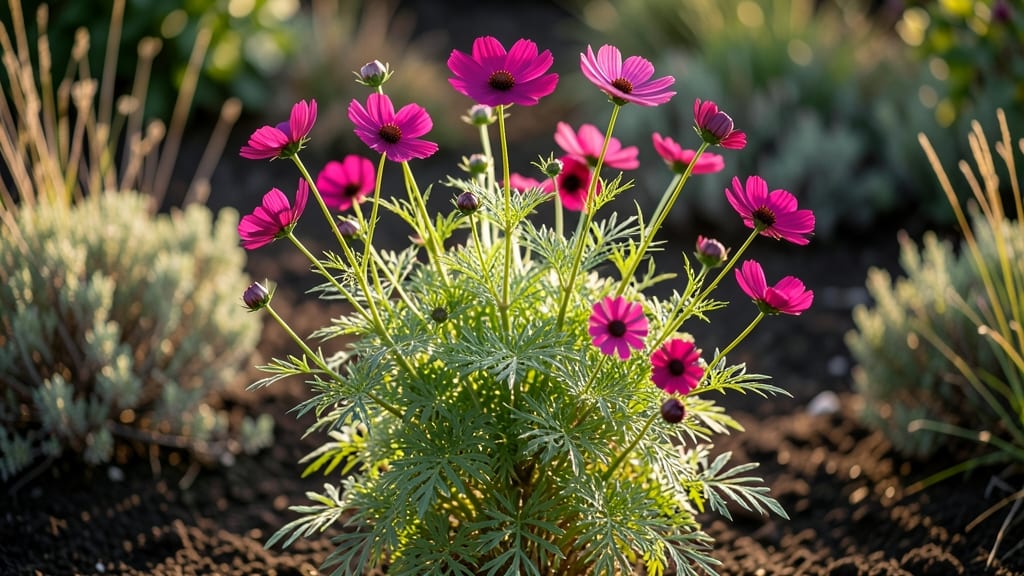
Cosmos flowers bloom from early summer through fall, turning your garden into a nonstop parade of color 🌼—but the exact timing depends on where you live and how you plant them.
Picture this: You’ve just tucked in those delicate seeds after the last frost, and by July, your cosmos are already throwing open their cheerful faces. But in cooler zones, blooms might not kick in until August, and late varieties can stretch into October.
That’s the magic of cosmos—adaptable, reliable, and always ready to steal the show.
In Zone 6a (like much of the Midwest), most cosmos start flowering around mid-July if planted in late April or May, but early varieties can surprise you with blooms as soon as June.
Meanwhile, gardeners in warmer climates might see their cosmos hit their stride by June, with some varieties keeping it up until a hard frost.
Below, I’ll break down the month-by-month bloom schedule for your region, plus pro tips to coax extra weeks of blooms—because once you’ve seen a cosmos garden in full swing, you’ll never want it to end.
Cosmos bloom timeline by US hardiness zones: exact months to expect flowers
Cosmos flowers are the garden's cheerful workhorses, blooming effortlessly from early summer through frost—but their exact timeline depends on your USDA hardiness zone and planting method. Whether you direct-sow seeds or transplant seedlings, understanding these month-by-month patterns helps you plan for continuous color.
In cooler zones like 3-5, expect blooms starting in late June, while warmer zones (8-11) may see flowers as early as May. The key? Warm soil temperatures and consistent sunlight trigger those iconic daisy-like blooms.
Transplanted cosmos tend to bloom 2-3 weeks earlier than direct-sown varieties because they skip the seedling stage. For example, in Zone 7, transplanted 'Sensation Mix' cosmos might burst into color by mid-June, while direct-sown seeds take until early July.
This difference is crucial for gardeners who want early-season color or extended blooming periods. Let's break down the exact months for each zone, so you can time your plantings like a pro.
🌼 Comparison Table: Cosmos Bloom Timeline by USDA Zone
In Zones 3-4, where summers are short, cosmos thrive as late-season stars, often blooming until the first frost in October. The key to success here is planting direct-sown seeds early—as soon as soil temperatures hit 60°F (15°C)—to maximize the growing season.
In my Zone 4 garden, I've found that 'Purity' cosmos, with its pure white blooms, is the most reliable for extending color into fall. These varieties also attract pollinators like bees and butterflies, making them a must-have for late-summer gardens.
For gardeners in Zones 5-6, the bloom window expands dramatically. Here, cosmos can start flowering as early as mid-June if transplanted, giving you 3-4 months of continuous blooms.
I've noticed that 'Double Click' cosmos, with its double-layered petals, often blooms 2 weeks later than single varieties, creating a staggered display. To encourage early blooming, I always transplant seedlings into well-draining soil with a light compost mix—this gives them a head start over direct-sown seeds.
In warmer Zones 7-8, cosmos are all-season performers, with some varieties like 'Bright Lights' blooming from late May through November. The extended season means you can treat cosmos as perennial-like annuals, replanting every year for continuous color.
In my Zone 7 garden, I've experimented with successive plantings: one batch in early spring for May blooms and another in mid-summer to extend color into fall. This strategy works especially well for cut flower gardens, as cosmos hold up beautifully in bouquets.
Gardeners in Zones 9-11 enjoy the longest bloom periods, with some cosmos varieties flowering year-round in frost-free climates. Here, the challenge shifts from timing blooms to controlling them—cosmos can become self-seeding weeds if left unchecked. I've found that <
How to extend cosmos blooms: 5 proven techniques for longer flowering seasons
Cosmos flowers naturally bloom from mid-summer to early fall, but with the right techniques, you can stretch their vibrant displays by 4-6 weeks. Whether you're growing annual cosmos or perennial varieties, these methods will keep your garden bursting with color long after typical bloom seasons end.
Understanding cosmos bloom timing starts with recognizing their natural cycle. Most varieties begin flowering 60-90 days after planting, but strategic care can shift this window.
For example, early bloomers like 'Bright Lights' can start as early as June in warm zones, while late-season types may extend blooms until November's first frost.
5 Key Techniques to Extend Cosmos Blooms
- 🌱 Deadheading: Remove spent blooms 2-3 times weekly to redirect energy to new flowers. Use clean pruners to avoid disease.
- ☀️ Sunlight Optimization: Ensure 6+ hours of full sun daily. South-facing beds perform best in Northern Hemisphere climates.
- 💧 Watering Schedule: Water deeply every 3-5 days during peak bloom (July-August). Avoid wetting foliage to prevent mildew.
- 🌿 Companion Planting: Pair with basil or marigolds to repel pests and attract pollinators, boosting overall plant health.
- 🪴 Soil Amendments: Add compost or bone meal at planting to provide phosphorus for robust blooms. Reapply mid-season.
Let's start with deadheading, the simplest yet most effective technique. Cosmos produce continuous blooms on new growth, so removing faded flowers signals the plant to produce more. Grab a pair of clean pruners and snip just above the first set of leaves below the bloom.
This method can extend your cosmos flowering season by 3-4 weeks.
For early blooming, focus on warmth-loving varieties like 'Sensation Mix' and plant them 4-6 weeks before last frost. In USDA zones 8-11, you can even start seeds indoors in February for a jumpstart. Pair this with black plastic mulch to warm soil faster and encourage earlier sprouting.
In cooler climates (zones 3-6), extend fall blooms by choosing late-season varieties like 'Cosmos bipinnatus 'Sonata White''. These thrive in longer daylight hours and often bloom until first frost. Combine this with light evening watering to prevent fungal issues from overnight moisture.
Don't overlook the power of companion planting. Cosmos pair beautifully with tall sunflowers (which provide shade for roots) and low-growing thyme (which deters pests). This 3-plant trio creates a self-sustaining ecosystem that naturally extends bloom seasons through improved plant health.
Finally, monitor your cosmos watering schedule closely during peak bloom. While cosmos are drought-tolerant, consistent moisture prevents bud drop. Water at soil level in the morning to reduce evaporation and fungal risks. In extreme heat (90°F+), increase frequency to every 2-3 days.