
Flowers
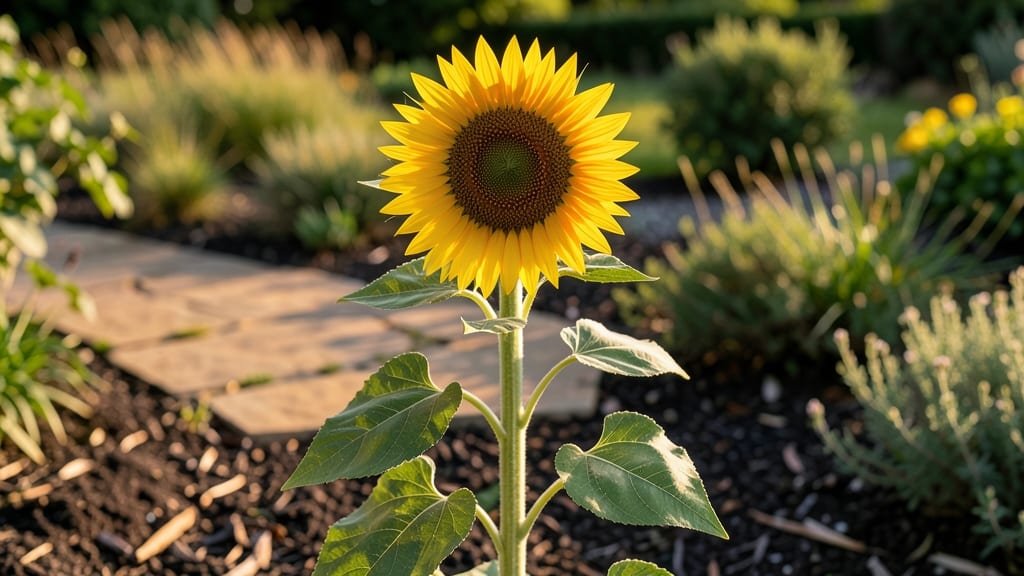
When are sunflowers in season in Florida? The cheerful blooms appear twice a year—from April through June and again from September to November—giving gardeners two opportunities to enjoy their towering 🌻 beauty annually.
But here’s the catch: timing isn’t just about months—it’s about microclimates. In North Florida’s Zone 8a, a late frost could still threaten early plantings, while South Florida’s Zone 11 gardeners might face heat stress if they wait too long.
This guide breaks down the perfect planting windows for your region, plus how to stretch your sunflower season with heat-tolerant varieties and smart scheduling.
Whether you’re growing for pollinators, bouquets, or seeds, you’ll learn how to align your sunflowers with Florida’s two distinct bloom cycles—without the common mistakes that leave gardens empty-handed.
Florida sunflower season by region: north vs. Central vs. south timelines
Florida’s three distinct climate zones create dramatic differences in sunflower growing seasons. In the North (Zones 8a-8b), chilly winters demand precise timing, while the South (Zones 10b-11) offers nearly year-round possibilities. The Central region (Zones 9a-9b) sits in between, with extended frost-free periods.
Understanding these variations lets you plan for two blooming seasons—spring and fall—while avoiding common pitfalls like late frost damage or summer heat stress.
Your planting window hinges on last frost dates, which vary wildly: January 15 in North Florida vs. no frost risk in South Florida. Even within regions, microclimates near coastlines or elevation changes can shift timelines by 2-4 weeks.
For example, Tallahassee’s Zone 8a gardeners must rush spring plantings, while Miami’s Zone 11 gardeners can sow year-round. Let’s break down the optimal planting months, bloom windows, and heat tolerance limits for each zone to help you maximize your sunflower harvest.
In North Florida, where frost still lingers until mid-February, your spring planting window is tight: February 20 to March 31. Miss this, and you risk late frost damage to tender seedlings.
The good news? Fall plantings (August 1-September 15) thrive here, with blooms appearing just in time for autumn weddings and holiday arrangements. Choose cold-hardy varieties like ‘Autumn Beauty’ or ‘Moulin Rouge’ to push your season’s edges.
Central Florida’s longer frost-free period (just January 1 to February 1) gives you 6 extra weeks of spring planting flexibility. Start as early as February 15 for April-May blooms, or go for July 15-September 1 fall plantings to enjoy golden autumn displays.
This zone’s higher heat tolerance (up to 95°F) lets you grow taller varieties like ‘Russian Giant’, but watch for wilting in afternoon heat—morning watering is key.
South Florida’s tropical climate turns sunflowers into year-round performers. With no frost risk, you can plant any month, but January-April yields spring blooms (February-June), while June-September plantings deliver fall harvests (August-December).
The heat tolerance limit (100°F+) makes this zone ideal for heat-resistant varieties like ‘ProCut’ or ‘Teddy Bear’, but shade cloth helps during summer’s peak (100°F+) to prevent flower drop.
Regional microclimates can shift these timelines further. For example, coastal areas (like Fort Myers) stay warmer than inland Gainesville, while elevated regions (like Lake County) may experience earlier frosts.
Use local weather stations or Florida Automated Weather Network (FAWN) data to fine-tune your planting dates. Pro tip: Stagger plantings every 2 weeks to ensure continuous blooms from spring through fall.
Heat stress is the
How to extend your Florida sunflower season: cold-hardy varieties and success tips
Florida’s warm climate lets us enjoy sunflowers almost year-round, but even here, early spring and late fall can bring challenges. The key to extending your sunflower season lies in selecting the right cold-hardy varieties and using smart growing techniques.
With the proper approach, you can enjoy blooms from late winter through early winter, giving pollinators and your garden a longer show.
Most sunflowers thrive in Florida’s heat, but cool-season varieties like ‘Moulin Rouge’ and ‘Teddy Bear’ can handle light frosts and cooler temperatures. These varieties are perfect for early spring or fall plantings when nights dip below 50°F (10°C).
Pair them with protective strategies, and you’ll push your harvest window by 2-3 months in either direction.
- 🌱 Start with cold-hardy varieties: ‘Moulin Rouge’ (tolerates 28°F (-2°C)), ‘Teddy Bear’ (compact, 30°F (-1°C)), ‘Autumn Beauty’ (fall-blooming, 32°F (0°C)).
- 🌡️ Use row covers: Lightweight frost blankets extend spring plantings by 3-4 weeks and protect fall blooms from early chills.
- ☀️ Warm soil faster: Lay black plastic mulch 2 weeks before planting to raise soil temps by 10-15°F (5-8°C).
- 🌱 Stagger plantings: Sow seeds every 2 weeks from February to September for continuous blooms.
- 💧 Adjust watering: Reduce fall watering as temps drop to prevent root rot in cooler soil.
For early spring plantings, begin seeds indoors 6-8 weeks before your last frost date (typically mid-January for North Florida). Use grow lights to simulate long daylight hours, which encourages faster growth.
Transplant seedlings outdoors once soil temps reach 55°F (13°C), and protect them with row covers for the first 2 weeks to shield against unexpected cold snaps.
In South Florida (Zones 10-11), where frost is rare, focus on fall plantings for winter blooms. Sow seeds in August to September for flowers that appear just in time for holiday arrangements.
Choose dwarf varieties like ‘Moulin Rouge’ to avoid wind damage from coastal storms. These sunflowers also handle humidity better than tall varieties, making them ideal for coastal gardens.
Don’t overlook soil preparation—sunflowers need well-draining soil to thrive, especially in Florida’s clay-heavy or sandy soils. Amend beds with compost and a balanced fertilizer (5-10-10) at planting, then side-dress with phosphorus-rich fertilizer when buds form.
This ensures strong root development and vigor, helping plants recover faster from cool nights.
With these strategies, your sunflower season can stretch from February to November, giving you 10 months of color, pollinator support, and cut flowers. The secret? Plan ahead, protect young plants, and choose the right varieties for Florida’s unique climate. Your garden—and the bees—will thank you! 🌻