
Blooming
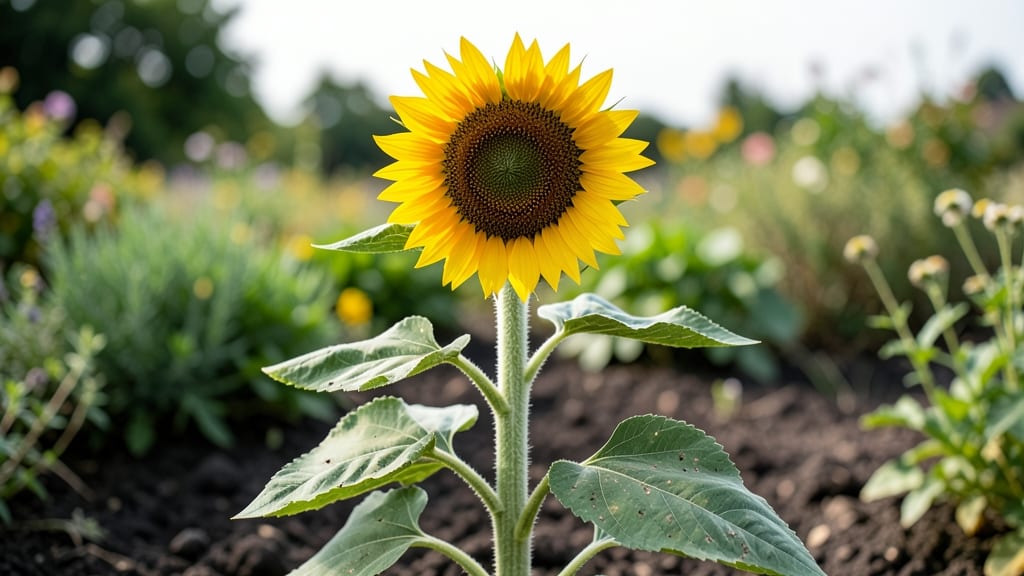
What time of year do sunflowers bloom? They light up gardens from late summer to early fall with golden splendor, but the exact timing depends on your USDA zone and the variety you choose.
Picture this: you’ve spent weeks nurturing those towering stalks, only to watch them bolt into leaves instead of flowers. That’s why knowing your local frost dates and sunflower types is the key to success.
In Zone 6a, like where I garden, planting in April yields blooms by July, while southern zones can start earlier. But dwarf varieties? They might flower in as little as 60 days, giving you a head start.
Below, I’ll break down the exact months for your zone, the fastest varieties to try, and how to stretch that blooming season—because nobody wants a one-shot show.
Sunflower blooming seasons by USDA hardiness zones: when to plant for peak flowers
Sunflowers thrive on warm days and long sunlight hours, making their blooming seasons tightly linked to your USDA hardiness zone. In cooler northern zones (3-6), you’ll see vibrant blooms from mid-summer to early fall, while southern zones (7-11) enjoy flowers stretching from late spring through winter.
Understanding these patterns lets you plan for peak color and even succession planting for continuous displays.
The key to timing is knowing your last frost date and selecting varieties that match your growing season. Early varieties like 'Teddy Bear' bloom in as few as 50 days, while giant types need 100+ days.
Your zone determines whether you can squeeze in a second planting for late-season blooms or must rely on cold-hardy varieties.
| USDA Zone | Planting Window | Bloom Season | Notes |
|---|---|---|---|
| 3-5 | Mid-May to early June | Late July to September | Short season; choose early varieties (50-60 days). |
| 6-7 | Late April to mid-May | June to October | Ideal for succession planting in late summer. |
| 8-9 | March to early April | May to November | Long season; try fall varieties for winter blooms. |
| 10-11 | January to February | March to December | Year-round blooms possible with winter varieties. |
In zones 3-5, where frost lingers until late May, I recommend starting seeds indoors in March for a head start. Transplant outdoors after your last frost, aiming for June blooms.
These northern gardens benefit from dwarf varieties like 'Moulin Rouge' (3-4 feet tall) to avoid flopping in windy conditions.
Gardeners in zones 6-7 have the most flexibility—planting in late April yields summer blooms, while a second planting in July extends color into October. This is perfect for cut flower arrangements or attracting pollinators like bees and butterflies.
Just be mindful of powdery mildew in humid summers by spacing plants 12-18 inches apart.
Southern zones (8-11) offer unique opportunities. In zone 10, I’ve seen sunflowers bloom in March if planted early, while zone 11 gardeners can enjoy flowers year-round with staggered plantings. For tropical climates, opt for heat-tolerant varieties like 'Autumn Beauty' that thrive in 90°F+ temperatures.
Adjusting for early vs. late varieties is simple: swap out fast-blooming types (like 'Sunspot') for slower ones (like 'Russian Giant') based on your zone. For example, in zone 5, 'Sunspot' (55 days) blooms by mid-July, while 'Russian Giant' (120 days) waits until September.
This lets you stagger blooms for a longer display.
Pro tip: Use a planting calendar to track your local frost dates. Most zones see their last frost between April 15 and May 15, but check your USDA zone map for precise timing.
I like to mark my calendar with three key dates: last frost, planting window, and expected bloom time for each variety.
For container gardening, dwarf varieties like 'Teddy Bear' (2-3 feet) bloom in 60 days and work well in pots. Place containers in full sun and use well-draining soil to prevent root rot. In urban areas, this lets you enjoy sunflowers even with limited space.
Remember, sunflowers are photoperiod-neutral, meaning they bloom based on plant maturity—not daylight hours. This makes them adaptable across zones, but always match your variety to your growing season length. With the right timing, you’ll have cheerful blooms from summer to fall—or even year-round in warm climates!
Fastest-blooming sunflower varieties: which types flower in 60 days or less?
If you're craving quick color in your garden, fast-blooming sunflowers deliver the perfect solution. These varieties mature in 60 days or less, making them ideal for short growing seasons or container gardens.
Unlike their towering cousins, these sunflowers pack big personality in small packages, with vibrant blooms that attract pollinators almost instantly.
For gardeners in USDA zones 3-7, these early varieties ensure you'll see summer cheer without waiting months. They're also perfect for cut flower arrangements or adding height to mixed containers. Let's explore the top performers that turn your garden into a sunflower paradise in record time.
| Variety | Days to Bloom | Height | Color | Drought Tolerance | Best For |
|---|---|---|---|---|---|
| Teddy Bear | 45-50 days | 1-3 ft | Yellow | Moderate | Containers, cut flowers |
| Moulin Rouge | 50-55 days | 3-4 ft | Red | High | Border planting, pollinators |
| Autumn Beauty | 55-60 days | 4-5 ft | Multi-color | Moderate | Cut flowers, wildlife |
| Sunspot | 50-55 days | 2-3 ft | Yellow | High | Containers, small gardens |
| Little Becka | 48-52 days | 1.5-2.5 ft | Yellow | Moderate | Cut flowers, pollinators |
My personal favorite for instant gratification is the 'Teddy Bear' variety—it blooms in just 45-50 days and stays compact enough for container gardening. Its cheerful yellow blooms are perfect for adding a pop of color to patios or balconies.
If you're after something more dramatic, 'Moulin Rouge' delivers stunning red blooms that catch everyone's eye.
For short growing seasons or cooler climates, prioritize varieties like 'Autumn Beauty' or 'Little Becka'. Both handle moderate drought and thrive in USDA zones 3-8.
Plant them in well-draining soil with full sun exposure for the fastest results. A little extra compost at planting can also give them a growth boost.
Pro tip: To extend your blooming season, deadhead spent flowers and provide consistent moisture during dry spells. These fast varieties often produce multiple blooms per stem, so you'll get even more color for your effort. Pair them with fast-growing companions like nasturtiums or marigolds for a vibrant, low-maintenance display.
Whether you're a beginner gardener or a seasoned pro, these quick-blooming sunflowers guarantee summer color without the wait. Start seeds indoors 4-6 weeks before your last frost date or sow directly in warm soil for the fastest possible blooms. Your garden will thank you!