
Blooming
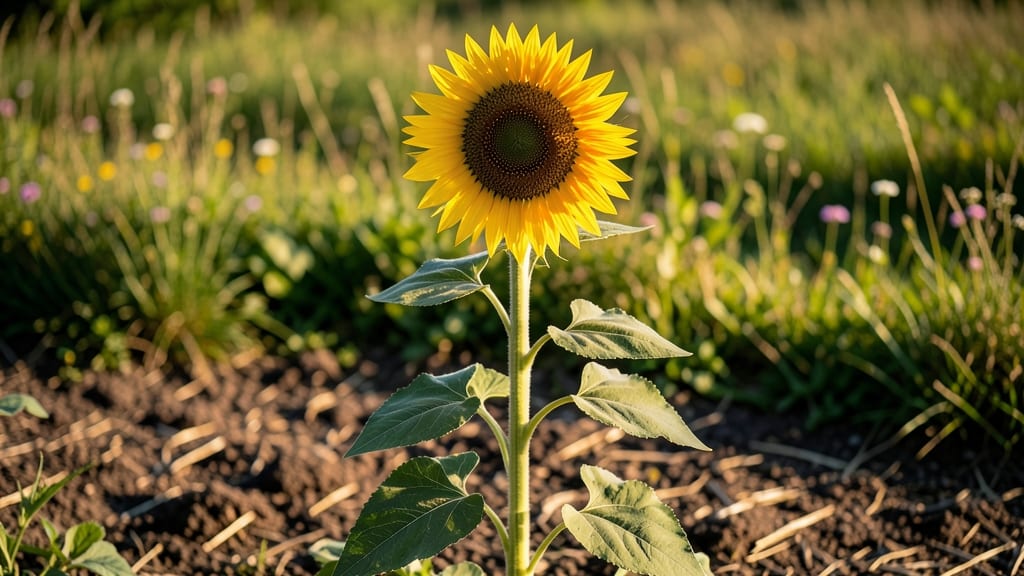
Sunflowers bloom in Illinois between late July and early October, with peak season varying by USDA zone and variety 🌻 — but timing isn’t just about the calendar.
Picture this: you’ve spent weeks nurturing your seedlings, only to watch them bolt into towering stalks with no flowers in sight. That’s the risk when you don’t account for Illinois’ 5b-6b climate zones, where northern gardens bloom earlier than southern ones.
In this guide, I’ll break down the exact months for each zone, plus how to adjust planting dates to stretch your sunflowers’ glory from July through October. No more guessing—just golden blooms on schedule.
You’ll also discover how soil prep, sunlight tricks, and variety choices can shift bloom times by weeks, ensuring your garden stays vibrant longer than your neighbors’. Let’s get started.
Sunflower bloom times in Illinois by USDA Zone (2024 guide)
Sunflowers in Illinois thrive under the sunny skies of their 6 USDA zones, but bloom times vary dramatically from northern Zone 5a to southern Zone 6b.
In colder northern regions, you’ll see early blooms as soon as mid-July, while southern gardens can enjoy continuous blooms until October. The key? Planting at the right time and choosing varieties that match your local climate.
Illinois’ diverse geography means northern gardens (like Chicago’s outskirts) get shorter growing seasons, while southern areas (near St. Louis) enjoy extended heat that keeps sunflowers blooming later.
Even within a single zone, early-season varieties like ‘Teddy Bear’ can bloom 3-4 weeks sooner than towering giants like ‘Russian Giant’.
Here’s the breakdown you need to plan your sunflower garden for maximum impact, including optimal planting windows and expected bloom periods for each zone. Pro tip: Use succession planting to stretch your blooms from July through October!
In Zone 5a, where last frost dates hover around May 1, start seeds indoors by April 1 for early blooms. Transplant outdoors after May 15 to avoid frost damage. Varieties like 'Teddy Bear' (dwarf) bloom in mid-July, while 'Moulin Rouge' (red-petaled) peaks in early August.
Gardeners in Zone 6b—like those near Cairo or Carbondale—can plant directly outdoors as early as April 1. Here, 'Russian Giant' sunflowers can reach 12+ feet and bloom from June through October.
For extended season blooms, plant succession crops every 2 weeks from April through June.
Adjust your planting schedule based on your local last frost date. Use this rule of thumb: count backward 70-90 days from your first expected frost (typically October 31 in Illinois). For example, in Zone 5b, planting by May 10 ensures blooms before frost.
Don’t forget: soil temperature matters just as much as air temperature. Sunflower seeds need soil temps above 50°F to germinate. Use a soil thermometer to check—if it’s below 50°F, wait or use black plastic mulch to warm the soil faster.
For northern Illinois, prioritize early-maturing varieties like 'Autumn Beauty', which produces bicolor blooms from July through September. In southern Illinois, heat-tolerant types like 'Evening Sun' thrive in 90°F+ temperatures and keep blooming until frost.
Pro move: stagger your plantings! Sow half your seeds in May and the other half in early June to create a continuous display. This works especially well for cut flower gardens or pollinator-friendly landscapes.
Watch for pest pressure in late summer—sunflower moths and birds love the seeds. If you’re growing for
How to extend sunflower blooming season in Illinois gardens
Sunflowers thrive in Illinois’ warm summers, but their blooming season can feel short—especially if you’re eager for those golden faces all season long. The key to extending their display lies in strategic planting and care.
By choosing the right varieties and timing your sowing, you can enjoy sunflowers from early summer through fall. Let’s explore how to push those blooms earlier or later for a longer show.
First, understand that Illinois’ USDA zones 5b-6b offer a range of microclimates, from cooler northern areas to hotter southern regions. This variety means you can tailor your approach to your specific location.
For example, northern Illinois gardeners should focus on early-blooming varieties, while southern Illinois can push for later-season blooms with heat-tolerant types. Start by selecting sunflower varieties that align with your goals.
Soil preparation is another game-changer. Sunflowers love well-draining soil rich in organic matter. Before planting, amend your soil with compost or aged manure to provide essential nutrients. This boosts root development, helping plants establish quickly and bloom sooner. In my garden, I always test my soil’s pH—sunflowers prefer a neutral pH of 6.0-7.0—and adjust with lime or sulfur if needed.
- Start Seeds Indoors for Early Blooms
- Use Succession Planting for Continuous Blooms
- Choose Heat-Tolerant Varieties for Later Blooms
- Direct Sow in Staggered Rows for Extended Season
- Mulch to Retain Soil Moisture and Cool Roots
For earlier blooms, start seeds indoors 4-6 weeks before your last frost date. In Illinois, this typically means sowing in early April. Use biodegradable pots to avoid disturbing roots during transplanting. Once seedlings have 2-3 true leaves, harden them off and transplant outdoors after the last frost.
This head start can push blooming by 2-3 weeks, giving you sunflowers as early as late June instead of July.
Succession planting is another trick I swear by. Instead of sowing all your seeds at once, plant new batches every 2-3 weeks from late April through early June. This ensures a steady supply of blooms throughout the season.
For example, if your first batch blooms in July, the second batch might follow in August, and the third in September. This method works especially well for dwarf varieties, which are perfect for containers and small spaces.
If you want to extend blooms into fall, opt for heat-tolerant varieties like ‘Autumn Beauty’ or ‘Moulin Rouge.’ These varieties handle Illinois’ late-summer heat better than others and continue producing blooms well into September or October.
Pair them with regular watering—deep watering every 2-3 days during dry spells—to keep roots cool and plants thriving. Don’t forget to mulch around the base to retain moisture and regulate soil temperature.
Finally, consider direct sowing in staggered rows. Plant seeds in 3-4 rows, spacing them 12-18 inches apart, and sow each row 10-14 days apart. This creates a wave of blooms that stretches from early summer to fall.
It’s a low-maintenance way to enjoy sunflowers for months without the hassle of transplanting. With these strategies, your Illinois garden can be a sunflower paradise from June through October!