
Vegetables
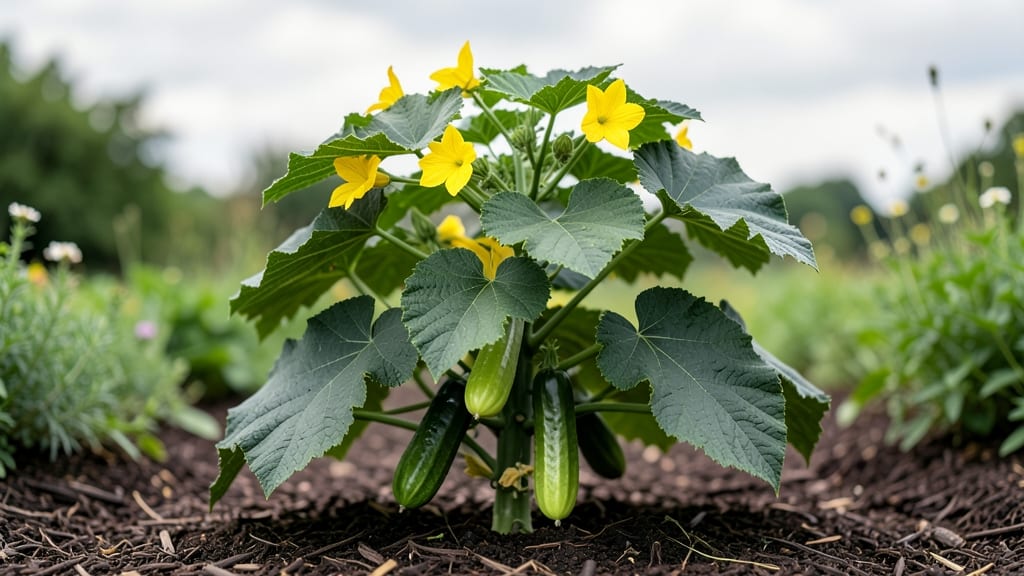
Bush cucumbers are the game-changer for small gardens and containers—compact vines that produce crisp, sweet cucumbers without sprawling across your yard. 🌱 I swapped out my traditional vining cucumbers last season, and the difference was immediate: no trellis needed, no sprawling chaos, and just as many cucumbers in half the space.
These varieties grow like bushes, not vines, making them perfect for balconies, raised beds, or even large pots on your patio.
The secret to their success lies in their growth habit: instead of sending out long, sprawling vines, bush cucumbers stay compact—typically reaching 3–4 feet tall and wide—while still delivering the same delicious harvest.
They thrive in full sun (6+ hours daily) and well-draining soil, and you can space them 12–18 inches apart, unlike their vining cousins that need 3–5 feet of room. This makes them ideal for gardeners with limited space or who prefer low-maintenance plants.
Caring for bush cucumbers is straightforward: keep the soil consistently moist (but not soggy), fertilize lightly with compost or balanced fertilizer every 2–3 weeks, and prune only to remove yellow leaves or leggy growth.
Harvest cucumbers when they’re 6–8 inches long for the best flavor, and you’ll enjoy a steady supply all season long. The best part? No trellis means no fuss, and the plants stay tidy and productive until frost.
If you’ve ever struggled with vining cucumbers taking over your garden—or if you’re new to growing and want something manageable—bush cucumbers are the way to go. They’re just as productive, easier to manage, and perfect for small spaces.
Try one variety like ‘Bush Champion’ or ‘Spacemaster,’ and you’ll wonder why you didn’t switch sooner!
📚 In This Guide
- What you need
- Instructions
- Tips and common mistakes
- Wrapping up and next steps
What you need
- ● Bush cucumber seeds: Choose a compact variety like 'Bush Champion' or 'Spacemaster' (5–10 seeds per plant, ~3 plants for a small harvest).
- ● Containers or raised beds: 5-gallon pots (1 per plant) or
- ● Raised beds (minimum 12" deep, 18" apart for airflow).
- ● High-quality potting mix: 1–2 bags (sterile, well-draining blend with compost).
- ● Organic fertilizer: Balanced 10-10-10 or compost tea (1 tbsp per plant at planting).
- ● Drip irrigation or watering can: For consistent moisture (avoid overhead watering).
- ○ Trellis or stakes (optional but helpful): 2–3 ft tall to support vines (even "bush" types may sprawl slightly).
- ● Mulch (straw or shredded leaves) to retain moisture.
- ● Row covers (floating fabric) for early-season pests.
- ● Pruning shears for trimming excess leaves (if needed).
- ● Grow lights (if starting indoors before last frost).
How to grow bush cucumbers in limited space
These compact vines deliver big harvests without sprawling—here's how to coax their best performance.
🌱 Step 1: Select the Right Variety and Planting Site
Choose a bush cucumber variety like 'Bush Champion' or 'Spacemaster'—these stay under 3 feet tall with minimal training. Look for labels specifying "bush" or "compact" to avoid traditional vining types that need trellises. Plant in full sun (at least 6-8 hours daily) with soil that drains well but retains moisture.
I always test soil pH before planting—bush cucumbers thrive in 6.0-6.8 range. Amend heavy clay with 2-3 inches of compost mixed into the top 12 inches of soil. The goal is loose, fertile ground that roots can penetrate easily without struggling. Space plants 2-3 feet apart in rows 3-4 feet apart to allow air circulation and reduce disease risk.
☀️ Step 2: Prepare Soil and Plant with Proper Spacing
Work the 2 gallons of 10-10-10 fertilizer into the soil at planting time—this gives roots an immediate nutrient boost. Create planting holes 1 inch deeper than the root ball to encourage downward growth. Gently remove plants from containers and loosen any circling roots with your fingers before placing them in holes.
Fill holes with soil until the plant sits at the same depth it did in the pot. Press firmly around the base to eliminate air pockets, then water deeply to settle everything. The soil surface should be 1 inch below the pot rim—this prevents rot while allowing roots to expand. I always water immediately after planting because transplanted roots need moisture to re-establish quickly.
💧 Step 3: Water Consistently and Monitor Growth
Bush cucumbers need 1-1.5 inches of water weekly, delivered at the base rather than overhead. I use drip irrigation or soaker hoses to keep foliage dry—this prevents powdery mildew, their most common enemy. Water in the morning so leaves dry by evening, reducing fungal risks. The soil should feel damp 2-3 inches down between waterings.
Watch for first true leaves (the second set after cotyledons) as your signal to start side-dressing with compost. When vines reach 12 inches tall, I add a low-nitrogen fertilizer like 5-10-10 to encourage fruiting over leaf growth. You'll know you're on track when plants produce 5-7 leaves before flowering begins—this means roots have established well.
✂️ Step 4: Prune and Support for Maximum Harvest
Unlike vining types, bush cucumbers rarely need trellising—but I still install small cages (3 feet tall) to keep fruits off damp soil. Remove any suckers that form in the leaf axils to concentrate energy on fruit production. Prune yellowing leaves regularly to improve air flow and reduce disease pressure.
The real key is fruit management. Harvest when cucumbers reach 6-8 inches long—this prevents over-maturation and encourages continuous production. I harvest every 2-3 days during peak season because unharvested fruits signal the plant to stop producing. The more you pick, the more it grows—it's a self-perpetuating cycle once established.
🌿 Step 5: Maintain Through Harvest Season
Continue weekly feeding with a balanced liquid fertilizer during fruiting. Bush cucumbers respond well to mulching with 2-3 inches of straw to retain moisture and suppress weeds. I always check the bottom leaves weekly for signs of powdery mildew—early treatment with neem oil saves the crop.
As fruits slow in late summer, reduce watering slightly to 1 inch weekly and stop fertilizing. This helps plants harden off naturally. The last flush of cucumbers often comes after a light frost warning—this is when you'll get your sweetest, most flavorful harvest. I always save seeds from the best-tasting fruits for next year's planting.
Tips & tricks for growing compact cucumber vines
These game-changing strategies will help you maximize your small-space harvest without the sprawl.
Variety Selection Matters: Beyond just choosing "bush" varieties, look for labels specifying "compact" or "determinate" growth habits—these stay under 3 feet tall and produce all their fruit at once. I've found 'Bush Champion' consistently outperforms others in containers because its vines stay dense and upright. The key difference? Determinate types stop growing after flowering, unlike vining cucumbers that keep producing until frost. This makes them perfect for small gardens or even large pots.
Soil Prep is Non-Negotiable: The 2-3 inches of compost in the top 12 inches of soil isn't just about nutrients—it's about creating the perfect air-to-water ratio for roots. I always mix in perlite or vermiculite (about 10% by volume) to improve drainage while maintaining moisture retention. This prevents both root rot and drought stress, which are the two biggest killers of bush cucumbers. Think of it as building a root-friendly sponge rather than dense clay.
Watering Wisdom: The 1-1.5 inches weekly recommendation is your baseline, but timing matters just as much. I've learned that morning watering isn't just about fungal prevention—it's about giving roots time to absorb moisture before the heat of the day. For container growers, check soil moisture by sticking your finger 2-3 inches down; if it's dry, water immediately. Overhead watering creates the perfect conditions for powdery mildew, which can wipe out your crop in weeks if left unchecked.
Harvest Timing is Everything: Those 6-8 inch cucumbers won't magically appear if you wait too long! I set a reminder every 2-3 days during peak season because unharvested fruits signal the plant to stop producing. The sweet spot is when cucumbers are firm, bright green, and reach about 80% of their final size. I always harvest first thing in the morning when the fruits are coolest—this prevents bruising and extends shelf life. Pro tip: Use a sharp knife or pruners to avoid damaging the vine.
Pro Tips for What Is A Bush Cucumber
- These game-changing strategies will help you maximize your small-space harvest without the sprawl.
- Variety Selection Matters: Beyond just choosing "bush" varieties, look for labels specifying "compact" or "determinat...
- Soil Prep is Non-Negotiable: The 2-3 inches of compost in the top 12 inches of soil isn't just about nutrients—it's a...
Frequently asked questions
Got questions about bush cucumbers? You’re not alone!
Here’s a quick breakdown of what gardeners and home cooks ask most often—plus answers to help you grow (and enjoy) these space-saving cucumbers like a pro.
What’s the difference between bush cucumbers and regular cucumbers?
Bush cucumbers are bred to stay compact—usually 3–4 feet tall—while traditional vining cucumbers can sprawl 6–12 feet. Bush varieties produce smaller fruits (often 3–6 inches) and don’t need trellises, making them ideal for containers, balconies, or small gardens.
How long does it take for bush cucumbers to grow and bear fruit?
From seed to harvest, expect 50–65 days for most bush varieties. With proper care (sun, water, and fertilizer), you’ll see flowers in 4–6 weeks, followed by cucumbers ready to pick in 2–3 weeks. Patience pays off—just don’t rush it!
Can I substitute bush cucumbers for regular cucumbers in recipes?
Their milder, sweeter flavor and smaller size make them perfect for salads, pickling, or snacking. For dishes needing long slicing cucumbers (like Asian stir-fries), slice them into rounds or use them whole if they’re large enough. Pro tip: Their thin skin is edible—no peeling needed!
Why aren’t my bush cucumbers producing fruit?
Common culprits include lack of pollination (hand-pollinate with a paintbrush if bees are scarce), temperature stress (cucumbers thrive at 70–90°F), or overcrowding. Check for pests (like cucumber beetles) and ensure plants get 1–2 inches of water weekly. A little TLC often revives production!
Are bush cucumbers good for containers? What size pot should I use?
Yes! Bush cucumbers are container champions. Use a pot at least 5–7 gallons (18–24 inches deep) with drainage holes. Add a balanced fertilizer and stake the plant lightly for support. Just ensure it gets 6+ hours of sunlight daily—they’re sun-worshippers!
Wrapping up and next steps
Bush cucumbers are a game-changer for gardeners with limited space—packing big flavor and productivity into small, manageable plants! 🌱 Whether you're a beginner or a seasoned grower, their compact vines and quick harvests make them a rewarding choice.
Now that you know how to grow and care for them, why not take the plunge and plant a few this season?
Start small with a single pot or patch to test the waters, and soon you’ll be enjoying fresh, homegrown cucumbers straight from your garden. Happy growing! 🌿