
Vegetables
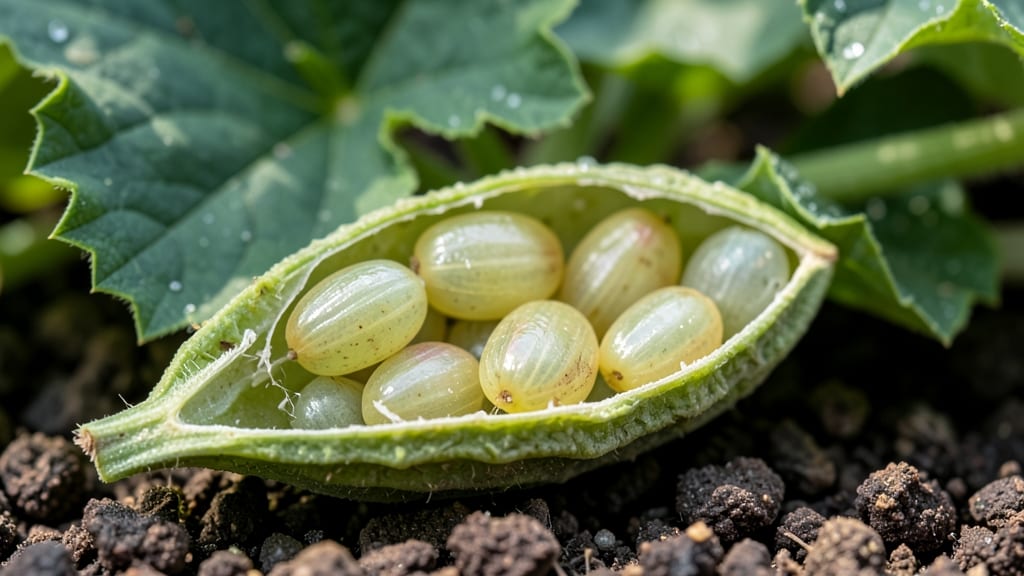
Growing snake cucumber seeds unlocks a perennial harvest that thrives where regular cucumbers fail. 🌱 I’ve watched these cold-hardy vines climb trellises in my Zone 5 garden, producing edible fruit long after summer’s end—no replanting needed.
The secret lies in their ability to survive light frosts and bounce back each spring.
You’ll need well-draining soil, partial shade in hot climates, and patience—these vines take 2-3 years to fully establish but reward you with year-round fruit and ornamental foliage. Start seeds indoors 6-8 weeks before last frost or sow directly in spring; they germinate best in warm soil (70°F+).
Once established, snake cucumbers are low-maintenance: water deeply but infrequently, prune to encourage bushier growth, and watch for spider mites (their only real pest). The fruit—small, snake-shaped, and mild when cooked—is a bonus; the heart-shaped leaves alone make this a garden showstopper.
Perfect for small spaces or cold regions where annual cucumbers struggle. Whether you’re growing for food, foliage, or both, these vines deliver reliable harvests with almost no effort. Let’s get those seeds planted!
📚 In This Guide
- What you need
- Instructions
- Tips and common mistakes
- Wrapping up and next steps
What you need
- ● Snake cucumber seeds: 5–10 seeds (or more if planting multiple vines). Opt for organic, non-GMO seeds for best results.
- ● Well-draining potting mix: 2–3 gallons (for seed starting) or garden soil amended with compost (for direct sowing).
- ● Containers or seed trays: 4–6" deep pots (for seedlings) or a seed-starting tray with drainage holes.
- ● Grow lights or sunny windowsill: 6–8 hours of light daily (or a sunny outdoor spot after germination).
- ● Watering can or spray bottle: For gentle hydration—avoid oversaturating seeds!
- ● Fertilizer: Balanced organic fertilizer (5-5-5 or similar) or compost tea for young plants.
- ● Gloves and knee pads: For comfortable planting and weeding.
- ● Trellis or sturdy stakes: 6–8 feet tall (snake cucumbers climb!)
- ● Mulch (straw or shredded leaves): To retain moisture and suppress weeds.
- ● pH testing kit: Ideal soil pH for snake cucumbers: 6.0–7.0.
- ● Row cover or frost cloth: For early/late-season protection in colder climates.
How to grow snake cucumber seeds for cold-hardy perennial harvests
This hardy vine thrives where others fail—here’s how to coax its cold-resistant growth.
🌱 Step 1: Stratify Seeds for Faster Germination
Snake cucumbers benefit from a cold stratification process to break dormancy. Place seeds in a damp paper towel, fold it, and seal in a plastic bag. Refrigerate for 4-6 weeks at 35-40°F—this mimics winter conditions and signals the seed it’s safe to sprout. Check weekly to ensure the towel stays moist but not soggy.
After stratification, transfer the bag to a warm spot (70-75°F) for 24-48 hours before sowing. You’ll see tiny cracks in the seed coat within a few days—that’s your cue they’re ready. Real talk: Skipping this step can delay germination by 2-3 weeks, especially in cooler climates.
🪴 Step 2: Sow in Well-Draining, Fertile Soil
Choose a site with partial shade to full sun (morning sun is ideal) and soil that drains well but retains moisture. Amend heavy clay with compost or sand to prevent waterlogging—snake cucumbers hate soggy roots. Plant seeds ½ inch deep, spacing them 12-18 inches apart in rows 2 feet apart to allow for sprawling vines.
Water gently after planting to settle the soil, but avoid overwatering. The seeds need consistent moisture to germinate, but standing water will rot them before they sprout. Mulch with 2-3 inches of straw after germination to suppress weeds and retain soil moisture without smothering the young plants.
☀️ Step 3: Provide Support and Prune for Productivity
Snake cucumbers are vigorous climbers, so install trellises or sturdy fencing at planting time. Train vines upward early to prevent sprawl and improve air circulation, which reduces disease risk. Prune aggressively in early spring to remove dead or weak growth—this encourages new, healthy shoots and ensures energy goes to fruit production.
Here’s the thing—these vines can get leggy. If you notice stems stretching too far between leaves, it’s a sign of insufficient light or overcrowding. Thin seedlings to the strongest 2-3 plants per trellis if needed, and watch for first true leaves (the second set after germination) to identify healthy specimens.
💧 Step 4: Water and Fertilize for Cold-Hardy Growth
Water deeply once a week during dry spells, aiming for 1 inch of moisture per week. Snake cucumbers are drought-tolerant once established, but consistent watering prevents fruit from becoming bitter. Water at the base in the morning to allow foliage to dry quickly—this prevents fungal issues like powdery mildew.
Fertilize lightly in early spring with a balanced 10-10-10 formula, then switch to a low-nitrogen, high-potassium blend (like 5-10-10) once flowers appear. Over-fertilizing leads to lush foliage but few cucumbers. You’ll know you’ve got the right balance when vines produce both male and female flowers—female flowers develop into fruit, while males support pollination.
⏰ Step 5: Harvest and Prepare for Overwintering
Harvest cucumbers when they reach 6-8 inches long and still feel firm to the touch. Use pruning shears to cut stems cleanly, leaving a small portion attached to the vine. Regular harvesting encourages more production—if you let fruit overripe, the plant will focus on seed development instead of new growth.
In fall, cut back vines to 6 inches tall and mulch heavily with straw or leaves to protect roots from freezing. Snake cucumbers are perennial in USDA zones 5-9, but even in colder areas, the roots often survive to produce again next spring. Mark planting locations clearly to avoid disturbing them during winter cleanup.
Tips & tricks for perfect snake cucumber perennial growth
These cold-resistant vines reward patience—here’s how to maximize their hardiness and productivity.
Stratification Timing: The 4-6 week cold treatment is non-negotiable for breaking dormancy, but don’t rush the warm-up phase. After removing seeds from the fridge, place them in a warm spot (70-75°F) for exactly 24-48 hours before sowing. This final warm-up mimics spring conditions and triggers the final germination cues. I’ve seen seeds that sat too long in warm conditions develop mold—keep the bag sealed but check daily for those telltale cracks in the seed coat.
Soil Preparation Secret: For the ½-inch deep planting depth specified, work compost into the top 6 inches of soil first. Snake cucumbers develop extensive root systems, so they need rich soil right where their roots will spread. If your soil is heavy clay, mix in sand at a 1:1 ratio with compost to improve drainage—waterlogged roots will stunt growth before the vines even emerge. The 12-18 inch spacing between plants might seem generous, but these vines spread aggressively once established.
Support System Strategy: Install trellises or fencing at planting time—don’t wait until vines start sprawling. The key is to train vines upward within the first week of growth. I’ve found that bamboo stakes work well for smaller gardens, while wire trellises provide better support for larger plants. Prune leggy stems early by cutting back to the third leaf node—this encourages bushier growth and better fruit production. The 2-3 plants per trellis guideline prevents overcrowding, which increases disease risk.
Watering Wisdom: The once-weekly deep watering (1 inch total) works best when done in the morning. This schedule prevents fungal issues by allowing foliage to dry completely during the day. In hotter climates, you might need to water every 5-6 days instead. I’ve noticed that snake cucumbers develop bitter fruit when watered inconsistently—stick to the schedule even if it rains occasionally. The mulch layer helps maintain even moisture levels without smothering young plants.
Pro Tips for Snake Cucumber Seeds
- These cold-resistant vines reward patience—here’s how to maximize their hardiness and productivity.
- Stratification Timing: The 4-6 week cold treatment is non-negotiable for breaking dormancy, but don’t rush the warm-u...
- Soil Preparation Secret: For the ½-inch deep planting depth specified, work compost into the top 6 inches of soil fir...
Frequently asked questions
Got questions about growing snake cucumber seeds? You’re in the right place! Here are answers to the most common queries—from planting to troubleshooting—so you can confidently cultivate this cold-hardy perennial.
When is the best time to plant snake cucumber seeds?
Plant snake cucumber seeds in early spring (after the last frost) or late summer for a fall harvest. Since they’re perennials, you can also transplant mature plants in spring or early fall for year-round growth in mild climates. In colder zones, start seeds indoors 6–8 weeks before the last frost for a head start!
Can snake cucumbers survive winter in my area?
Yes! Snake cucumbers are cold-hardy perennials (USDA Zones 3–10). In colder regions, mulch heavily with straw or leaves to insulate roots. In zones 4–6, they may die back but regrow in spring. For extra protection, grow them in containers and move them indoors during harsh winters.
How long does it take for snake cucumber seeds to germinate?
Germination usually takes 7–14 days in warm soil (60–70°F). Keep seeds moist but not soggy—use a humidity dome or plastic wrap to speed up the process. If soil is too cold (<50°F), germination may stall. Try a heat mat for faster sprouting in early spring!
What’s the difference between snake cucumbers and regular cucumbers?
Snake cucumbers are longer, thinner, and less watery than typical cucumbers, with a mild, slightly sweet flavor. They’re also perennial (regrow yearly) and thrive in poor soil, while regular cucumbers are annuals needing rich, fertile ground. Plus, snake cucumbers are drought-tolerant and produce for months!
How do I protect snake cucumbers from pests?
Use row covers for young plants to block cucumber beetles and aphids. Handpick pests early in the day when they’re sluggish. Plant companion herbs like basil or marigolds to deter insects. For fungal issues (like powdery mildew), improve airflow and spray with neem oil. No chemicals needed!
Can I grow snake cucumbers in containers?
Use a 5-gallon container or larger with well-draining soil. Ensure the pot has drainage holes and place it in full sun. Train vines with a trellis to save space. In winter, move containers to a garage or sunny window in colder zones. Just keep soil moist and fertilize lightly every 4–6 weeks.
Wrapping up and next steps
Growing snake cucumber seeds isn’t just about adding a unique twist to your garden—it’s about embracing resilience and sustainability with a cold-hardy perennial that rewards you with year-round harvests.
Whether you’re a seasoned gardener or just starting out, these hardy vines offer low-maintenance, high-reward potential, perfect for expanding your edible landscape without the fuss. 🌱
Now that you’re armed with the know-how, take the next step—order your seeds, prep your soil, and let nature do the rest! Start small, experiment with varieties, and soon you’ll be enjoying fresh, homegrown snake cucumbers straight from your garden. Happy planting! 🌿