
Light Requirements
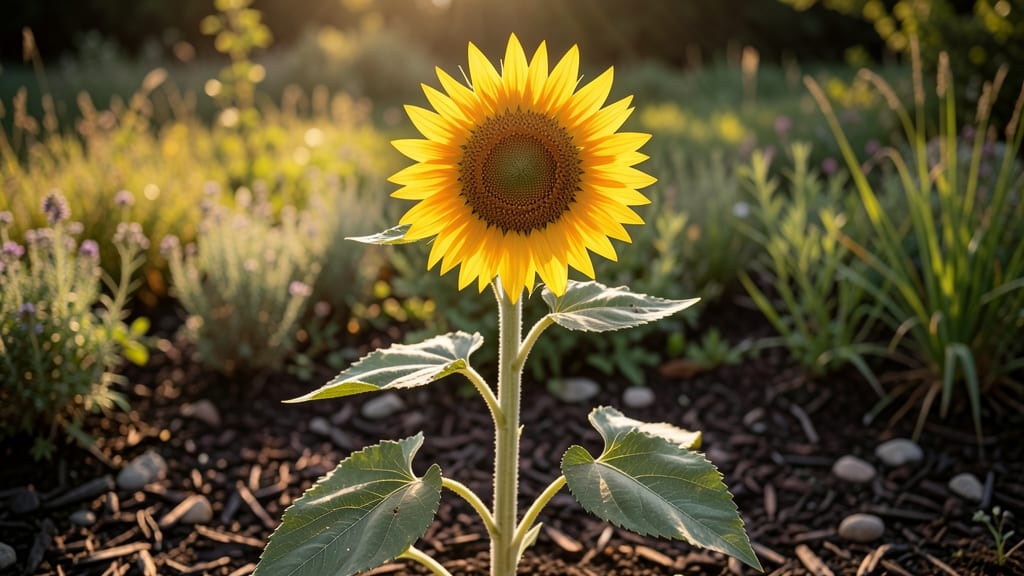
Meeting the sunflower sunlight requirements is the secret to growing towering, vibrant giants—more critical than soil or water. These plants need at least 6-8 hours of direct light daily to reach their full height and brilliant blooms.
Picture this: you’ve planted your seeds, watered them faithfully, and watched them sprout—only for them to stretch tall and lanky with tiny blooms. That’s your sunflowers begging for more light, and it happens more often than you’d think.
Sunlight isn’t just about hours; it’s about intensity. Partial shade might work for dwarf varieties, but standard sunflowers will struggle, producing weak stems and underwhelming flowers. Even a few hours less than ideal can cut their growth in half.
Here’s the good news: with the right placement and a few smart tricks, you can coax even the tallest sunflowers to thrive—whether you’re in a sunny backyard or a container on a balcony. Let’s get into how to make it happen.

How many hours of sunlight do sunflowers need daily?
Sunflowers are famous for their love of sunlight, but not all varieties thrive under the same conditions. Full sun exposure is critical for their growth and bloom height, but the exact requirements vary depending on whether you're growing giant sunflowers or dwarf varieties.
Without enough sunlight, you'll see leggy stems, small blooms, and poor seed production—even if you're watering and fertilizing correctly.
Most sunflowers need 6 to 8 hours of direct sunlight daily for optimal growth, but some varieties can tolerate slightly less. The key is understanding how sunlight affects their photosynthesis process and flower development.
Sunflowers convert sunlight into energy to fuel their rapid vertical growth, so even a few hours of shade can stunt their progress.
Here’s the breakdown you need to know—including how partial shade impacts different sunflower types—and how to adjust your garden setup for the best results.
| Variety | Sunlight Needs | Mature Height | Partial Shade Effect | Best For |
|---|---|---|---|---|
| Giant Sunflowers (e.g., 'Russian Giant', 'Mammoth') | 8+ hours daily | 10-16 ft | Stunted growth, smaller blooms | Full-sun gardens, tall borders |
| Standard Sunflowers (e.g., 'Autumn Beauty', 'ProCut') | 6-8 hours daily | 5-8 ft | Slower growth, fewer seeds | Cut flowers, mid-height borders |
| Dwarf Sunflowers (e.g., 'Teddy Bear', 'Moulin Rouge') | 5-6 hours daily (minimum) | 2-4 ft | Survives but blooms poorly | Containers, urban gardens, partial shade |
| Branched Sunflowers (e.g., 'Teddy Bear', 'Autumn Beauty') | 7-8 hours daily | 3-6 ft (multiple stems) | Fewer branches, smaller flowers | Mass planting, pollinator gardens |
Giant sunflowers like 'Russian Giant' are the most demanding, requiring 8+ hours of sunlight to reach their full 10-16 foot height. These varieties are bred for maximum growth, so even a few hours of shade can reduce their stem strength and flower size. If you're growing them in a garden with partial shade, expect stunted growth and blooms that are half the expected size.
For standard sunflowers, like 'Autumn Beauty' or 'ProCut,' 6-8 hours of sunlight is ideal. These varieties are more adaptable but still need plenty of light to produce large, vibrant blooms.
In partial shade, they’ll grow slower and produce fewer seeds, but they can still thrive if given at least 5 hours of direct light. These are great for cut flower gardens where height isn’t the primary goal.
Dwarf sunflowers, such as 'Teddy Bear' or 'Moulin Rouge,' are the most forgiving when it comes to sunlight. They can survive with as little as 5-6 hours of sun per day, making them perfect for containers or urban gardens with limited space. However, even these varieties will produce smaller blooms and fewer seeds if they don’t get enough light. They’re ideal for adding color to patios or balconies where full sun isn’t guaranteed.
Branched sunflowers, like 'Teddy Bear' or 'Autumn Beauty,' need 7-8 hours of sunlight to develop their characteristic multiple stems. Without enough light, they’ll produce fewer branches and smaller flowers, defeating the purpose of planting them for a full, bushy look. These are fantastic for pollinator gardens because their many blooms attract bees and butterflies.
If your sunflowers are in partial shade, you can still maximize their growth by using reflective mulches or planting them near light-colored walls. These surfaces bounce extra light onto the plants, mimicking full-sun conditions.
Additionally, rotating containers throughout the day can help ensure all sides of the plant receive equal sunlight exposure.
For
Signs your sunflowers aren’t getting enough sunlight (and how to fix it)
Sunflowers are called "sunflowers" for a reason—they crave sunlight more than most plants. When they don’t get enough, their growth becomes a sad shadow of their potential. Leggy stems, small blooms, and yellowing leaves are all red flags that your sunflowers are begging for more light.
Even if you’ve been watering and fertilizing properly, sunlight deficiency can turn your towering dreams into a stunted reality.
I’ve seen this happen with my own Russian Mammoth sunflowers—what should have been 12-foot giants ended up barely reaching my waist. The key is recognizing these early warning signs before it’s too late. Let’s break down the symptoms and how to fix them, even in less-than-ideal conditions.
Without enough light, sunflowers won’t just grow shorter—they’ll produce tiny blooms or no flowers at all. Even dwarf varieties need at least 4-6 hours of sun to thrive. If your sunflowers are showing these signs, act fast—relocating them or boosting light exposure can save the season.
First, watch for stretched or weak stems. Sunflowers grow toward light, so when they’re deprived, they’ll stretch out like overcooked spaghetti. This isn’t just unsightly—it makes them more prone to falling over or breaking in wind or rain.
If you notice your plants leaning or developing long, thin stems, they’re likely light-starved.
Another dead giveaway is small or underdeveloped blooms. Sunflowers should produce large, vibrant flowers that face the sun. If yours are staying tiny and closed or producing fewer petals, it’s a clear sign of insufficient sunlight.
In extreme cases, they might not bloom at all—just keep growing taller with no flowers in sight.
Don’t ignore yellowing leaves, either. While some yellowing can be normal as leaves age, widespread chlorosis (yellowing between veins) often means the plant isn’t getting enough energy from sunlight. Check the older leaves first—if they’re turning yellow and dropping off, your sunflowers need more light ASAP.
Here’s how to fix it: Move them to sunnier spots, use reflective surfaces (like white gravel or mirrors) to bounce light, or try companion planting with taller plants that won’t block sunlight.
For containers, place them on south-facing windowsills or use grow lights for 12-14 hours daily. Even a few extra hours of sun can make a world of difference!
With these fixes, your sunflowers will bounce back—producing taller stems, bigger blooms, and healthier foliage in no time. 🌻