
Light Requirements
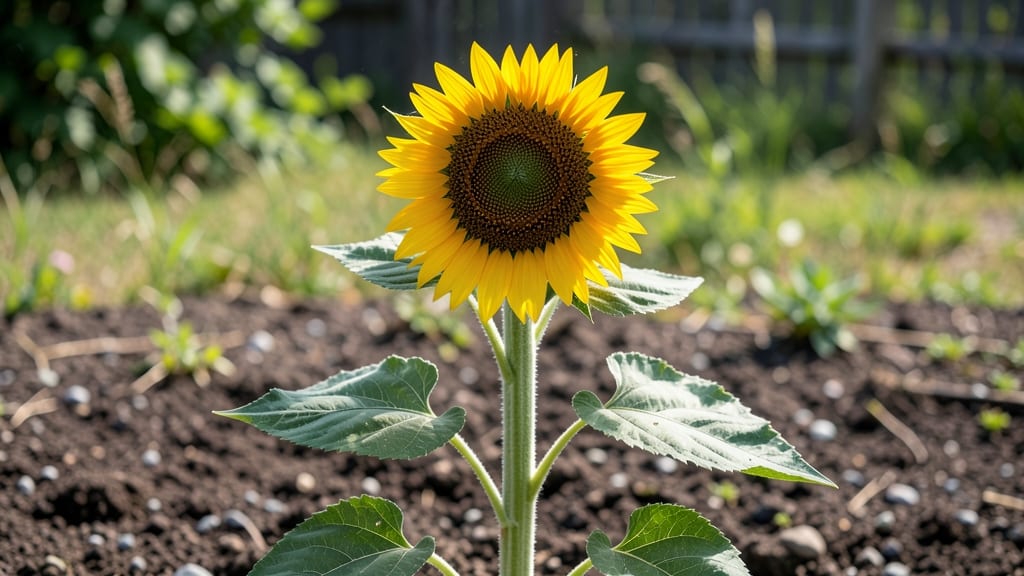
The sunflower light requirements are simple but critical: these towering beauties need full sun exposure to grow fast and reach their towering potential, with at least 6-8 hours of direct light daily.
But here’s the catch: not all sun is equal. A shady corner might slow growth, delay blooms, or even stunt your 🌻’s height—leaving you with a sad, leggy plant instead of a proud, sun-loving giant.
Whether you’re in a sunny backyard or a city balcony, getting the light right makes all the difference.
In this guide, I’ll break down exactly how much sunlight sunflowers need at every stage—from seedlings to mature stalks—and how to spot when they’re not getting enough. You’ll also learn practical tricks to maximize light, even in tricky spots, so your sunflowers grow stronger and faster than ever.
Ready to unlock the secrets of sunflower light? Let’s dive in.

How many hours of sun do sunflowers need for optimal growth?
Sunflowers are famous for their love of sunlight, but their light requirements change dramatically from seedling stage to full maturity. While they thrive in full sun, too little light can stunt their growth, delay flowering, and reduce seed production.
Understanding these stages helps you position your sunflowers for maximum success—whether in a backyard garden or urban container setup.
For optimal growth, sunflowers need 6 to 8+ hours of direct sunlight daily, but their needs shift as they mature. Seedlings tolerate slightly less light, while mature plants demand full sun exposure to reach their towering heights and produce vibrant blooms.
Without enough light, you’ll notice leggy stems, fewer flowers, and smaller seed heads.
| Growth Stage | Sunlight Requirement | Effects of Insufficient Light | Ideal Location |
|---|---|---|---|
| Seedlings (0-4 weeks) | 4-6 hours of direct sunlight | Leggy stems, weak roots, slower germination | Partial shade with morning sun |
| Vegetative Growth (4-8 weeks) | 6-8 hours of full sun | Stunted growth, fewer leaves, delayed flowering | South-facing garden beds or containers |
| Flowering (8-12 weeks) | 8+ hours of direct sunlight | Smaller blooms, fewer seeds, pale petals | Open, unobstructed sunny spots |
| Maturity (12+ weeks) | 6-10 hours of full sun | Reduced seed yield, weak stems, early senescence | Southwest-facing or open fields |
During the seedling stage, young sunflowers can handle 4-6 hours of sunlight but avoid placing them in deep shade. If your garden has limited sun, start seedlings indoors under grow lights for 12-14 hours daily, then transplant them outdoors once they’ve developed their first true leaves.
This gives them a head start before they’re exposed to full sun.
As sunflowers enter vegetative growth (4-8 weeks), their demand for sunlight increases. This is when you’ll see rapid stem elongation and leaf production. If they receive less than 6 hours of sun, their stems will stretch toward any available light, becoming weak and spindly.
To prevent this, rotate containers or reposition plants to ensure even light exposure on all sides.
When sunflowers begin flowering (8-12 weeks), they need 8+ hours of direct sunlight to produce large, vibrant blooms. Without enough light, flowers may develop pale petals or fail to open completely.
In my garden, I’ve noticed that sunflowers in partial shade produce flowers that are 30-50% smaller than those in full sun. For best results, choose a location with unobstructed sunlight from early morning to late afternoon.
At maturity, sunflowers continue to benefit from 6-10 hours of sunlight, though they can tolerate slightly less light as they focus on seed production. However, even mature plants will struggle in deep shade, resulting in lower seed yields and weaker stems prone to lodging.
If you’re growing sunflowers in urban gardens or near tall buildings, consider using reflective surfaces like white walls or mirrors to bounce extra light onto the plants.
Measuring sunlight intensity isn’t just about hours—it’s also about light quality. Full sun means 6+ hours of direct sunlight with minimal obstruction, while partial shade refers to 3-6 hours of sun with dappled light or afternoon shade.
To test your garden’s sunlight, use a sunlight tracker app or observe your space for a week. Mark areas that receive direct sunlight for 6+ hours—these are prime spots for sunflowers.
If your sunflowers aren’t getting enough light, you’ll notice tell-tale signs like yellowing leaves, stretched stems, or delayed blooming. In extreme cases, they may produce no flowers at all.
To compensate, supplement with LED grow lights (12-16 hours daily) or choose dwarf varieties like ‘Teddy Bear’ or ‘Sunspot,’ which tolerate slightly less light. Even with these adaptations, expect smaller plants and fewer seeds compared to full-sun conditions.
For gardeners in high-altitude or northern climates, sunlight intensity is stronger but hours of daylight are shorter. In these areas, prioritize south-facing locations and extend growing seasons with row covers
Best sunflower varieties for low-light vs. full-sun gardens
Not all sunflowers need 6+ hours of full sun to thrive. While classic varieties like Mammoth demand intense sunlight, some dwarf and hybrid types adapt beautifully to partial shade.
Choosing the right variety ensures vibrant blooms, even in urban gardens or shaded patios. Let’s explore the best options for your light conditions.
For full-sun gardens, varieties like Autumn Beauty and Russian Giant reach towering heights of 10-14 feet, but they also produce the most dramatic blooms. In contrast, Teddy Bear and Sunspot varieties thrive in partial shade (3-6 hours of sun), making them perfect for containers or shaded borders.
High-altitude gardens benefit from early-maturing hybrids like ProCut, which tolerate cooler climates.
⚠️ CRITICAL FACTOR: Even shade-tolerant sunflowers need at least 3 hours of direct sunlight daily. Without this, stems weaken, blooms shrink, and yields drop by up to 50%. Always check your garden’s light map before planting.
If your garden gets less than 3 hours of sun, opt for container-grown Teddy Bear varieties. Place pots near reflective surfaces (like white walls or mirrors) to bounce extra light onto leaves. For high-altitude gardens, ProCut hybrids mature faster in cooler temps, ensuring blooms before frost.
For urban gardeners, Sunspot sunflowers are my top pick—they rebloom after cutting, making them perfect for small spaces. Pair them with dwarf marigolds to attract pollinators and boost growth. Always plant seeds 1 inch deep and thin seedlings to 12 inches apart for optimal air circulation.
Pro tip: Use a sunlight tracker app to monitor your garden’s light exposure for 2 weeks before planting. This helps you match varieties to your space’s unique conditions. Even shade-loving sunflowers will reward you with cheerful blooms if given the right care!