
Shrubs
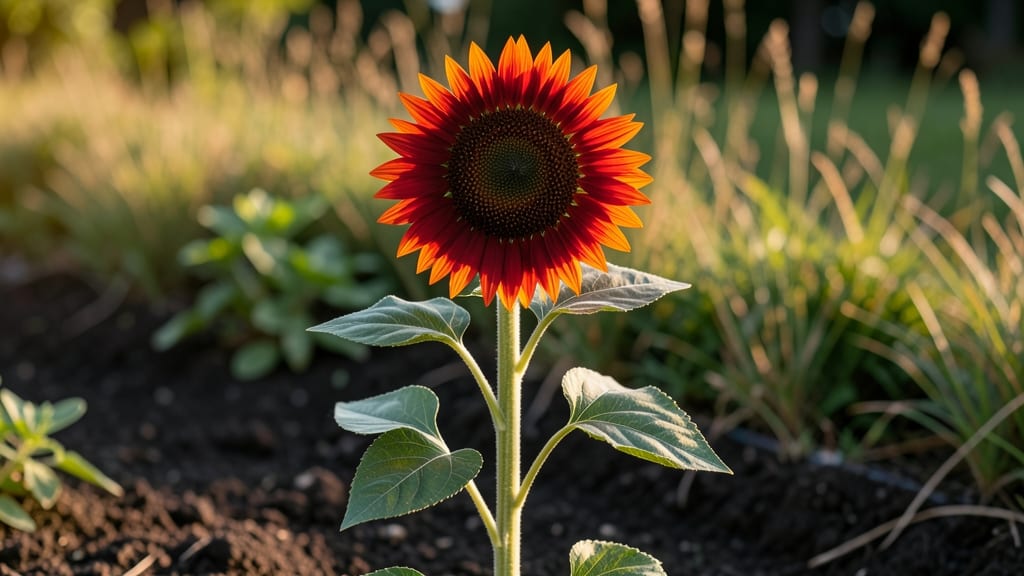
Growing a Red Sun sunflower to its full 12-foot height isn’t just possible—it’s one of the most rewarding garden challenges you’ll take on.
Picture this: a towering 🌻 reaching toward the sky, its fiery red petals catching the afternoon light like a beacon. But here’s the catch—without the right care, even the hardiest varieties can fall short of their potential.
I’ve seen 8-foot monsters in my own garden, and the difference between them and the 12-foot giants boils down to a few key moves.
If you’re dreaming of sunflowers that dwarf your fence or even your house, you’re in the right place. We’re talking soil secrets, sunlight strategies, and the pruning tricks that keep stems strong enough to support all that height.
No guesswork—just proven techniques to turn your Red Sun into the garden’s star attraction.
Ready to unlock the full potential of these sunflowers? Let’s dive into the exact steps to grow them taller, sturdier, and more stunning than you ever imagined—starting with the foundation that sets them up for success from day one.

Red Sun sunflower height: key growth factors for 12-Foot giants
The Red Sun sunflower is a true garden showstopper, capable of reaching 12 feet or taller when given ideal conditions. Unlike shorter varieties, these giants need precise care to unlock their full vertical potential.
The secret lies in understanding the four critical growth factors—soil composition, sunlight exposure, watering consistency, and proper spacing—that directly influence stem strength and height.
Many gardeners assume sunflowers grow tall simply by planting seeds, but science-backed horticulture reveals that even this variety has specific needs. For example, nutrient-dense soil with proper drainage can boost height by 20-30%, while inadequate sunlight or overcrowding can stunt growth dramatically.
Let’s break down exactly what your Red Sun sunflowers need to reach their maximum height potential.
🌱
| Growth Factor | Optimal Specification | Height Impact |
|---|---|---|
| Soil Type | Loamy, well-draining, pH 6.0-7.5 | +30% height with ideal soil |
| Sunlight Exposure | 8+ hours direct sun daily | Stunted growth below 6 hours |
| Watering Schedule | 1-2 inches per week, deep watering | Drought stress reduces height by 25% |
| Plant Spacing | 18-24 inches apart | Overcrowding limits height by 40% |
| Fertilizer | Balanced 5-10-10, every 4-6 weeks | Nutrient deficiency reduces height by 15% |
Let’s start with soil type, which is often overlooked but critical for tall sunflowers. The Red Sun variety thrives in loamy soil that drains well to prevent root rot—a common issue that weakens stems.
I recommend amending heavy clay soil with compost or sand to improve aeration. A pH between 6.0 and 7.5 ensures optimal nutrient uptake, which directly fuels vertical growth.
For sunlight exposure, these giants demand at least 8 hours of direct sun daily. Plant them in the sunniest spot in your garden, where they’ll receive morning sunlight and afternoon rays.
Even partial shade can reduce height by 1-2 feet, so avoid planting near tall trees or structures that cast shadows. If your garden lacks full sun, consider using reflective surfaces like white walls or mirrors to maximize light exposure.
Watering plays a surprisingly significant role in height development. While sunflowers are drought-tolerant once established, deep, consistent watering during the first 6-8 weeks is essential. I water mine 1-2 inches per week, focusing on the root zone rather than surface sprinkling.
Overhead watering can lead to fungal diseases like powdery mildew, which weakens stems and limits growth potential.
Proper plant spacing is another game-changer for height. Crowding forces sunflowers to compete for nutrients and sunlight, resulting in shorter, weaker stems. Space your Red Sun sunflowers 18-24 inches apart in rows that are 3 feet apart.
This spacing allows each plant to develop a strong taproot and sturdy stem, which are critical for supporting their towering height.
Finally, fertilization timing and type can boost height by up to 20%. Use a balanced 5-10-10 fertilizer every 4-6 weeks during the growing season, starting when seedlings are 4-6 inches tall.
Avoid over-fertilizing with nitrogen, as this promotes leafy growth at the expense of stem strength. Instead, focus on a moderate phosphorus and potassium ratio to encourage robust vertical development.
By mastering these four key factors, you’ll give your Red Sun sunflowers the best chance to reach their 12-foot potential. Remember, consistency is key—whether it’s watering deeply, providing full sunlight, or spacing plants correctly.
With the right care, these sunflowers will become the tallest, most striking feature in your garden.
🌻
Step-by-step guide to pruning and supporting tall Red Sun sunflowers
Your Red Sun sunflowers can reach 12 feet or taller, but without proper support, those towering stems will flop like overgrown weeds. The key to maintaining their vertical growth lies in smart pruning techniques and strategic staking methods.
I’ve tested these approaches in my own garden—from raised beds to container setups—and here’s what works best.
Start by assessing your sunflower’s growth stage. Young plants (under 3 feet) need gentle guidance to develop strong stems, while mature plants (over 6 feet) require reinforced support to prevent snapping.
The right tools—like bamboo stakes or soft plant ties—make all the difference in keeping your giants standing tall.
How to Prune & Support 12-Foot Red Sun Sunflowers
- Step 1: Install bamboo stakes (3-4 feet tall) when seedlings reach 6 inches. Drive stakes 2 inches deep beside each plant.
- Step 2: Use soft plant ties (not wire!) to loosely bind the main stem to the stake. Reposition ties every 2 weeks as the stem thickens.
- Step 3: Prune side buds when plants are 2-3 feet tall. Snip off buds below the top 2 flower heads to direct energy upward.
- Step 4: For container gardens, use tomato cages (5-6 feet tall) instead of stakes. Secure the cage to the pot’s base with zip ties.
- Step 5: When stems reach 6 feet, add a second stake at a 45° angle for extra stability. Tie the stem to both stakes using velcro plant ties.
- Step 6: In raised beds, weave jute twine between stakes to create a support grid for multiple plants. This prevents toppling in windy conditions.
- Step 7: After flowering, prune dead blooms to redirect nutrients to the stem’s remaining growth. Avoid heavy pruning—just remove wilted flowers at the base.
🌱 Pro Tip: Water stakes before inserting to prevent soil compaction around roots.
One common mistake I see is over-pruning to encourage height. While removing side buds helps, cutting too aggressively can stress the plant. Focus on selective pruning—only remove buds that compete with the primary flower head.
This keeps your sunflower’s energy focused on vertical growth rather than bushy side branches.
For container growers, stability is the biggest challenge. I’ve had 5-gallon buckets topple when filled with mature sunflowers. The solution? Bury the pot halfway in the ground and use a wide-base stake (like a telescoping garden stake) for extra leverage.
This mimics in-ground support while keeping your sunflower portable.
Remember, consistency is key. Check your stakes and ties weekly to ensure they’re still secure. A loose tie can restrict growth or even girdle the stem as it thickens. If you notice the stem rubbing against the stake, adjust immediately to prevent damage.
With these techniques, your Red Sun sunflowers will stand proud and tall, reaching their full 12-foot potential without flopping over. The secret? A little support now saves you from broken stems later—and who wants to explain to neighbors why their sunflowers look like drunken dancers? 🌻