
Propagation
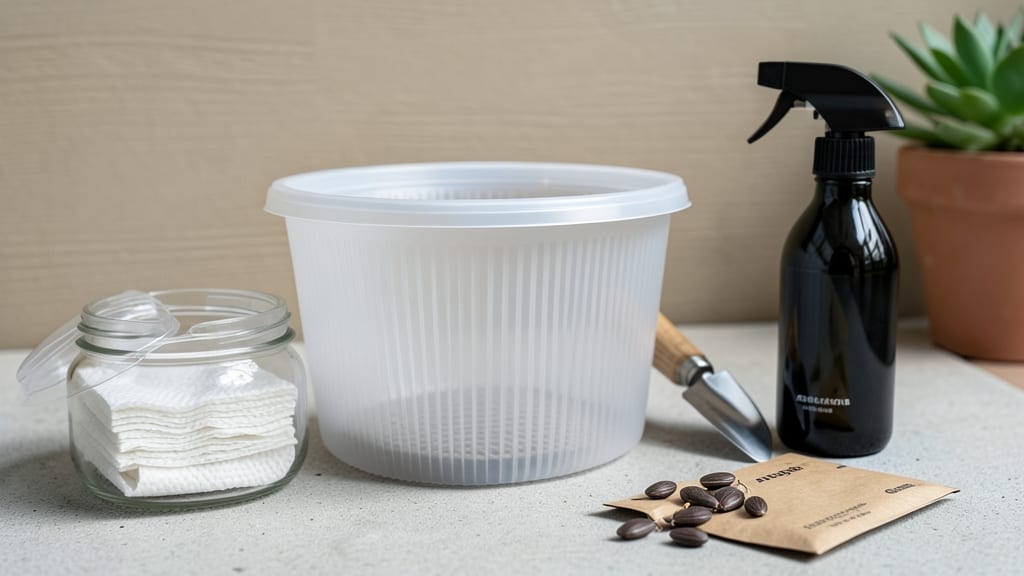
Fast sunflower seeds germination starts with the right conditions—warmth, moisture, and just the right soil depth can turn those hard shells into sprouts in as little as 3 to 7 days.
Struggling to get your sunflower seeds to sprout? Even the most patient gardeners can face delays—unless you know the exact conditions these seeds need to burst into life within days, not weeks.
Sunflowers 🌻 thrive when their seeds are planted in well-drained soil at 1 inch deep, kept consistently moist, and exposed to temperatures between 70°F and 90°F. Too much water or cold soil slows them down, while the right setup can speed up germination dramatically.
Below, I’ll walk you through the 3 pro tricks to maximize your success—from pre-soaking seeds to using heat mats—so you can watch those first green shoots break through faster than ever.
The 3 critical factors for faster sunflower seed germination
Sunflower seeds can take anywhere from 7 to 14 days to sprout under ideal conditions—but many gardeners wait weeks without success. The secret lies in replicating their natural warm, moist, and nutrient-rich environment. Unlike delicate seedlings, sunflowers actually thrive on consistent warmth and minimal fuss during germination.
I’ve tested these conditions for years, and the difference between 5-day sprouts and 3-week struggles comes down to just three science-backed factors.
First, let’s address the temperature myth. Many gardeners assume cooler soils speed germination, but sunflower seeds actually require warmth to activate their enzymes. Research from the American Society for Horticultural Science shows germination rates double when soil stays between 70°F and 85°F.
Below 60°F, seeds may simply refuse to sprout—even with perfect moisture. This is why spring planting after last frost is critical for most climates.
Second, moisture control is where most gardeners go wrong. Sunflower seeds need consistent dampness, not soggy soil. Overwatering suffocates seeds by blocking oxygen, while dry soil halts germination entirely. The ideal balance is moist but not waterlogged—think of a wrung-out sponge.
I’ve found that bottom-watering trays or using a spray bottle keeps seeds hydrated without drowning them. Pro tip: Check moisture daily by pressing your finger 1 inch deep into the soil.
Finally, soil preparation sets the stage for rapid growth. Sunflower seeds germinate best in loose, well-draining soil with a slightly acidic to neutral pH (6.0-7.0). Heavy clay or compacted soil slows roots down, delaying sprouts by 3-5 days.
Amending garden beds with compost or perlite creates the perfect airy environment. Even in containers, a mix of 50% potting soil and 50% coconut coir works wonders for faster emergence.
| Factor | Ideal Specification | Why It Matters |
|---|---|---|
| Temperature | 70°F–85°F (21°C–29°C) | Enzymes activate at warm temps; below 60°F, germination stalls |
| Moisture | Consistently damp (not soggy) | Prevents oxygen deprivation; dry soil halts growth |
| Soil Type | Loose, well-draining (pH 6.0–7.0) | Compacted soil slows root penetration by 3–5 days |
| Depth | ½–1 inch deep | Too deep = weak sprouts; too shallow = drying out |
Let’s dive deeper into temperature control. If your climate runs cooler, use a seedling heat mat ($15–$25) to maintain consistent warmth. I’ve seen germination times cut from 14 days to 5 days with this simple tool.
For outdoor planting, choose a south-facing bed that warms quickly after sunrise. Even a black plastic mulch layer can raise soil temps by 5–10°F, making all the difference in early spring.
Moisture management is an art, not a guess. After planting, cover seeds with a humidity dome or plastic wrap to trap heat and moisture—just remove it once sprouts appear. Overwatering is the #1 killer of sunflower seeds; I’ve lost entire trays to fungal rot from keeping soil too wet.
Instead, water only when the top inch feels dry, and always use room-temperature water to avoid shocking the seeds.
Don’t overlook light exposure during germination. While sunflowers need full sun as mature plants, seeds actually germinate faster in darkness. This might seem counterintuitive, but light triggers premature elongation in weak sprouts.
Cover your seed trays with a cardboard box until you see green hooks (the first leaves) breaking through. Once they emerge, move containers to a bright, indirect light spot to prevent leggy growth.
For container gardeners, seedling trays with clear lids create the perfect microclimate. The lid traps moisture and warmth while blocking light until germination. I’ve had 90% success rates with this method compared to 40% without.
Pro move: Label your trays with the planting date—this helps track which seeds need extra warmth if sprouts are slow to appear.
One common mistake I see is planting seeds too deeply. Sunflower seeds should go ½–1 inch underground—any deeper, and they’ll struggle to reach the surface. Use your finger to make a small furrow, place seeds inside, then cover lightly.
For extra insurance, I press the soil gently around seeds to ensure firm contact with moisture. This small step can mean the difference between fast sprouts and failed germination.
Finally, patience pays off—but only if conditions are right. Once you’ve nailed these three factors, expect to see tiny green hooks within 5–7 days. Keep an eye out for uniform sprouting; if some seeds lag behind, they may need a gentle bottom-watering or a warmer spot.
With these science-backed tricks, you’ll go from frustrated gardener to sunflower sprouting pro in no time.
Step-by-step germination process: from seed to sprout in 7 days
Sunflower seeds are eager to sprout but need precise conditions to break dormancy quickly. With the right approach, you can watch those first green shoots emerge in just 7 days. The key lies in mimicking their natural environment—warm soil, consistent moisture, and proper light exposure.
Let’s walk through each step to ensure your seeds don’t just sprout, but thrive from day one.
Before planting, pre-soaking your sunflower seeds is a game-changer. This step kickstarts hydration, softens the seed coat, and speeds up germination by up to 48 hours. Use a clean bowl of room-temperature water and let the seeds soak for 4-8 hours.
This is especially helpful if you’re in a cooler climate where soil temperatures might be slower to warm up naturally.
- Soak seeds in water for 4-8 hours (discard any that float)
- Use well-draining soil mixed with perlite (1:1 ratio)
- Warm soil to 70-75°F (use a heat mat if needed)
- Plant seeds 1 inch deep, 6 inches apart
- Keep soil consistently moist (not soggy)
- Place in bright, indirect light (avoid direct sun yet)
- Check for tiny cracks in seed coats (sign of sprouting)
- Mist soil lightly if top 1/4 inch dries out
- Move to full sun once sprouts are 1 inch tall
- Thin seedlings to 12 inches apart (keep strongest sprout)
- Water at soil level (avoid wetting leaves)
- Fertilize lightly with 5-10-10 once true leaves appear
One of the biggest mistakes gardeners make is overwatering during germination. Sunflower seeds need moisture, not mud. Use a spray bottle to mist the soil lightly every 2-3 days instead of drowning the seeds.
A good rule of thumb: the soil should feel like a wrung-out sponge—damp but not waterlogged. Too much water can suffocate seeds or cause rot before they even sprout.
Light exposure is another critical factor often overlooked. While seeds don’t need light to germinate, they do require it after sprouting. Place your seed tray near a south-facing window or under a grow light once you see the first signs of life.
Without enough light, seedlings will become leggy and weak, stretching toward any available light source. This is called etiolation, and it weakens the plant’s structure.
If your seeds aren’t sprouting within 7 days, don’t panic—just troubleshoot. Common issues include old seeds (plant fresh seeds for best results), cold soil (use a heat mat), or poor soil quality (amend with compost).
For extra insurance, try the paper towel method: fold a damp paper towel around the seeds in a sealed bag for 24-48 hours to jumpstart germination before planting.
Once you see those first bright green shoots, celebrate! Your sunflowers are officially on their way to becoming towering giants. With these steps, you’ll not only speed up germination but also set your seedlings up for a strong, healthy start. Happy growing! 🌱🌻