
Companion Plants
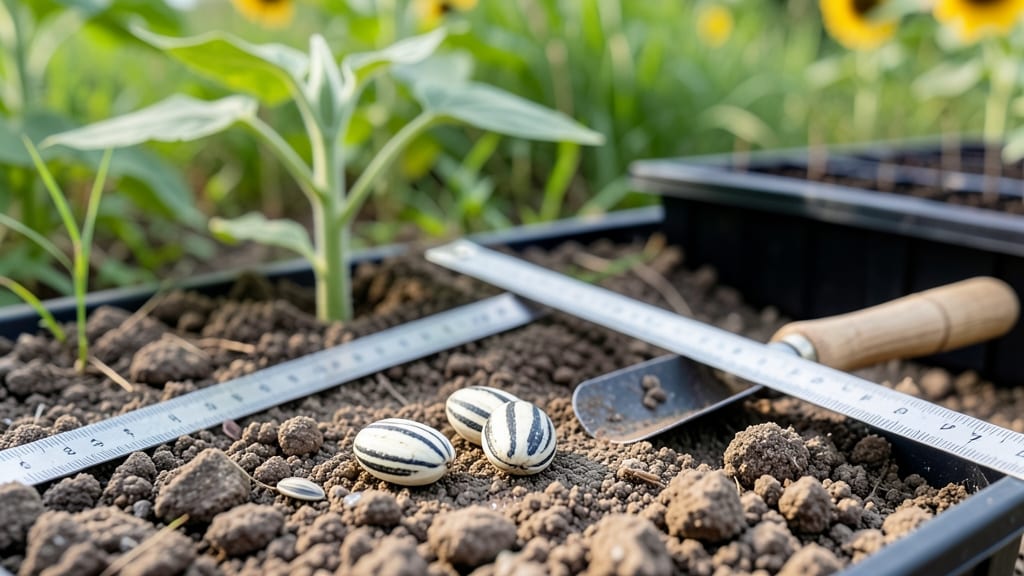
If you're wondering how deep should I plant sunflower seeds, the answer is simple: aim for 1 inch below the soil surface — this ensures strong roots and steady growth without smothering the seed.
Struggling to grow sunflowers? Planting them too shallow risks drying out the seed, while burying them too deep can delay or prevent germination entirely. The 1-inch rule strikes the perfect balance, especially in well-draining soil.
Sunflowers thrive in Zone 6a when planted in spring, and proper depth is just one piece of the puzzle. Beyond that, spacing, sunlight, and soil type play critical roles in whether your seeds sprout into towering 🌻 giants or fizzle out before reaching their potential.
In this guide, I’ll walk you through the exact depth for different sunflower varieties, how to adjust for your soil, and the common mistakes that trip up even experienced gardeners. Let’s get those seeds growing!
Optimal sunflower seed planting depth by variety and soil type
Getting the planting depth right for your sunflower seeds is the first step toward strong, vibrant plants. While the general rule is 1 inch deep, this can vary based on your sunflower variety and soil type.
Planting too shallow risks drying out seeds, while burying them too deep can suffocate sprouts before they reach sunlight. Let’s break down the ideal depths for giant, dwarf, and oilseed varieties—plus how to adjust for sandy vs. clay soil—to ensure your sunflowers thrive from day one.
Sunflower seeds contain a high concentration of oils, which means they need just the right balance of moisture and air to germinate. In loamy soil, the standard 1-inch depth works perfectly, but sandy soil drains faster, so you might plant slightly shallower (½ to ¾ inch).
Conversely, clay soil holds moisture longer, so you can plant a tad deeper (1 to 1½ inches) to prevent rot. Always loosen the soil first to avoid compacting around the seeds—this helps roots establish more easily.
Variety matters when it comes to planting depth. Giant sunflowers (like 'Mammoth' or 'Russian Giant') have larger seeds and need consistent moisture, so stick to 1 inch deep. Dwarf varieties (such as 'Teddy Bear' or 'Sunspot') have smaller seeds and can handle slightly shallower planting (½ inch) in well-draining soil. Oilseed sunflowers, often grown for their seeds, also prefer 1 inch deep but benefit from a firmer soil press after planting to stabilize the seed.
For container growing, adjust your depth slightly. Since pots dry out faster, plant seeds ½ inch deep in a mix of potting soil and compost. Use containers at least 12 inches deep to accommodate root growth, and always include drainage holes to prevent waterlogging.
If you’re sowing multiple seeds in a container, space them 6 inches apart and thin to the strongest sprout once they’re 2 inches tall.
Here’s a quick reference table to guide your planting depth based on variety and soil type. Bookmark this for your next gardening session!
After planting, keep the soil consistently moist (not soggy) for the first 2 weeks to encourage germination. A light mulch of straw or shredded leaves helps retain moisture and suppress weeds.
If you’re in a dry climate, consider using a drip irrigation system to deliver water directly to the roots without disturbing the soil surface.
Watch for sprouts in 7–14 days, depending on temperature. If germination is slow, gently loosen the soil around the seeds to improve airflow. Once seedlings emerge, thin them to 12–24 inches apart (depending on variety) to give each plant enough room to grow.
This step is crucial—crowded sunflowers compete for nutrients and sunlight, leading to weaker stems and smaller blooms.
Pro tip: If you’re planting in late spring or early summer, opt for fast-maturing varieties like 'Autumn Beauty' to maximize your growing season. These varieties tolerate slight depth variations better and still produce stunning multi-colored blooms.
For fall planting, choose cold-hardy types like 'Russian Mammoth' and plant 1 inch deep in well-drained soil to avoid rot in cooler temperatures.
Remember, the key to successful sunflower growth starts with the right planting depth. Whether you're growing giant sunflowers for show or dwarf varieties for containers, adjusting for your soil type and climate will set your plants up for success. Happy planting! 🌻
Common mistakes that stunt sunflower growth (and how to fix them)
Sunflowers are resilient plants, but even they struggle when planted at the wrong depth. Too shallow, and seeds dry out before sprouting. Too deep, and seedlings waste energy reaching the surface, leading to weak stems.
I’ve seen gardeners lose entire patches because of these simple errors—don’t let it happen to you!
Most sunflower seeds need to be planted just 1 inch deep in well-draining soil. This depth balances moisture retention and air circulation, which are critical for germination. But even with the right depth, other mistakes—like inconsistent planting or overwatering—can derail your sunflowers before they reach their full 6-16 ft potential.
⚠️ callout warning
- Too shallow (less than ½ inch): Seeds dry out before sprouting. Fix by pressing soil gently over seeds to ensure 1 inch coverage.
- Too deep (over 1.5 inches): Seedlings struggle to emerge, leading to leggy, weak plants. Loosen soil before planting to prevent compaction.
- Inconsistent depth: Uneven sprouting creates gaps in your garden. Use a ruler or stick to mark 1 inch depth consistently.
Pro tip: In clay soil, mix in compost to improve drainage and prevent seeds from suffocating.
Another common mistake is overwatering after planting. While sunflowers need 1-2 gallons of water every 3-5 days, soggy soil can suffocate seeds. Always water gently to avoid displacing seeds or creating air pockets that trap moisture.
Let the top inch of soil dry slightly between waterings to encourage strong root development.
Compacted soil is another silent killer of sunflower growth. If your garden soil feels hard when pressed, it’s likely too dense for seeds to push through. Before planting, loosen the soil with a fork or tiller to a depth of 6 inches.
This creates room for roots to spread and prevents seedlings from bending as they reach the surface.
Inconsistent planting depth can also lead to uneven growth. If some seeds sprout deeper than others, the resulting plants will compete for sunlight and nutrients, stunting their development.
Use a simple tool like a popsicle stick or ruler to ensure every seed is planted at the same 1 inch depth. This small step can make the difference between a patchy sunflower bed and a thriving, uniform display.
Finally, don’t forget that sunflowers need full sun (6+ hours daily) to grow strong and tall. If your garden is shaded, consider planting dwarf varieties like ‘Teddy Bear’ or ‘Moulin Rouge,’ which tolerate partial shade better than giant varieties.
Even with perfect depth, inadequate sunlight will leave your sunflowers leggy and weak.
By avoiding these common mistakes—wrong depth, overwatering, and compacted soil—you’ll give your sunflowers the best start possible. With the right care, you’ll be enjoying towering, vibrant blooms in no time! 🌻