
Companion Plants
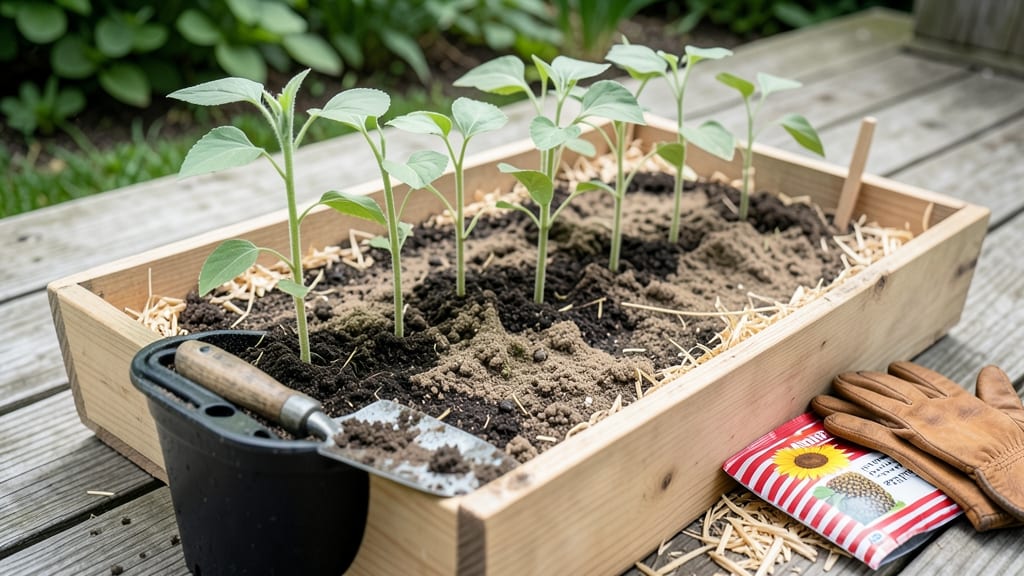
Planting sunflower seeds in Zone 7 after your last frost date — typically mid-April — gives them the fast start they need to reach towering heights before summer heat arrives.
Sunflowers aren’t just stunning additions to your garden—they’re also fast-growing, drought-tolerant plants that thrive when planted at the right time. In Zone 7, timing your sunflower seeds perfectly ensures towering blooms and minimal frost damage.
Direct sowing is the easiest method, but soil temperatures matter: wait until the ground warms to at least 50°F for best germination. Planting too early risks stunted growth, while waiting too long may cut your harvest short.
Here’s the exact timeline for Zone 7, plus tips to extend your growing season and avoid common mistakes that slow down those giant stems.
Optimal planting windows for sunflower seeds in Zone 7
Sunflowers love Zone 7's warm days, but planting them too early or late can mean stunted growth or frost damage. The key is understanding your last frost date (around April 15) and soil temperatures.
In my experience, direct sowing after the soil warms to 50°F gives the best results.
For fastest germination, aim for mid-May through early June when daytime temps consistently stay above 60°F. This window ensures your sunflowers have 8-10 weeks of growth before first frost in October. I’ve found that planting too early risks cold soil, which delays sprouting.
Here’s my go-to planting timeline for Zone 7 sunflowers, including soil temperature and frost risk factors:
| Planting Window | Soil Temp (°F) | Frost Risk | Days to Maturity | Notes |
|---|---|---|---|---|
| Early Spring (Late April) | 45-50°F | High (late frosts) | 90+ days | Risky; use cold frames or row covers |
| Ideal Window (Mid-May to Early June) | 55-65°F | Low | 60-75 days | Best for tall varieties; full sun |
| Summer (July) | 60-75°F | None | 50-60 days | Fastest growth; great for dwarf varieties |
| Fall (Late August) | 55-60°F | Moderate (early frost) | 75-90 days | Choose fast-maturing varieties; protect from frost |
For early spring plantings, I recommend using row covers or black plastic mulch to warm the soil faster. This is especially helpful if you’re eager to grow tall varieties like ‘Mammoth’ or ‘Russian Giant,’ which need 90+ days to reach their full height.
If you’re planting in late summer (August), opt for fast-maturing varieties like ‘Teddy Bear’ or ‘Autumn Beauty,’ which can still produce blooms before first frost. Just be prepared to harvest seeds early if temps drop suddenly.
One pro tip I’ve learned: Soil temperature matters more than air temperature. Use a soil thermometer to confirm 50°F+ before planting. Cold soil can delay germination by 1-2 weeks, cutting into your growing season.
For succession planting, sow new seeds every 2-3 weeks from May through July. This ensures a continuous display of blooms and extends your harvest window. I’ve had great success with this method in my Zone 7 garden.
Finally, remember that sunflowers are heavy feeders. After planting, side-dress with compost or balanced fertilizer (like 5-10-10) when seedlings are 6 inches tall. This boosts their stem strength and flower production.
How to extend your sunflower growing season in Zone 7
Sunflowers are summer's showstoppers, but in Zone 7, you don't have to wait for the traditional planting window to enjoy their towering beauty. By using smart strategies, you can extend your sunflower season and enjoy blooms from early summer through fall.
The key lies in succession planting, seasonal adjustments, and protective growing methods that shield tender seedlings from late frosts or early chills.
One of my favorite tricks is succession planting—sowing new seeds every 2-3 weeks after the last frost date (around April 15 in Zone 7). This staggered approach ensures a continuous display of blooms instead of a single, short-lived burst of color.
For example, if you plant your first batch in early May, follow up with additional plantings in mid-May, late May, and early June. This method also helps manage space efficiently, especially for taller varieties.
Cold frames and mini greenhouses are game-changers for early or late season sunflowers. These low-cost structures raise soil temperatures by 10-15°F, allowing you to start seeds 2-3 weeks earlier than the traditional timeline. Simply place the frame over your sunflower seedlings once they sprout, and remove it once nighttime temperatures consistently stay above 50°F. This extends your growing window by 4-6 weeks on either end of the season.
Here’s how to maximize your sunflower season with proven strategies:
- 1 Start with cold-hardy varieties: Choose 'Autumn Beauty' or 'Moulin Rouge'—both tolerate cooler temperatures better than standard types. These varieties can handle light frosts and still produce vibrant blooms.
- 2 Use row covers: Lightweight frost cloth (rated for 28°F) protects seedlings from unexpected late frosts. Drape it over plants at night and remove it during the day to allow sunlight. This buys you 2-3 extra weeks of growth before transplanting outdoors.
- 3 Companion planting: Pair sunflowers with basil, marigolds, or borage to deter pests like aphids and spider mites. Basil, in particular, repels sunflower moths, while marigolds attract beneficial predatory wasps. Space companions 12-18 inches away to avoid competition for nutrients.
- 4 Adjust spacing for density: When succession planting, reduce spacing from 18 inches (standard) to 12 inches for dwarf varieties like 'Teddy Bear' or 'Moulin Rouge'. This creates a lush, continuous bloom effect while maximizing your garden’s vertical space.
- 5 Fall planting hack: Sow a final batch in late July or early August for blooms that appear just before the first frost. Choose fast-maturing varieties (50-60 days to bloom) like 'ProCut' or 'Russian Giant' to ensure they reach maturity before October 15, the average first frost date in Zone 7.
Don’t overlook the power of container gardening for extending your season. Grow sunflowers in large pots (12+ inches deep) and move them to sunnier spots as the season progresses.
This flexibility lets you rotate crops and protect plants from early autumn chills by bringing them indoors overnight if temperatures dip below 40°F. Just ensure containers have drainage holes to prevent root rot.
Finally, mulch heavily around your sunflowers with straw or shredded leaves to insulate roots and retain moisture. This simple step can delay transplanting by 1-2 weeks in spring and prolong blooming into early fall.
Combine these strategies, and you’ll enjoy sunflowers from June through October—or even later with a little creativity!
With these techniques, your sunflower garden will be a year-round spectacle, proving that Zone 7’s growing season can be longer—and more vibrant—than you ever imagined. 🌻