
Advice
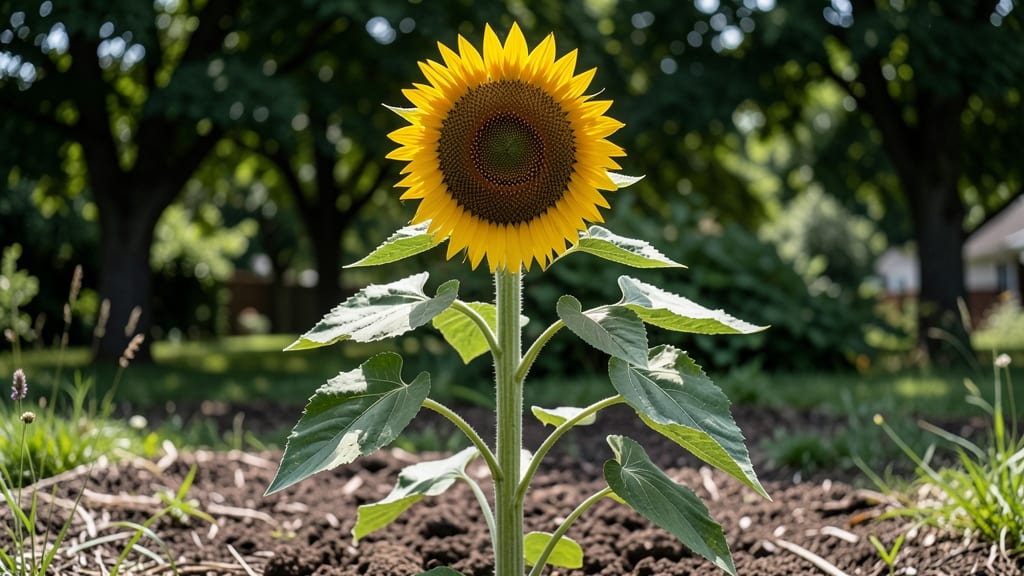
Knowing the sunflower days to maturity for your variety is the difference between a towering harvest and a season of waiting—and wondering why those seeds never ripened.
Did you know some 🌻 sunflowers bloom in as little as 50 days while others take over 120 days? That range explains why your neighbor’s garden looks like a sunflower forest while yours is still waiting for buds.
The secret isn’t just luck—it’s picking the right variety for your climate and goals.
Whether you’re growing sunflowers for cut flowers, birdseed, or just the joy of watching them stretch toward the sky, the days-to-maturity label is your roadmap. Too short, and you’ll miss peak bloom; too long, and frost steals your harvest before the seeds dry.
Here’s how to use those numbers to time your planting perfectly, choose the best varieties for your zone, and even speed up growth with a few pro tips. Let’s get those sunflowers standing tall—and on schedule.
Sunflower variety days to maturity: complete growth timeline by type
Planning your sunflower garden starts with understanding days to maturity—the time from planting to harvest. This varies dramatically between varieties, from 50-day dwarf types to 120-day giants.
Knowing these timelines helps you choose varieties that fit your growing season, whether you're aiming for early blooms, seed production, or cut flowers. Let's explore the exact maturity windows for 12+ popular sunflower types and their ideal planting windows across USDA zones 3-10.
For quick reference, here's a breakdown of sunflower categories by growth speed and purpose. Confectionery types (like 'Autumn Beauty') mature fastest, while oilseed varieties (such as 'Mammoth') take the longest.
Dwarf varieties offer early rewards, while giant sunflowers (like 'Russian Giant') require patience but deliver stunning results. Let's dive into the specifics to help you plan your perfect sunflower harvest.
| Variety | Type | Days to Maturity | Height Range | Best Planting Window (Zones 3-10) | Key Use |
|---|---|---|---|---|---|
| Teddy Bear | Dwarf Confectionery | 50-55 days | 12-18" | Late April - early June | Cut flowers, bird feed |
| Autumn Beauty | Dwarf Confectionery | 55-60 days | 18-24" | Early May - mid-June | Cut flowers, seeds |
| Moulin Rouge | Dwarf Confectionery | 55-60 days | 20-24" | Late April - early June | Cut flowers, containers |
| Sunspot | Dwarf Oilseed | 60-65 days | 24-36" | Mid-May - late June | Oil production, bird feed |
| ProCut | Semi-Dwarf Cut | 65-70 days | 36-48" | Early May - mid-June | Cut flowers, bouquets |
| Russian Giant | Giant Oilseed | 100-120 days | 10-14 ft | Late April - early May | Seed production, ornamental |
| Mammoth | Giant Oilseed | 110-120 days | 12-14 ft | Late April - early May | Seed production, bird feed |
| Lemon Queen | Confectionery | 80-90 days | 48-60" | Early May - mid-June | Cut flowers, seeds |
| Evening Sun | Confectionery | 90-100 days | 54-72" | Late April - early May | Cut flowers, bird feed |
| Sunrich | Oilseed | 90-100 days | 60-80" | Early May - mid
How to calculate your sunflower harvest date based on days to maturityPlanning your sunflower harvest starts with understanding the days to maturity for your chosen variety. This critical number tells you exactly how long it takes from planting to harvest, helping you align your schedule with your local frost dates and growing season. For example, a 50-day variety planted in late spring might bloom by early summer, while a 120-day giant needs a longer, warmer season to reach maturity. Your local climate plays a huge role in determining the best planting window. In colder regions like USDA Zone 3, you’ll need to start seeds indoors or choose fast-maturing varieties to avoid early frost. Meanwhile, gardeners in Zone 10 can plant later and still enjoy a full harvest. The key is matching your sunflower’s maturity timeline with your frost-free period. ⚠️ CALLOUT WARNING MISMATCHING PLANTING TIMES CAN RUIN YOUR HARVEST! - Planting slow-maturing varieties too late? They may not reach maturity before frost. - Planting fast varieties too early? You’ll waste garden space or miss peak bloom times. - Soil temperature below 50°F? Seeds won’t germinate—wait until the soil warms! Solution: Use your last frost date and subtract the days to maturity to find the ideal planting window. 🌱 Start by finding your average last frost date for your region. Most gardeners can locate this online through the USDA Plant Hardiness Zone Map or local agricultural extensions. For instance, if your last frost is April 15 and you’re growing a 70-day variety, you’ll want to plant around February 5 to ensure a late-summer harvest before frost returns. Always add a 10-14 day buffer for slow starts or unexpected weather delays. Next, factor in soil temperature. Sunflower seeds need soil that’s at least 50°F (10°C) to germinate. Use a soil thermometer to check temperatures, especially in cooler climates. If your soil is too cold, wait until conditions improve—rushing planting can lead to poor germination or stunted growth. In warmer climates, you can plant earlier, but avoid planting when daytime temperatures exceed 90°F (32°C), which can stress young seedlings. Once you’ve calculated your planting window, mark your calendar for the harvest date. For varieties like 'Moulin Rouge' (56 days) or 'Autumn Beauty' (60 days), you’ll harvest in early to mid-summer. For towering 'Russian Giant' sunflowers (120+ days), aim for late summer or early fall. Watch for visual cues like fully open petals with a yellow center and drying seed heads—these signal it’s time to harvest for seeds or cut flowers. Pro tip: Keep a gardening journal to track your sunflower’s progress. Note the exact planting date, germination time, and any deviations from the expected days to maturity. Over time, you’ll refine your planting schedule to match your local conditions perfectly. With this method, you’ll avoid the disappointment of watching frost nip your sunflowers before they mature—and enjoy a bountiful harvest every season! 🌻 |