
Blooming
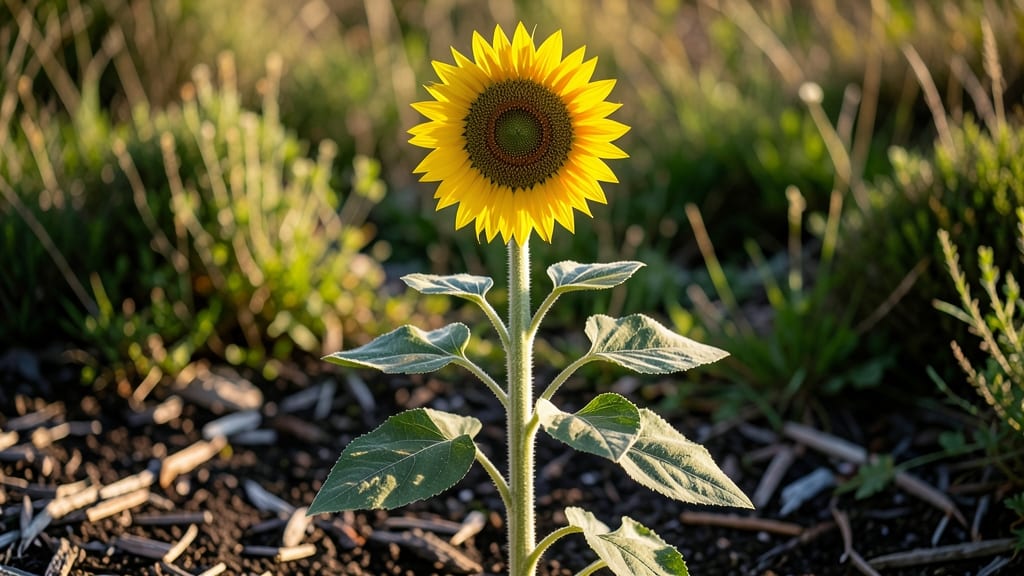
The sunflower season starts with a simple choice: plant in spring for towering blooms or miss the mark and end up with stunted stems.
Sunflowers aren’t just cheerful faces in summer fields—they’re a gardener’s trophy crop, reaching heights of 12 feet or more when planted at the perfect time. But knowing when to plant sunflowers for maximum growth can mean the difference between a bushy disappointment and a towering masterpiece.
In USDA Zone 6a, like much of the Midwest, the ideal window is April to May—after the last frost—when soil temperatures hit 55°F and days stretch long enough for rapid growth. Skip this timing, and you risk leggy stems or late-season blooms that never fully mature.
Below, I’ll break down the exact planting schedule by region, how to pick varieties for maximum height, and the pro tips that turn 3-foot seedlings into sunflowers taller than you are by harvest.

Best sunflower planting season by climate zone
Timing is everything when growing sunflowers—plant too early, and frost will nip your seedlings. Too late, and your towering giants might not reach their full 12-foot potential before winter. The perfect planting window depends on your USDA hardiness zone, with soil temperature and frost-free dates playing starring roles.
Let’s break down the ideal planting windows for each zone to help you grow sunflowers that rival skyscrapers.
Sunflowers thrive in warm soil (at least 55°F or 13°C) and need 80-100 frost-free days to mature. In cooler zones, start seeds indoors or use black plastic mulch to warm the soil faster.
Southern gardeners, meanwhile, can plant earlier or even year-round in tropical zones, but summer heat may stress seedlings without shade.
Here’s the comparison table for sunflower planting seasons by USDA zone, including frost-free dates, soil temperature requirements, and regional variations:
In Zones 3-4, where winters are harsh, I recommend planting sunflowers after Memorial Day (late May) to avoid late frosts. Use row covers if planting earlier, but be prepared to remove them if temperatures spike above 85°F (29°C).
For Zones 5-6, aim for mid-April to early May—this gives your sunflowers enough time to mature before the first frost in October.
Gardeners in Zones 7-8 have the luxury of planting sunflowers year-round, but I suggest focusing on early spring (March) or fall (September) to avoid the brutal summer heat. If you plant in summer, provide afternoon shade and increase watering to prevent wilting.
In Zones 9-10, fall planting (September-October) is ideal—it allows sunflowers to establish roots before winter rains and avoids the peak heat.
For Zone 11, where frost is nonexistent, I plant sunflowers in January-February for spring blooms or September-October for winter flowers. The key is maintaining consistent moisture and providing afternoon shade during the hottest months.
In all zones, soil temperature is critical—wait until the ground reaches at least 55°F (13°C) before planting.
Pro tip: If you’re in a transition zone (e.g., Zone 6b-7a), consider a second planting in July for late-summer blooms. Just be sure to use dwarf varieties like ‘Teddy Bear’ if you’re short on space—they’ll still thrive with 6-8 hours of sun and well-draining soil. 🌻
Regardless of your zone, always check your local frost dates and monitor soil warmth with a thermometer. Sunflowers are forgiving, but timing ensures you’ll grow towering, seed-filled giants instead of stunted shrubs. With the
How to choose sunflower varieties for maximum height
If you dream of sunflowers towering over your fence or even your house, selecting the right variety is your first step. Giant sunflowers like 'Mammoth' and 'Russian Giant' can reach 12-14 feet, while dwarf varieties like 'Teddy Bear' stay compact at 2-4 feet.
Your choice depends on space, purpose, and how much time you're willing to invest in care.
For maximum height, focus on standard and giant varieties—these are bred specifically for dramatic growth. However, they require more space, staking, and consistent care. Dwarf varieties, while shorter, offer quicker blooms and are perfect for containers or small gardens.
Let's break down the best options for your sun flower season goals.
| Variety | Height | Bloom Time | Care Needs |
|---|---|---|---|
| Mammoth | 10-14 ft | 90-120 days | High (staking, deep watering) |
| Russian Giant | 12-16 ft | 100-120 days | Very High (strong support, fertilizing) |
| American Giant | 10-12 ft | 80-100 days | High (consistent moisture, staking) |
| Teddy Bear | 2-4 ft | 60-70 days | Low (minimal care, great for containers) |
| Sunspot | 3-5 ft | 50-60 days | Moderate (drought-tolerant, easy to grow) |
'Russian Giant' sunflowers are the undisputed champions for height, often surpassing 14 feet under ideal conditions. They thrive in full sun and rich, well-drained soil, but their massive stems need staking or cages to prevent toppling. These varieties take longer to bloom—up to 120 days—so plan your sun flower season accordingly if you want summer blooms.
For a slightly shorter but still impressive option, 'American Giant' sunflowers reach 10-12 feet and bloom faster (80-100 days). They’re slightly easier to manage than Russian Giants but still require regular watering and support.
If your goal is height without the hassle, these are a great middle-ground choice.
Dwarf varieties like 'Teddy Bear' and 'Sunspot' are perfect if you’re short on space or want quick color. They bloom in 60-70 days and stay under 5 feet, making them ideal for containers, patios, or small gardens.
Their low care requirements mean you can enjoy sunflowers even with a busy schedule.
No matter which variety you choose, prioritize well-draining soil and full sun exposure for the best results. Giant varieties will reward you with jaw-dropping heights, while dwarfs offer convenience and charm. Happy planting! 🌻