
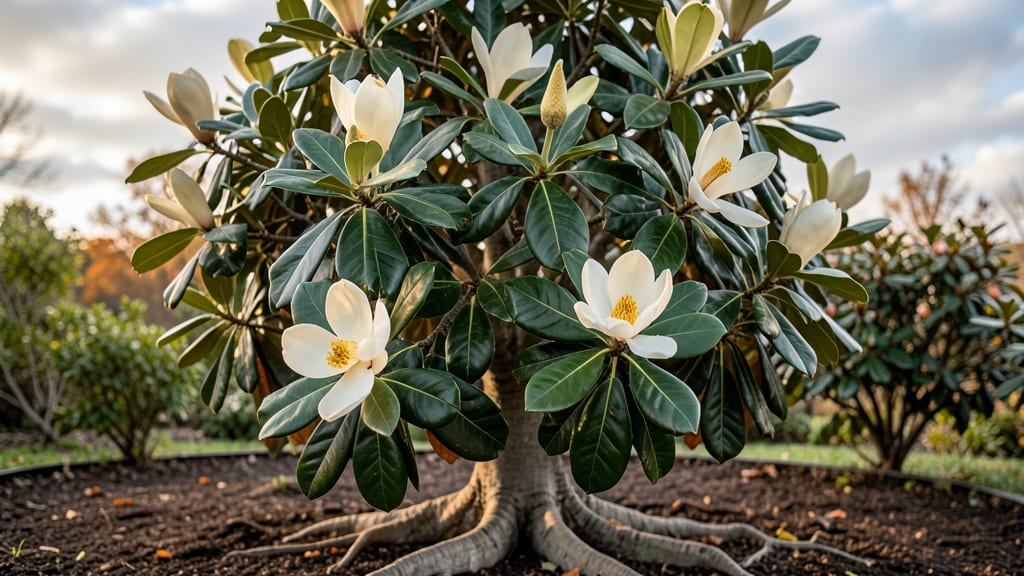
Southern Magnolia Flower Size: How Big They Grow by Variety & Care

Flowers

Southern Magnolia Flower Size: How Big They Grow by Variety & Care

The Southern Magnolia’s flower size can range from 6 to 12 inches wide—that’s dinner-plate blooms that steal the show in any landscape.

But not all varieties deliver the same spectacle: some, like 'Little Gem,' produce compact 4-inch blooms, while others, such as 'Dr. M. C. Michaux,' showcase massive 10-inch+ flowers that rival peonies in grandeur.

If you’ve ever wondered why your Southern Magnolia’s flowers seem smaller than expected, the answer might lie in its variety, age, or care routine.

These iconic 🌸 blooms don’t just add beauty—their size also hints at the tree’s health, pollination potential, and even how much pruning it can handle without stress.

Knowing what to expect helps you set realistic goals for your garden. A 6-inch bloom from a 'Teddy Bear' variety might look modest next to a 12-inch showstopper from a standard tree, but both bring their own charm—and care requirements.

Below, we’ll break down the differences by variety and share how sunlight, water, and pruning can influence those stunning (or stunted) blooms.

Whether you’re planning a shade garden or just admiring your mature tree, understanding flower size isn’t just about aesthetics—it’s the key to keeping your Southern Magnolia thriving for decades. Let’s dive into the details so you can grow the biggest, healthiest blooms your climate allows.

Dwarf
N/A (No common dwarf varieties)
Container friendly
Semi-Dwarf
N/A (No common semi-dwarf varieties)
Most popular
Standard
40-80 ft
Full orchard size

Southern Magnolia flower size by variety: exact measurements & visual comparison

The Southern magnolia (Magnolia grandiflora) is famous for its spectacular white blooms, but did you know flower sizes vary dramatically by variety? Some produce dinner-plate-sized flowers while others stay compact—this difference matters for pruning, spacing, and even pest management.

Understanding these exact measurements helps you choose the right variety for your landscape and set realistic expectations for care.

Flower size isn’t just about visual impact—it correlates with tree vigor and pollination efficiency. Larger blooms like those on the 'Dr. M. C. Michaux' variety require more energy to produce, while smaller varieties like 'Little Gem' thrive in tight spaces.

Below, we break down petal width, bloom diameter, and seasonal patterns for six popular varieties, plus how to use this data for better gardening decisions.

Key factors influencing flower size:

  • Genetics (variety-specific traits)
  • Sunlight exposure (full sun = larger blooms)
  • Soil fertility (balanced nutrients prevent stunted growth)
  • Water availability (drought stress reduces bloom size)
For example, 'Teddy Bear' magnolias produce 30% smaller flowers than standard types but compensate with earlier spring blooming.
Variety Avg. Bloom Diameter Petal Width Seasonal Bloom Time Mature Height Best For
'Little Gem' 6-8 inches 3-4 inches Late Spring 20-25 ft Small yards, urban landscapes
'Teddy Bear' 8-10 inches 4-5 inches Early Spring 25-30 ft Foundation plantings, mixed borders
'Dr. M. C. Michaux' 12-14 inches 6-7 inches Mid-Spring 60-80 ft Large estates, specimen planting
'Bracken's Brown Beauty' 10-12 inches 5-6 inches Late Spring 40-50 ft Shade trees, privacy screens
'Southern Beauty' 8-10 inches 4-5 inches Early Summer 30-40 ft Container growing, patios
'Dwarf Loropetalum' (for comparison) 4-6 inches 2-3 inches Spring-Fall 6-10 ft Bonsai, rock gardens
✅ Pro Tip: Measure your space before planting—'Little Gem' needs 15-20 ft of clearance, while <

How Southern Magnolia flower size affects tree health & care requirements

The Southern magnolia (Magnolia grandiflora) produces flowers that vary dramatically in size—from 6-inch blooms in compact varieties to 12-inch dinner-plate flowers in standard types. These differences aren’t just about showiness; they directly influence your tree’s nutritional needs, pruning strategy, and even its disease resistance.

Larger flowers, like those on the 'Dr. M. C. Michaux' variety, require more energy to produce, which can stress the tree if not properly supported.

Smaller-flowered varieties, such as 'Little Gem' or 'Teddy Bear', are often more resilient because their reduced flower load means less strain on the tree’s resources.

This size difference also affects how the tree allocates water and nutrients—larger blooms demand more frequent deep watering and balanced fertilization to prevent nutrient deficiencies that can lead to smaller, weaker flowers over time.

🌸 Key Takeaways: Flower Size & Care

Large Flowers
10-12" diameter
  • ✂️ Prune lightly in late winter
  • 💧 Water deeply 2x/week in summer
  • 🌡️ Sun needs: Full sun (6+ hours)
Small Flowers
6-8" diameter
  • ✂️ Prune every 2-3 years
  • 💧 Water bi-weekly (mature trees)
  • 🌡️ Sun tolerates partial shade
All Varieties
Care Tips
  • 🌿 Fertilize in early spring (5-10-10)
  • 🪴 Avoid over-pruning (reduces blooms)
  • 🛡️ Monitor for scale insects (common on large flowers)

Larger flowers also mean more pollinator activity, which can attract beneficial insects but also pests like aphids or scale. Trees with bigger blooms, such as 'Bracken's Brown Beauty', often need regular inspections for early signs of infestation.

Meanwhile, smaller-flowered varieties tend to have fewer pest issues because their reduced flower clusters provide less shelter for insects.

Your pruning approach should shift based on flower size. Trees with large blooms benefit from selective pruning to remove only dead or crossing branches, as aggressive cuts can reduce next year’s flower production.

In contrast, smaller-flowered varieties can handle slightly more aggressive pruning without sacrificing blooms, making them ideal for tight spaces or urban landscapes.

Adjust your fertilization schedule based on flower load too. Trees with large flowers may need a light spring feeding (5-10-10 ratio) to support their energy demands, while smaller-flowered trees often thrive with minimal fertilization.

Over-fertilizing can lead to excessive foliage growth at the expense of flower size, so always follow a balanced approach.

Finally, sunlight exposure plays a critical role. Larger-flowered varieties often require full sun (6+ hours daily) to reach their full potential, while smaller varieties can tolerate partial shade, especially in hot climates.

If you notice your magnolia’s flowers shrinking, reassess its light conditions—insufficient sunlight is a common culprit for reduced bloom size.

★★★★★4.6(6 reviews)
Categories Flowers