
Flowers
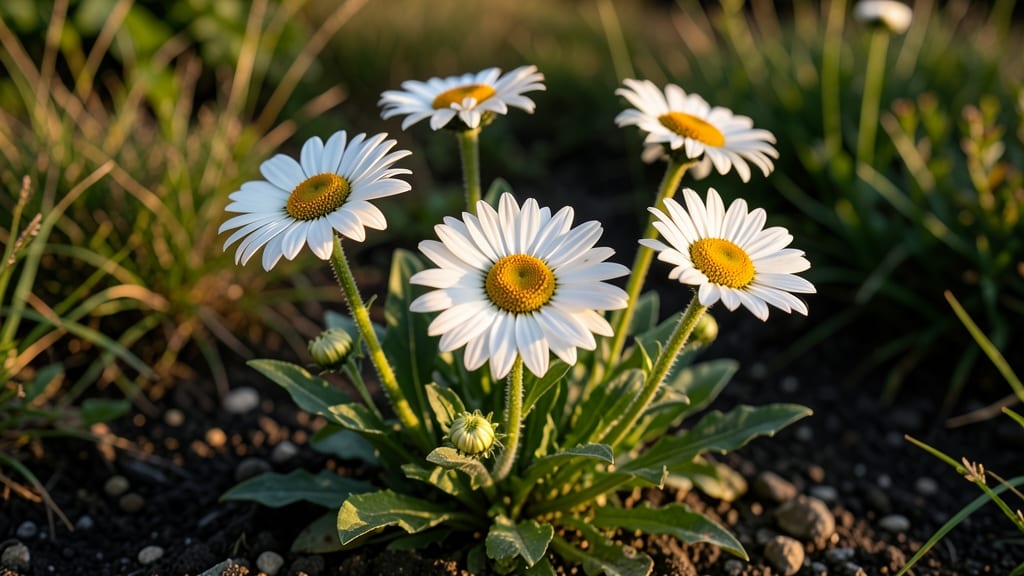
Daisy flower seasons vary by type and hardiness zone, but most varieties burst into bloom from late spring through summer 🌼 — with the right care, you can stretch those cheerful faces well into fall.
Picture this: you’ve just planted your daisies, only to realize they’re not blooming when you expected. Maybe you’re in Zone 6a, where timing is everything, or you’re wondering why your annuals faded too soon.
The secret? Aligning your planting with each daisy’s natural rhythm—and knowing a few simple tricks to keep them flowering longer.
From Shasta daisies that thrive in cooler climates to Gerbera daisies that love the heat, understanding your zone’s frost dates and sunlight patterns is the key to longer, more vibrant blooms.
Whether you’re a beginner or a seasoned gardener, this guide breaks down the best months to plant, how to extend the season, and which varieties perform best in your area.
You’ll learn how to deadhead for continuous flowers, adjust watering for your climate, and even pick the hardiest varieties for year-round color. Let’s get those daisies blooming on schedule—and keeping you smiling all season long.
Daisy bloom seasons by USDA hardiness Zones: month-by-month guide
Timing your daisy planting by USDA hardiness zone ensures you catch their brightest blooms at the perfect moment. Whether you’re growing Shasta daisies in Zone 5 or Gerbera daisies in Zone 10, understanding seasonal cues prevents missed opportunities. Let’s break down when each variety shines across the country’s diverse climates.
Daisies thrive in full sun (6+ hours daily) but have distinct frost sensitivity thresholds. Northern gardeners in Zones 3-6 must plant early to avoid late-spring frosts, while Southern gardeners in Zones 8-11 can extend seasons with fall planting.
Regional variations mean a June peak in the Midwest might align with April blooms in California.
Key takeaway: Perennial daisies (like Shasta) return yearly, while annuals (like Gerbera) offer one-season splashes of color. Your zone dictates when to plant, deadhead, and fertilize for maximum impact. Let’s dive into the month-by-month blooming calendar tailored to your location.
| Variety | Zones | Early Bloom | Peak Bloom | Late Bloom | Frost Note |
|---|---|---|---|---|---|
| Shasta Daisy | 3-9 | May | June-August | September | Hardy to -30°F |
| Oxeye Daisy | 4-10 | June | July-September | October | Tolerates light frost |
| Gerbera Daisy | 8-11 | March | April-June | July | Frost-sensitive |
| Nippy Daisy | 3-9 | April | May-July | August | Cold-hardy |
| African Daisy | 9-11 | February | March-May | June | Heat-loving |
In Zones 3-6, Shasta and Nippy daisies kick off blooming in late May after frost danger passes. Their peak season stretches through summer, with September offering late-season color. These hardy perennials reward patience—plant in early spring for roots to establish before heat arrives.
Southern gardeners in Zones 7-11 enjoy extended seasons. Gerbera and African daisies bloom as early as February, while Oxeye daisies thrive through fall rains. In Zone 10, some varieties flower year-round with minimal care. Deadheading spent blooms keeps them producing until November.
Northern climates (Zones 3-5) face shorter bloom windows but can extend seasons by planting in containers and moving them indoors before frost. Oxeye daisies self-seed prolifically, ensuring next-year blooms without replanting. For Zone 6, aim for late May
How to extend daisy flowering season: prolonging blooms with simple gardening hacks
Daisies are the unsung heroes of summer gardens, but their blooms don’t have to fade with the first frost. With a few simple gardening hacks, you can stretch their flowering season by weeks—or even months.
Whether you’re growing perennial daisies like Shasta or annual varieties like Gerbera, these tricks will keep your garden bright and cheerful longer.
First, understand that perennial daisies naturally rebloom, while annuals need extra care to extend their show. The key lies in deadheading, soil health, and smart watering. Let’s dive into the easiest ways to give your daisies a second—or third—wind this season.
🌼 5 Easy Hacks to Extend Daisy Blooms
- Deadhead daily: Snip spent blooms below the next set of leaves to redirect energy to new flowers. Perennials like Shasta daisies will reward you with continuous blooms all season.
- Feed the soil: Add compost or aged manure in early spring and mid-summer to boost nutrient retention. Daisies thrive in well-draining, slightly alkaline soil (pH 6.0-7.0).
- Water wisely: Deep watering 2-3 times per week (early morning) encourages root growth. Avoid overhead watering to prevent fungal diseases like powdery mildew.
- Plant companions: Surround daisies with marigolds or basil to deter pests like aphids and slugs. These companions also improve pollinator activity, leading to more blooms.
- Prune strategically: In early spring, trim back dead or woody stems to stimulate new growth. For annual daisies, pinch back tips to encourage bushier, longer-lasting blooms.
For annual daisies, like Gerbera or African daisies, focus on deadheading and pruning to delay their natural decline. These varieties often bloom for 8-12 weeks with proper care, but with these tricks, you can push them to 16 weeks or more.
Start by removing faded blooms immediately—this signals the plant to produce more flowers instead of seeds.
Another game-changer? Mulching. Apply a 2-3 inch layer of mulch around the base of your daisies to retain moisture and regulate soil temperature. Organic mulches, like straw or shredded leaves, also break down slowly, adding nutrients to the soil over time.
This is especially helpful in hot climates where daisies can bolt prematurely.
Don’t overlook the power of companion planting. Pairing daisies with herbs like thyme or lavender not only deters pests but also attracts beneficial insects like ladybugs and lacewings.
These tiny allies will keep aphids and spider mites at bay, allowing your daisies to focus on producing more blooms instead of fighting off damage.
With these simple yet effective hacks, your daisies will stay in full bloom well into fall—or even winter in milder climates. The secret? A little consistent care and a lot of attention to detail.
Your garden will thank you with weeks of cheerful, sunlit blooms that brighten up every day. 🌼